No Snow Event has come close in the past 100-plus years
February 5
A Tuesday Newsday Classic Updated
It really should not come as a surprise when snow arrives in the Puget Sound region the first week of February. It could be worse, however, if one looks back in time. The year was 1916 and on February 5th of that year, the Puget Sound region was still reeling from a heavy snowfall which began late on January 31st. It was a 24 hour period from February 1st to 2nd, however, which produced a whopping 21 and half inches of the white stuff. That record snowfall still stands.

Union Street in Seattle as viewed from 9th Avenue, February 1916. Photo from University of Washington Libraries, Special Collections (link below)
The Infallible Wikipedia gives us but a brief glimpse of that event:
“From January 31 to February 2, 1916, another heavy snow event occurred with 29 in (74 cm) of snow on the ground by the time the event was over.”
However, it does link to a more comprehensive article from HistoryLink.org which, I’ve found over the years, provides excellent coverage of Seattle history minutiae. From the article:
“When the big snow of 1916 began to fall on a cold Monday on January 31, 1916, there may have been more cameras than shovels in the hands of amateurs. The flurry of snapshots of our second greatest snowstorm illustrate snow-stopped streetcars, closed schools, closed libraries, closed theaters, closed bridges, a clogged waterfront, collapsed roofs, and — most sensationally — the great dome of St. James Cathedral, which landed in a heap in the nave and choir of the sanctuary. (There were no injuries to persons.)
The unusually cold January already had 23 inches of snow on the ground when, on the last day of the month, it began to fall relentlessly. Between 5 p.m. on Tuesday, February 1 and 5 p.m. on Wednesday, February 2, 21.5 inches accumulated in the Central Business District at the Weather Bureau in the Hoge Building. This remains (in 2002) a record — our largest 24-hour pile.

James street as viewed down 9th Avenue. Smith Tower – then the tallest building in Seattle – is on the left. February 1916. Photo from the University of Washington Libraries, Special Collections (link below)
The 1916 snow was a wet snow, and it came to a foul end — a mayhem of mud that mutilated bridges and carried away homes.”
In the category of how quickly we forget, it was in 2017 that the record for snowfall on any February 5th was set when two inches was recorded at Sea-Tac airport. An additional 5.1 inches fell on February 6th for a total of 7.1 inches on these two dates. Then in 2019 and again in 2021, the Puget Sound was hit with two fairly large snow events in February.
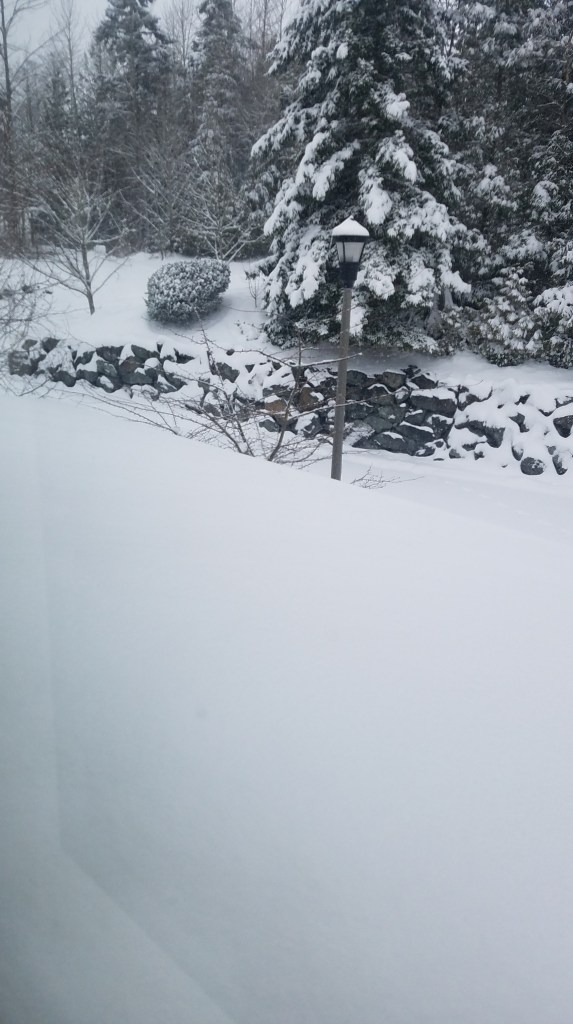
What I wrote on the morning of February 4, 2019: “Since the hubby and I moved north from the greater Seattle area in 2018, I cannot accurately compare the amount of snow from our old house to the one here in Mount Vernon. As of this morning we have between 3 and 4 inches and it is still snowing. The view from my office window – with a little wind in play – gives the appearance of being in a powdery snow globe.”
I cannot complain about Puget Sound snow, however. This region has some of the mildest weather in the world and I think of the white stuff as a wondrous treat to be enjoyed. Ensconced in my warm house with a morning cup of coffee – or later in the day with a mug of hot buttered rum – the beautiful coat of white is a magical event.
Too soon the temperatures will rise, the snow will melt, and we will be back to the brown and green scenery which characterizes a Puget Sound winter. One thing I do know is that within a few short weeks, the plum and cherry tree blossoms will erupt in shades of violet and pink and carpets of purple, yellow and white crocus will spread across the landscape. All we will recall from winter will be a few short days in February when the landscape was transformed into a winter wonderland.
On February 4, 2019, this was the view out my office window. Four days later the Puget Sound region was slammed with over 6 inches more.
Interesting perspective on the February 5/6 2017 event:
http://www.seattleweatherblog.com/snow/biggest-february-snowstorm-generation-wallops-seattle/
An article which highlights the biggest Puget Sound snowstorms:
http://www.historylink.org/File/3681
Some great historic photos of the February 1916 snowstorm:
http://archiveswest.orbiscascade.org/ark:/80444/xv07321


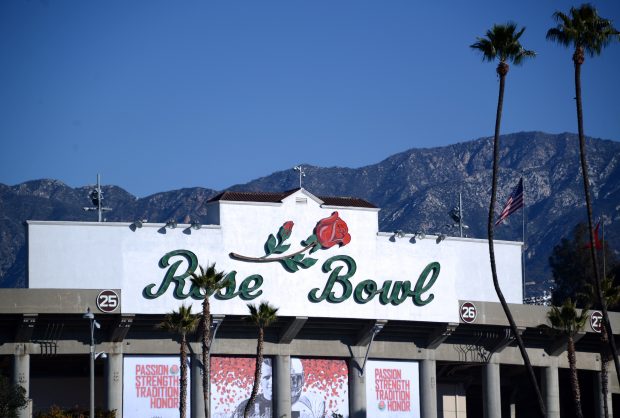 Nicknamed “The Granddaddy of them All” – the annual football contest known as “The Rose Bowl” debuted on this date in 1902.
 For those of us who prefer tradition, today’s matchup of #9 Washington and #6 Ohio State is everything the Rose Bowl is supposed to be. It will be Ohio State’s 15th appearance and Washington’s 16th visit. But the two teams have never met in the Rose Bowl.
 No Rose Bowl Roses were purchased by us that day. But we definitely needed the extra warmth and fortitude provided by the flask she smuggled into the stadium. We were seated in the visitors horseshoe at the far west end of the stadium. The buttressing of our spirits from the extra spirits was required as the Huskies hammered the Cougs 35-15 and USC dispatched the Bruins the next weekend. Washington flew to Southern California and, on January second (the Rose Bowl is played on the second if the first falls on a Sunday), upset heavily favored Michigan 27-20.
 kids most of the time. Hah! My daughter had become obsessed with the Disney animated movie Sleeping Beauty. So most every afternoon I ended up hanging out in the unit while she watched Sleeping Beauty. Unless, of course, she was across the breezeway playing Barbie’s with the cousins. Except on New Year’s Day when Sleeping Beauty was relegated to the back burner and all the guys – Dad, brothers, husband and brother in law – descended upon our unit to watch the #8 WSU Cougs take on #1 Michigan.
 Today’s historical event really isn’t that much of an event but more an excuse to write about a topic which amuses this author. First of all happy 30th wedding anniversary to Kevin Bacon and Kyra Sedgwick. They were married September 4, 1988. Unlike a great number of Hollywood marriages, their marriage has lasted three decades and, apparently, they’ve only ever been married to each other!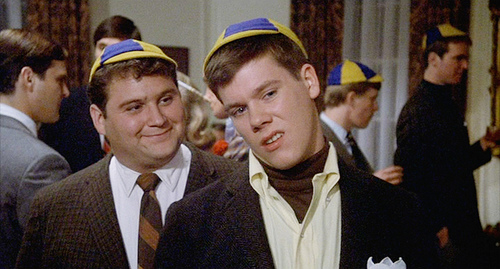
 To find any actor’s ‘Bacon Number’ you can go to this link:


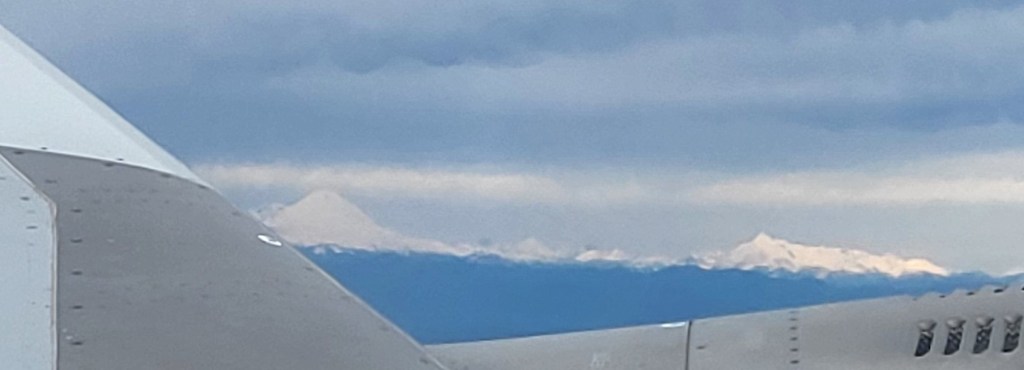
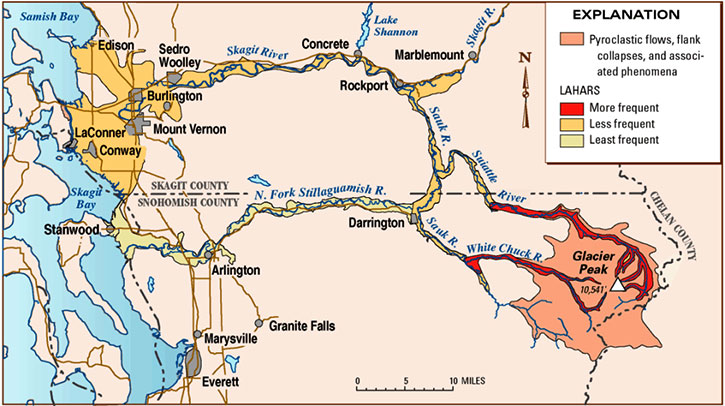

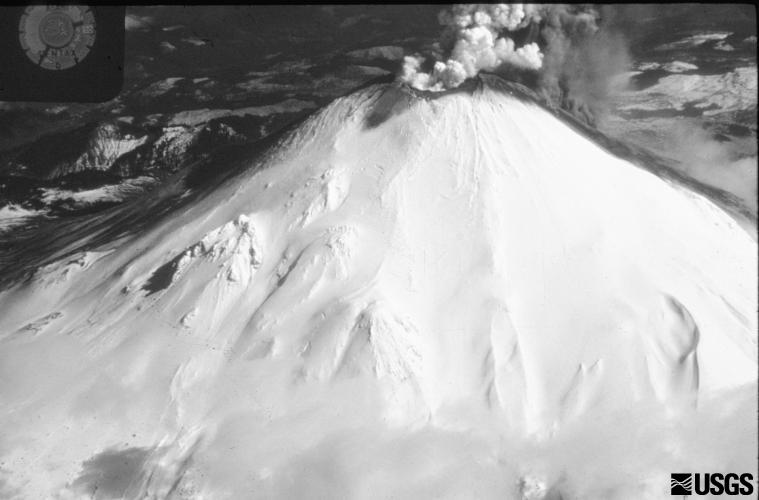 It was on March 27, 1980, that the first plumes of steam escaped from Mt. St. Helen’s. Just over seven weeks later, the mountain experienced a 5.1 earthquake which caused the north side of the volcano to slide away and triggered the largest debris avalanche in recorded US history.
 It was not until the April 23rd issue when I reported the first dusting of ash in Eatonville. Less than a month later the mountain blew.
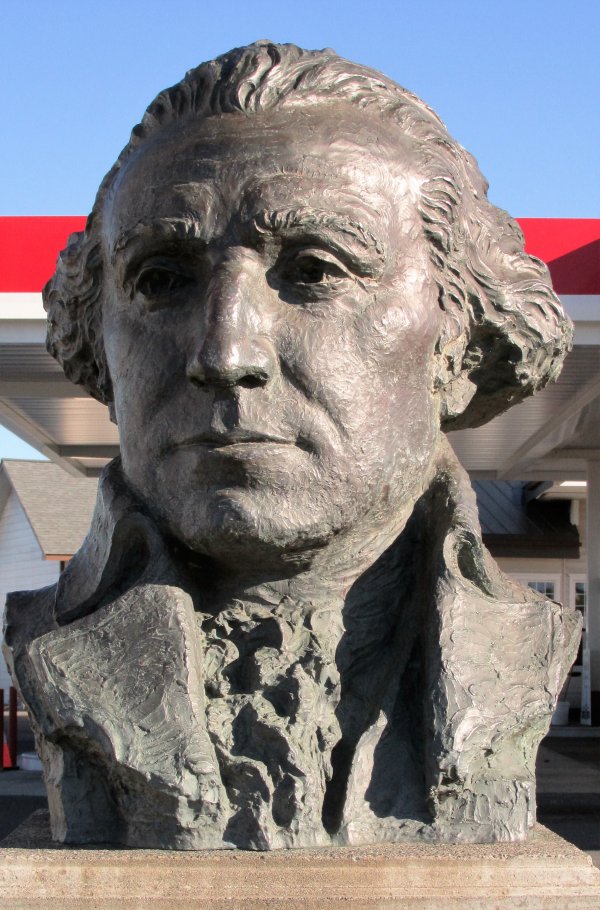 It’s been the source of much confusion and for those of us from the ‘state’, a source of consternation. When, on December 12, 1800, Congress created the ‘District of Columbia’ I doubt they knew how it would all play out.
 Ironically, had they named our state Columbia there would not be any confusion today over which ‘Columbia’ is being discussed since the entire world pretty much calls the nation’s capital ‘Washington.’
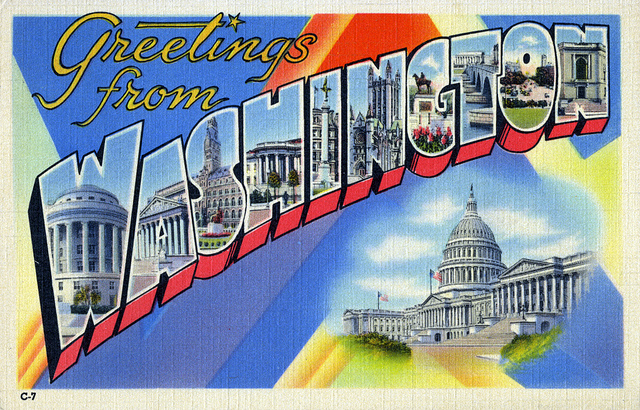 Talk about muddying the waters. To learn more about this whole mess be sure to check out these links:
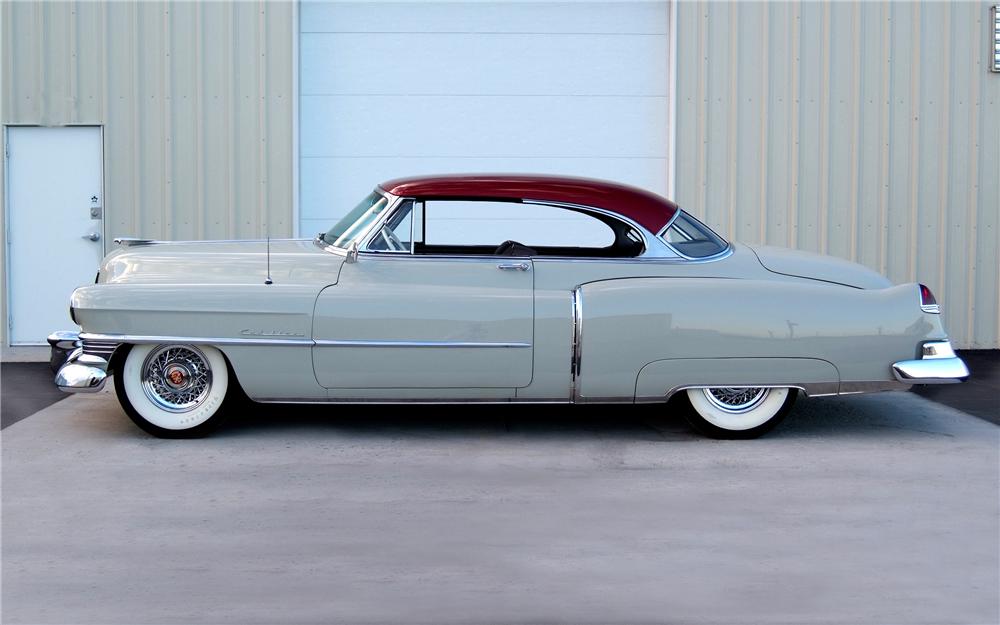 Speaking of which, there were several drive-in movie theaters in my hometown of Yakima, Washington. One evening my sister and I and two of our friends decided to go to the Fruitvale Drive-in (sadly, no longer there). The car my sister drove was a 1950 yellow Cadillac with a red roof; a hand me down from our grandparents. This tank of a car had all the whistles and bells popular in 1950 including a gauge which told you how good your driving was. Ok, not really, it had to do with gas mileage, but as children our grandfather told us it was evaluating his driving with an arrow that point to words like ‘poor’, ‘fair’, ‘good’ and ‘excellent.’ But, most important of all, it featured a movable spotlight affixed to the car just outside the driver’s side window. There was a handle inside the car to control the light.
