… Mount Vernon Style
January 15, 2019
Although this particular population group is less than one percent of the species, the spectacle they create each winter in the Skagit Valley is breathtaking.
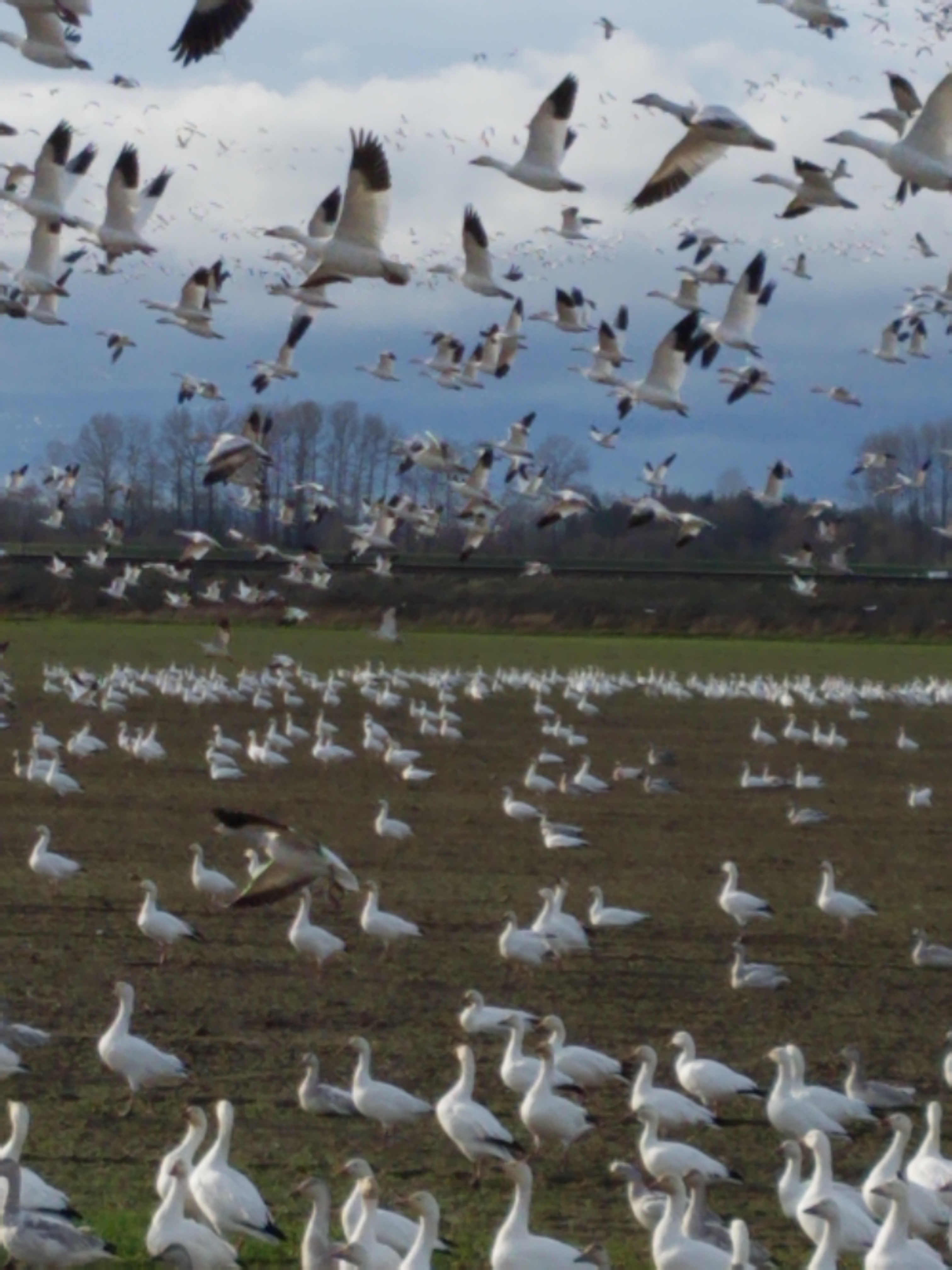
The geese depart in mass ascension, wings flapping and outstretched.
The Snow Goose, scientific name Anser caerulescens, is a bird which breeds in the Arctic during summer but migrates south each winter. In the state of Washington flocks of the birds can be found in Snohomish, Island, Skagit, and Whatcom counties as well as on the Oregon border in Clark County.
I went scrambling to find out more information about the Snow Goose after witnessing them last week near Mount Vernon. First the facts about the birds from the Infallible Wikipedia:
“The snow goose has two color plumage morphs, white (snow) or gray/blue (blue), thus the common description as ‘snows’ and ‘blues’. White-morph birds are white except for black wing tips, but blue-morph geese have bluish-grey plumage replacing the white except on the head, neck and tail tip. The immature blue phase is drab or slate-gray with little to no white on the head, neck, or belly. Both snow and blue phases have rose-red feet and legs, and pink bills with black tomia (‘cutting edges’), giving them a black ‘grin patch’. The colors are not as bright on the feet, legs, and bill of immature birds. The head can be stained rusty-brown from minerals in the soil where they feed. They are very vocal and can often be heard from more than a mile away.”
The Infallible Wikipedia also informed me that there are approximately 5 MILLION birds of breeding age which migrate from the Arctic to some 15 distinct areas of the United States each winter.
In the Skagit Valley, according to the Audubon Society, there are upwards of 55,000 snow geese which spend the winter feeding on the decaying plants and roots left in the fertile fields. Additionally, approximately 8,000 Trumpeter and 2,000 Tundra Swans are also found near Mount Vernon.
The hubby and I ventured out last Thursday to see if we could find one of the flocks of the snow geese. In less than 10 miles from our home, we encountered a large group gathered just west of I-5 near Conway. First, a word of caution, DO NOT under any circumstance stop along the Interstate to view the birds, as tempting as it may be. We were along a secondary road but saw a Washington State Patrolman stop to give a freeway bird gawker a bit of friendly advice.
We parked our car but even before we opened one of the doors we heard them: squawking and honking in their unique language. The noise overwhelms and defines the experience. I had no idea how mesmerizing it would be to watch the birds. From a distance, the geese seemed stationary. As we observed from up close, however, the flock seemed to be marching north, as they pecked at bits of leftover plant materials in the fallow ground. Then, as if by command, they turned and marched south, the strong wind ruffling their feathers and making it difficult to walk.
When, a short distance to the west, a train rumbled by and it’s loud horn sounded, the collective was disturbed and suddenly hundreds of birds fluttered into the air, ascending in a group and spiraling up and off to the west. It was, my hubby claimed as he compared it to the famous Albuquerque Balloon Festival, “Mass Ascension, Mount Vernon style.” The first group was followed by another which was followed by third and yet a fourth after that. Soon, only a small portion of the birds remained. And still we watched.
“Look, over there,” my hubby said some ten minutes later and pointed to the southwest.
Sure enough a dark blotch in the sky grew bigger and then we could make out hundreds of individuals all headed our way. Their arrival was quieter than their departure. Each bird, as it landed among the others, seemed like a graceful ballerina, wings spread to form an umbrella on either side, feet and legs outstretched, as each animal floated to earth.

Like airborne ballerinas they stretch their wings wide to land.
The geese descended in flocks numbering in the hundreds. Wave after wave of the snow geese landed among the group already on the ground with each bird somehow finding a bare plot which they could occupy only to resume their marching up and down the fields.
It was with great reluctance that we departed that afternoon. But the experience only whetted my appetite for more. I have my sights set on next visiting the main area where the Tundra and Trumpeter swans gather at a spot called DeBay Slough just to the northeast of Mount Vernon. After that it may be in search of Eagles whose presence is felt among the geese as the former cull the flocks of the sick and weak. Up the North Cascades Highway (SR 20) at Rockport is the Bald Eagle Interpretive Center, open on weekends for people to learn and to view.
After the Snow Goose encounter I came away with one very clear thought. I now live in a magical place. From the tulip fields in the spring, to the ever changing and interesting Skagit River, to the thousands of birds in the winter, there is no shortage of things to see and do here in Mount Vernon.
I was unable to get my own video’s uploaded but found this one on the internet and, as far as I can tell, this is the same spot where we watched the birds last Thursday.
A bunch of links for those who want to visit and see the birds:
https://en.wikipedia.org/wiki/Snow_goose
https://wdfw.wa.gov/lands/wildlife_areas/skagit/
http://www.seattleaudubon.org/Birdweb/bird/tundra_swan?tab=3
Viewing Sites
Update January 17, 2023 – The snow geese continue to capture my imagination. Shortly after they started arriving this past November myself, along with a couple of friends, ventured out past Conway on Maupin Road and came across a huge flock. The best part was that they were so close that you felt as if you could touch them. At one point, however, we experienced the ‘down’ side of geese watching… when a huge flying formation approached from the north and flew south over the top of the car. The next thing we knew we were under attack as they strafed my car with their bombs! It took some dedication later to clean off the residue of their bombs.
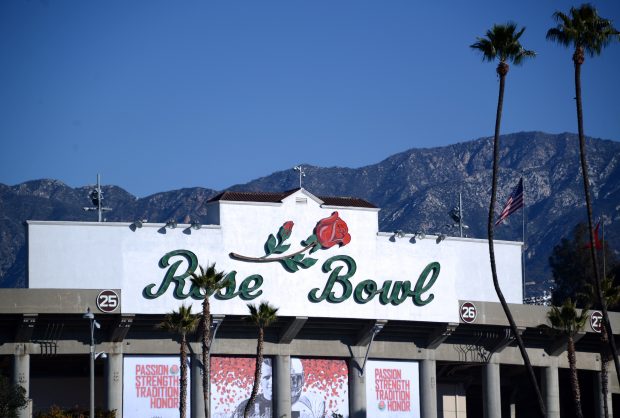 Nicknamed “The Granddaddy of them All” – the annual football contest known as “The Rose Bowl” debuted on this date in 1902.
 For those of us who prefer tradition, today’s matchup of #9 Washington and #6 Ohio State is everything the Rose Bowl is supposed to be. It will be Ohio State’s 15th appearance and Washington’s 16th visit. But the two teams have never met in the Rose Bowl.
 No Rose Bowl Roses were purchased by us that day. But we definitely needed the extra warmth and fortitude provided by the flask she smuggled into the stadium. We were seated in the visitors horseshoe at the far west end of the stadium. The buttressing of our spirits from the extra spirits was required as the Huskies hammered the Cougs 35-15 and USC dispatched the Bruins the next weekend. Washington flew to Southern California and, on January second (the Rose Bowl is played on the second if the first falls on a Sunday), upset heavily favored Michigan 27-20.
 kids most of the time. Hah! My daughter had become obsessed with the Disney animated movie Sleeping Beauty. So most every afternoon I ended up hanging out in the unit while she watched Sleeping Beauty. Unless, of course, she was across the breezeway playing Barbie’s with the cousins. Except on New Year’s Day when Sleeping Beauty was relegated to the back burner and all the guys – Dad, brothers, husband and brother in law – descended upon our unit to watch the #8 WSU Cougs take on #1 Michigan.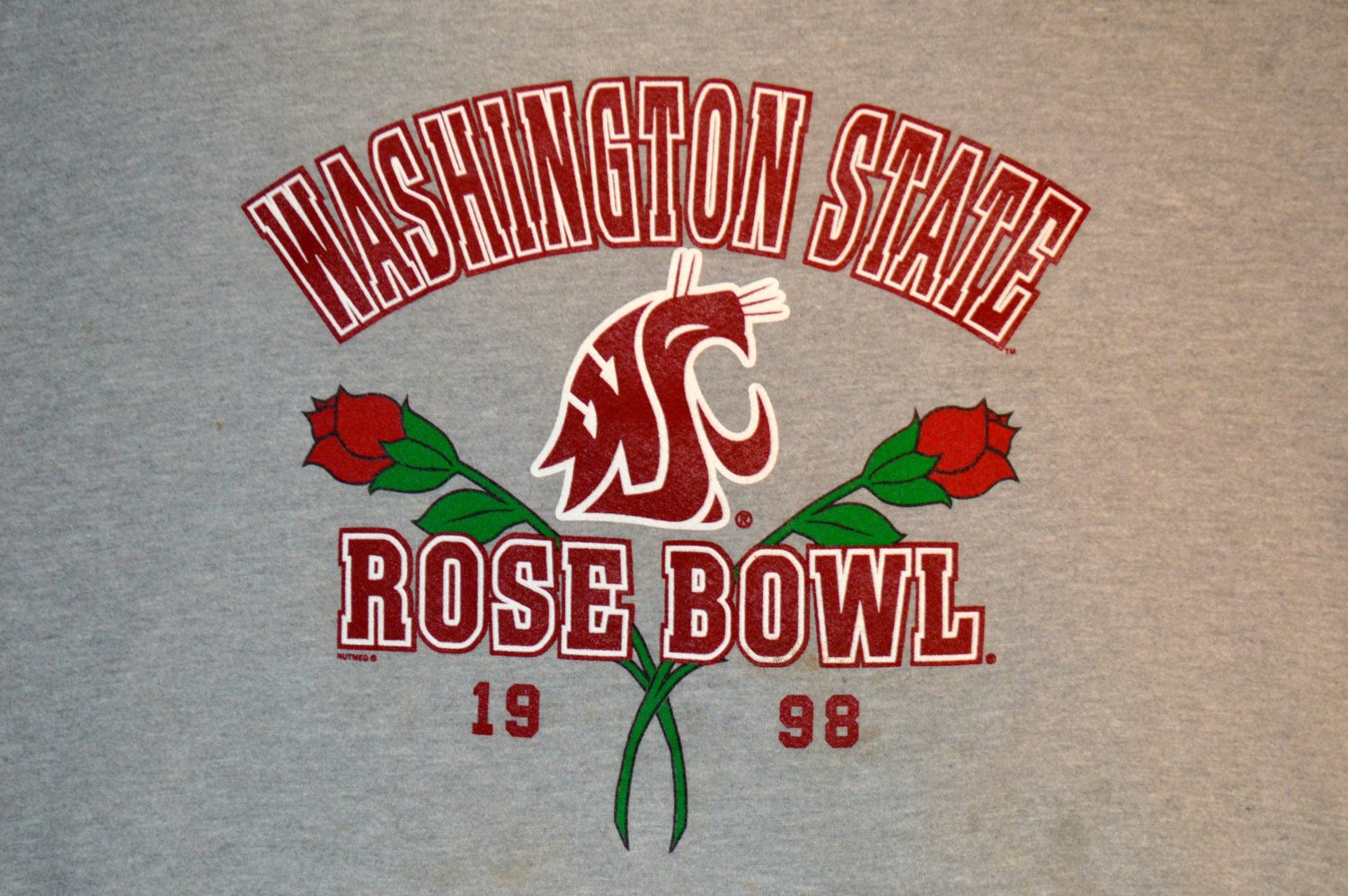
 Today’s historical event really isn’t that much of an event but more an excuse to write about a topic which amuses this author. First of all happy 30th wedding anniversary to Kevin Bacon and Kyra Sedgwick. They were married September 4, 1988. Unlike a great number of Hollywood marriages, their marriage has lasted three decades and, apparently, they’ve only ever been married to each other!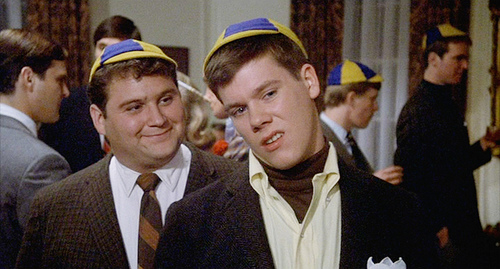
 To find any actor’s ‘Bacon Number’ you can go to this link:


 Indeed it is. At 10,541 feet it is the fourth tallest peak in the state and is located a scant 50 miles southeast from where I now live and only 70 miles northeast of Seattle.
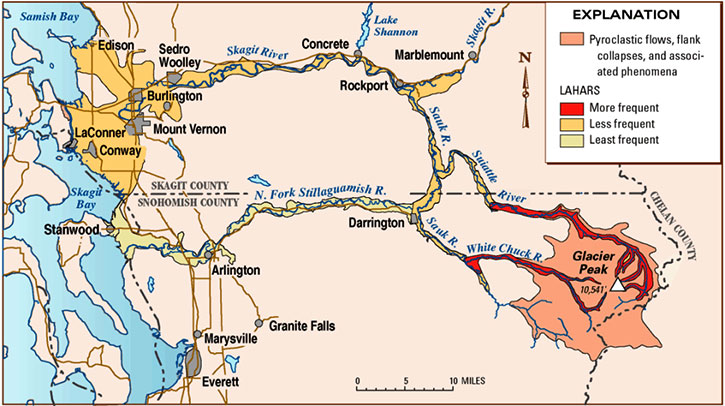 Armed with this revelation about Washington’s mostly unknown volcano, my hubby will attest to the fact that I’ve become obsessed. In my weekly or more drives up and down Interstate 5 I have found myself, on clear days, scanning the mountains to the east. Which one is Glacier Peak? And, more importantly, how is it I never knew which one it was and that it’s a volcano?
 As always, links to a couple of Infallible Wikipedia articles, USGS, and – for those of you under the age of 50 – Rodney Dangerfield. Gotta have those cultural references.
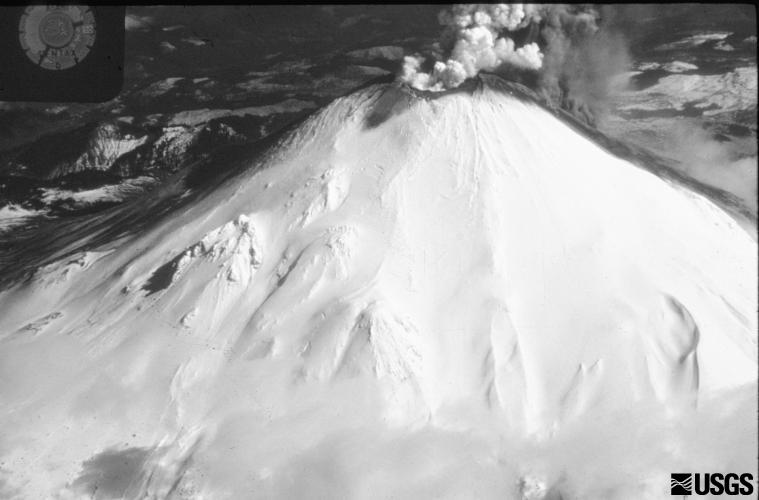 It was on March 27, 1980, that the first plumes of steam escaped from Mt. St. Helen’s. Just over seven weeks later, the mountain experienced a 5.1 earthquake which caused the north side of the volcano to slide away and triggered the largest debris avalanche in recorded US history.
 It was not until the April 23rd issue when I reported the first dusting of ash in Eatonville. Less than a month later the mountain blew.
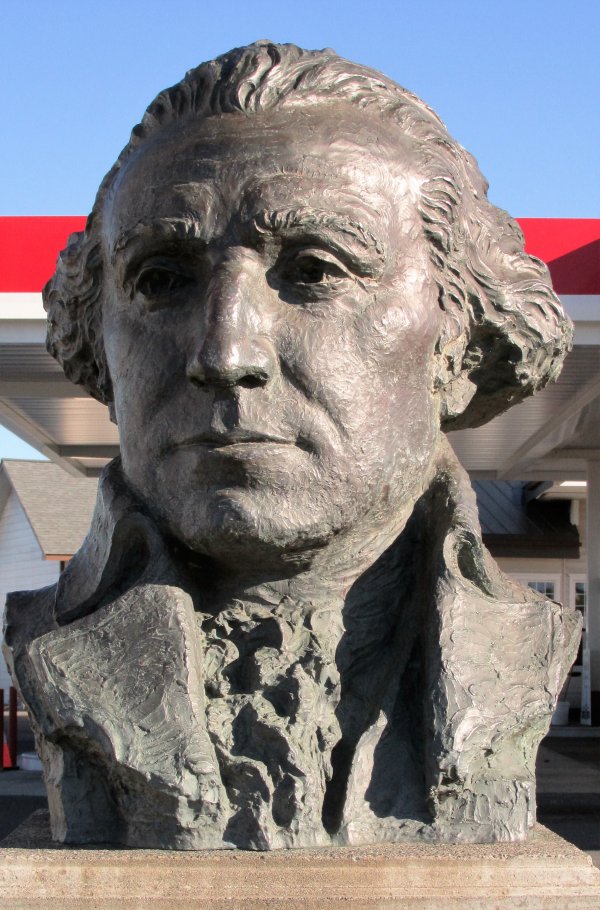 It’s been the source of much confusion and for those of us from the ‘state’, a source of consternation. When, on December 12, 1800, Congress created the ‘District of Columbia’ I doubt they knew how it would all play out.
 Ironically, had they named our state Columbia there would not be any confusion today over which ‘Columbia’ is being discussed since the entire world pretty much calls the nation’s capital ‘Washington.’
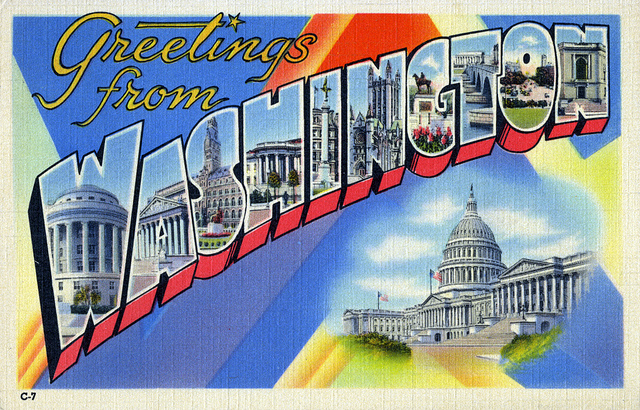 Talk about muddying the waters. To learn more about this whole mess be sure to check out these links:
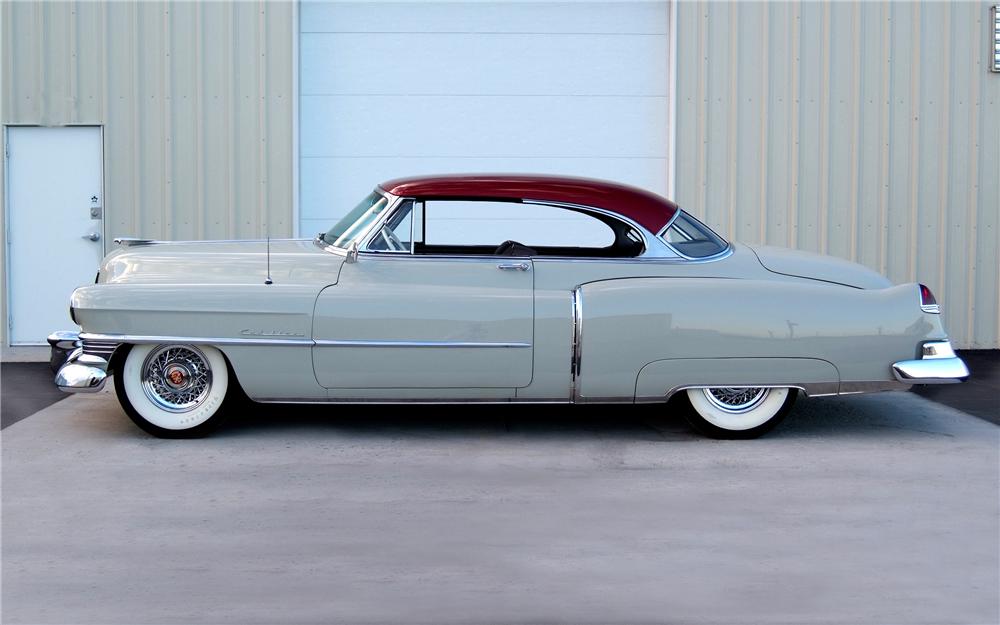 Speaking of which, there were several drive-in movie theaters in my hometown of Yakima, Washington. One evening my sister and I and two of our friends decided to go to the Fruitvale Drive-in (sadly, no longer there). The car my sister drove was a 1950 yellow Cadillac with a red roof; a hand me down from our grandparents. This tank of a car had all the whistles and bells popular in 1950 including a gauge which told you how good your driving was. Ok, not really, it had to do with gas mileage, but as children our grandfather told us it was evaluating his driving with an arrow that point to words like ‘poor’, ‘fair’, ‘good’ and ‘excellent.’ But, most important of all, it featured a movable spotlight affixed to the car just outside the driver’s side window. There was a handle inside the car to control the light.
 barbaradevore.com