Yosemite National Park
October 1, 2019

October 1, 1890 marked the official inclusion of this region into the newly formed National Park System. Long before that, however, the Yosemite Valley had inspired the natives who resided in the area as well as the early white settlers.
It was, contrary to popular belief, James Mason Hutchings and artist Thomas Ayres who were the first Americans to tour the area in 1855.
From the Infallible Wikipedia:
“Hutchings and Ayres were responsible for much of the earliest publicity about Yosemite, writing articles and special magazine issues about the Valley. Ayres’ style in art was highly detailed with exaggerated angularity. His works and written accounts were distributed nationally, and an art exhibition of his drawings was held in New York City. Hutchings’ publicity efforts between 1855 and 1860 led to an increase in tourism to Yosemite.”
Although the greater Yosemite area had been set aside by Congress in 1864, the Valley and Mariposa Grove were ceded to California to manage as a state park. The two areas had seen an influx of homesteaders and were being rapidly commercialized as well as being used for the grazing of sheep and cattle; the old growth sequoias were being logged.
Most people associate the founding of Yosemite with early environmentalist John Muir. Rightly, he is credited with not only pushing for park expansion but also lobbied for the federal government to take back the iconic valley and grove.
Also from the Infallible Wikipedia:
“It was because of Muir that many National Parks were left untouched, such as Yosemite Vally National Park. One of the most significant camping trips Muir took was in 1903 with then president Theodore Roosevelt. This trip persuaded Roosevelt to return ‘Yosemite Valley and Mariposa Grove to federal protection as part of Yosemite National Park.'”
The years long efforts paid off when, in 1906, Roosevelt signed a bill which stripped the two areas still managed by California from the state and they were returned to the federal government which finally created a unified Yosemite National Park.

One trip to Yosemite is all it takes for a person to understand the granduer and how special a place it is. From towering El Capitan, to the massive Half Dome, or the fascinating Tuolome Meadows, Yosemite is a visual feast.
And the hubby and I wondered, when we visited in September 2015, how come it had taken us so long to get there. We arrived on the day after Labor Day which was a good thing as the summer crowds were gone. Reservations are generally required months – if not a year – in advance for the various hotels. I figured we were out of luck but checked anyway as we drove south a few days before our planned stay. What a surprise! There were rooms available at the Wawona Hotel or space in ‘dry’ tents. We opted for the hotel.
It was only after we arrived at the park that it dawned on me that the Wawona Hotel was nowhere near the Yosemite Valley. That day had turned into a driving ordeal. My hubby suffers from vertigo. Being close to any ledge can trigger a sensation of spinning as well as nausea. Knowing this, it was my duty to do the driving so that he could close his eyes as needed when navigating cliff-side roads.
Up, up, up we traveled from the eastern side of the park to the 9,943 foot high Tioga Pass – the highest mountain pass in California. Come to find out, THAT was the easiest road. From there we wound our way through Yosemite’s high country. Then we had to go down. From Tuolome Meadows – elevation 8,619 feet – to the Valley floor was a 4,619 foot descent. And all of it seemed to be a series of endless switchbacks and curvy roads carved in to the sides of mountains.
It was with a sense of relief we reached the bottom when it hit me… Wawona was another 30 miles which we had to add to the 230 we’d already traveled that day. No rest for the driver as the road climbed back up the other side through yet another series of switchbacks,cliffs, and amazing vistas.
Now close to sunset, we found the hotel and were charmed at the thought of staying in a 1870’s structure.

Our room was in the more recently added section… built at the turn of the last century. Located at the far western end of the first floor, the room opened out on to a wide veranda adorned with honeysuckle.
But that’s where the charm ended. The room itself featured a double bed and a twin bed. There was a sink attached to the wall next to the twin bed with a door in the wall next to it. The door, however, was locked.
The room was completed with a small square closet, small dresser and a table and chair. No TV and no phone. But we were up for the adventure and the price – less than $70 a night – was a steal even with having to use the bathroom down the stairs.
As we went to bed that night we could hear, through the thin walls, talking in the room next door; two men were conversing in German. We laughingly dubbed them Hans and Fritz and, although the hubby had taken German in high school, were unable to decipher their conversation.
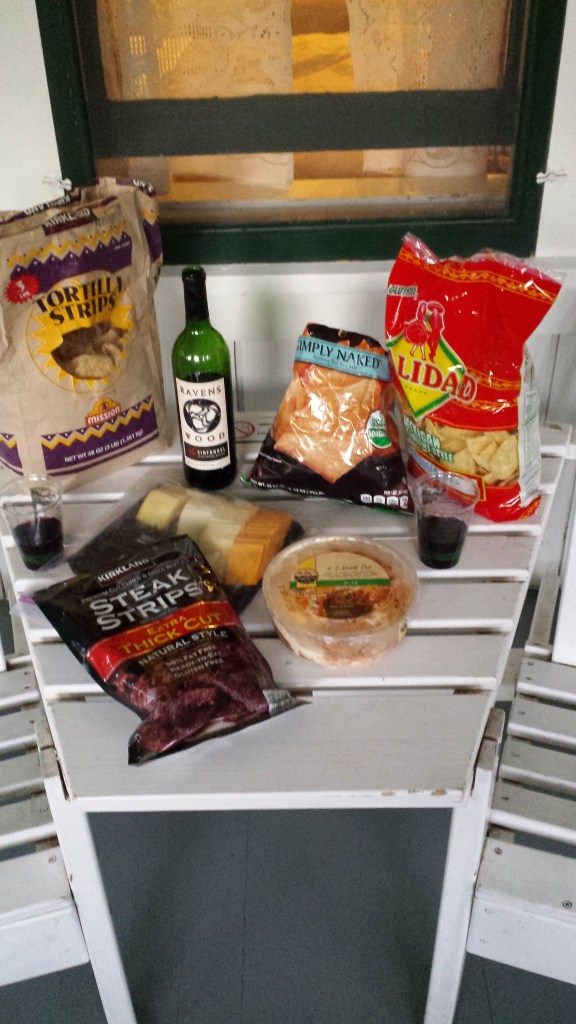
The next day, after breakfast in the hotel dining room, we headed out for a full day of touring. That evening we bought deli meats, fruits, crackers, and a bottle of wine which we ate and drank while sitting in the Adirondack chairs outside our room on the veranda. A pink and purple sunset was the perfect icing on a wonderful day.
Despite the older beds and somewhat rustic accommodations we slept well… that was until about 7:30 the next morning when our German neighbors’ talking awoke us. It was then we discovered where the locked door next to the sink led. When the hotel was built, the rooms all shared Jack and Jill bathrooms. To accommodate a more modern customer the bathrooms had been designated as a private bath for one of the rooms only, and the door to the adjacent room was locked.
We had the room without a private bath. Our German neighbors, Hans and Fritz, had the bathroom. Did I mention that the walls were paper-thin and not insulated?
Soon, some rather unfortunate sounds penetrated into our hearing range. We dressed as quickly as we could and headed to breakfast… and decided that the Germans would hereafter be known as Fritz… and a scatological term which rhymes with Fritz.
Of course the thing one most recalls about any trip are the occurrences which are out of the ordinary. Our stay at the Wawona turned out to be the most memorable part. And we wouldn’t change a thing.
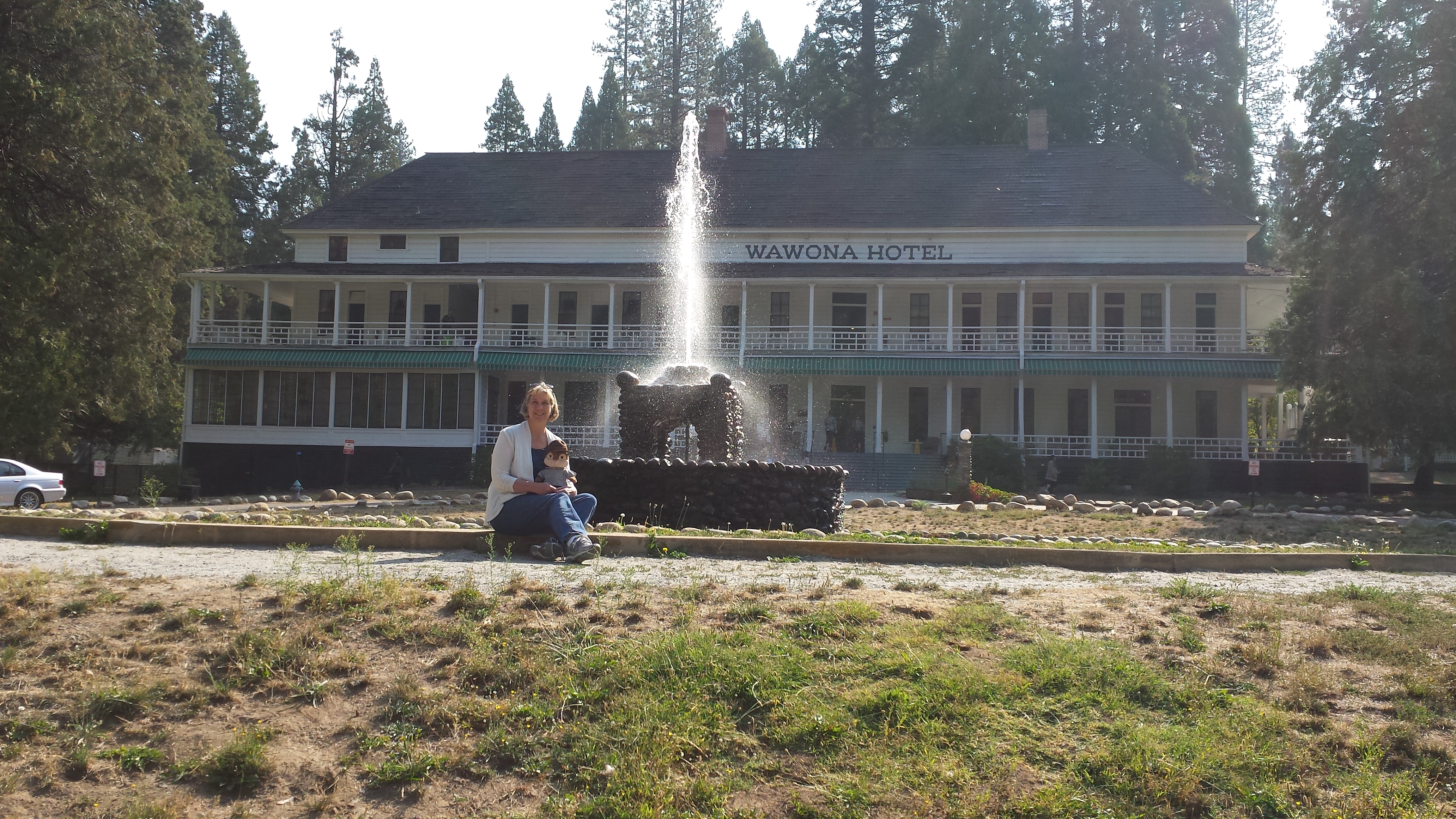
A couple of websites to visit:
https://en.wikipedia.org/wiki/Yosemite_National_Park
https://en.wikipedia.org/wiki/Wawona_Hotel
For those who want to see the Wawona Hotel’s claim to fame, be sure to check out the movie 36 Hours.
https://en.wikipedia.org/wiki/36_Hours_(1965_film)

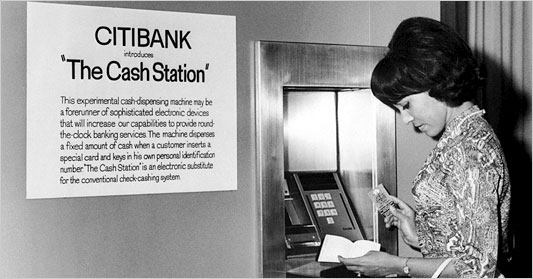 On June 4, 1973, the US patent for the ATM machine was issued to Don Wetzel, Tom Barnes, and George Chastain.
 Upon entry into the stall I dread seeing the little black box with the red light attached to the back of the throne. I don’t know if it’s just me but it seems as if the slightest movement will trigger the flushing mechanism and the toilet turns into an unruly bidet, spraying the unsuspecting (me!) customer with a premature shower of love. Sometimes this occurs multiple times sending this user screaming from the stall.
 In some restrooms you have a choice between paper towels and, nowadays, the device where you put your hands down into what looks like modern day stocks. The machine springs to life and blasts out a stream of air produced from the engines of a Boeing 747. In my hands go. I watch in fascinated horror as the skin on them wrinkles and flaps like the upper arms on Miss Luhman, the infamous fourth grade teacher who, when she was conducting the school choir, held all children’s attention with fascinated attention on her flappy arms.
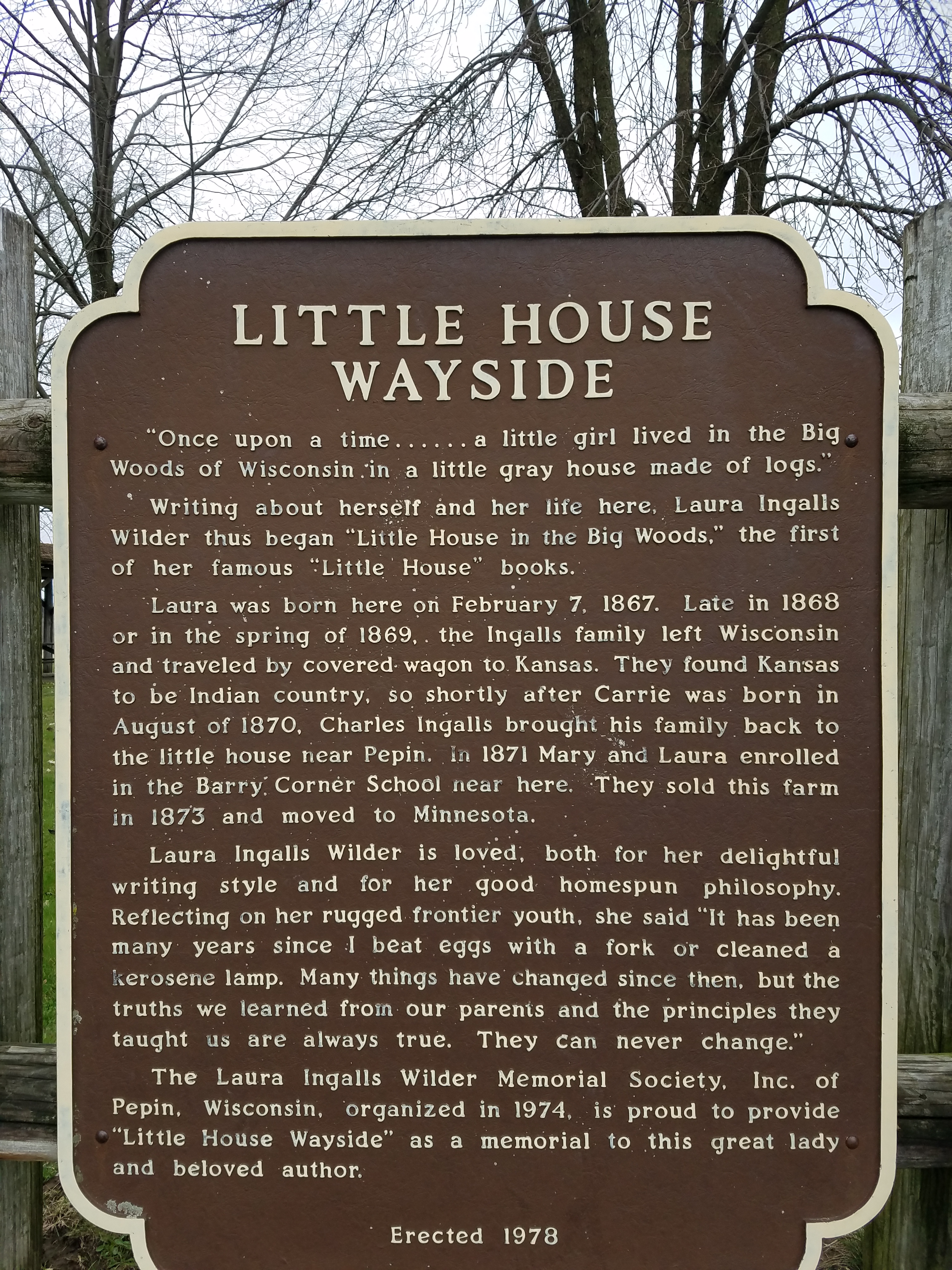
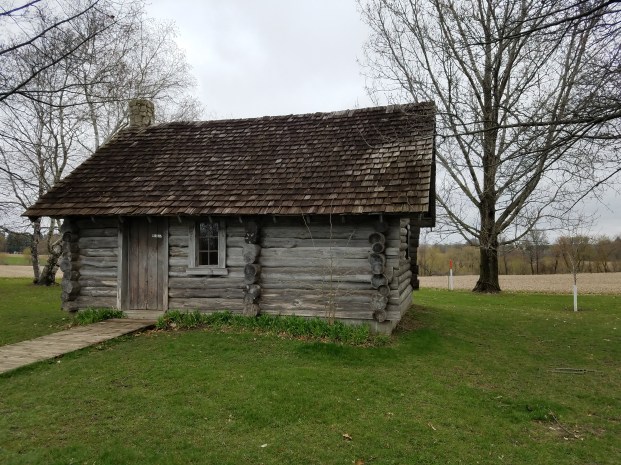 Our first stop was in Wisconsin. Although the Ingalls’ cabin is long gone, those who preserved the sites have erected faithful reproductions of the original structures. The little house in Wisconsin was certainly that: little. The main room was no bigger than a small bedroom by today’s standards. For the pioneers, this room was kitchen, dining room, living room, and laundry room (at least half the year). The entire family slept in a room the size of a closet.
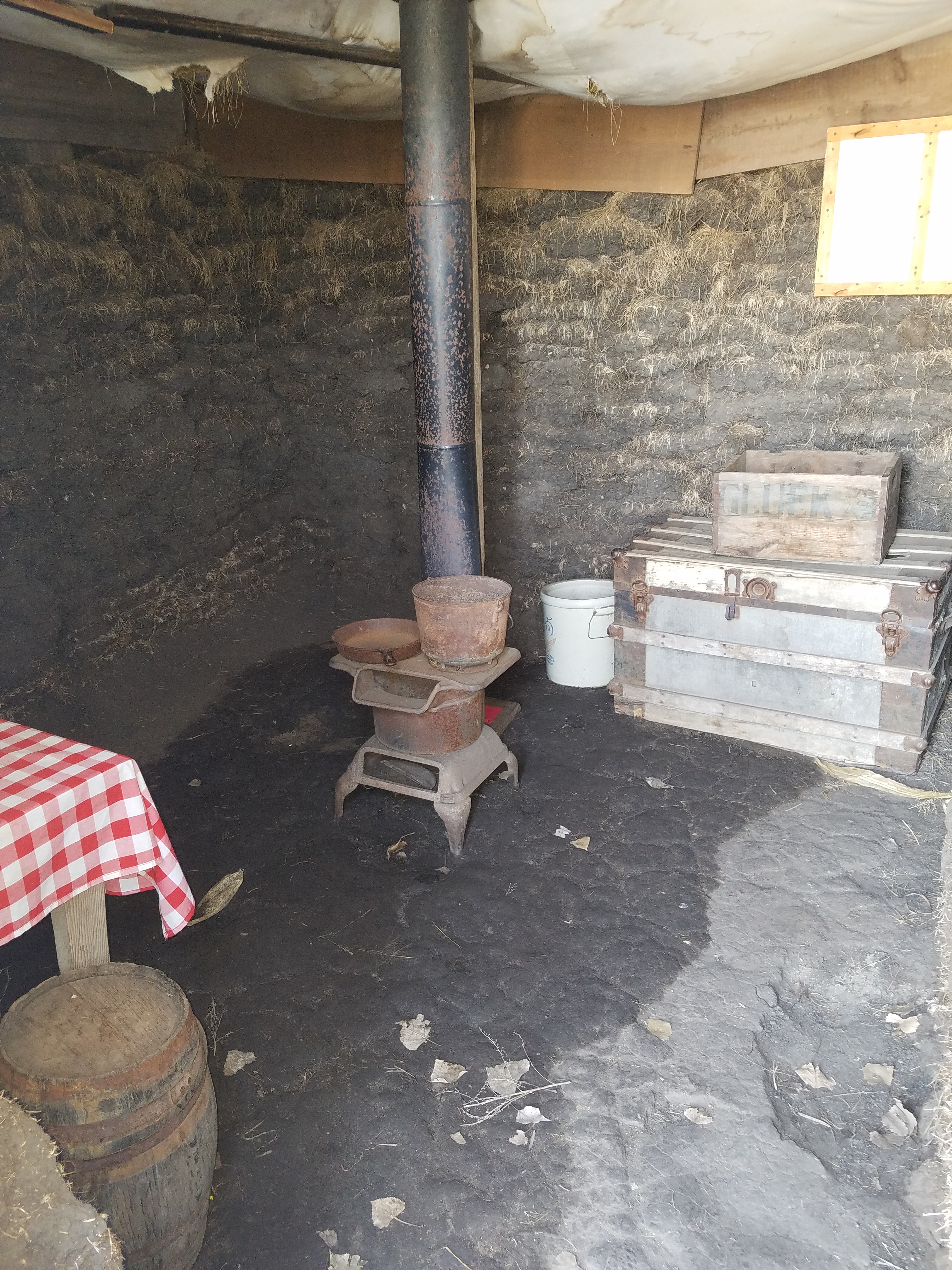

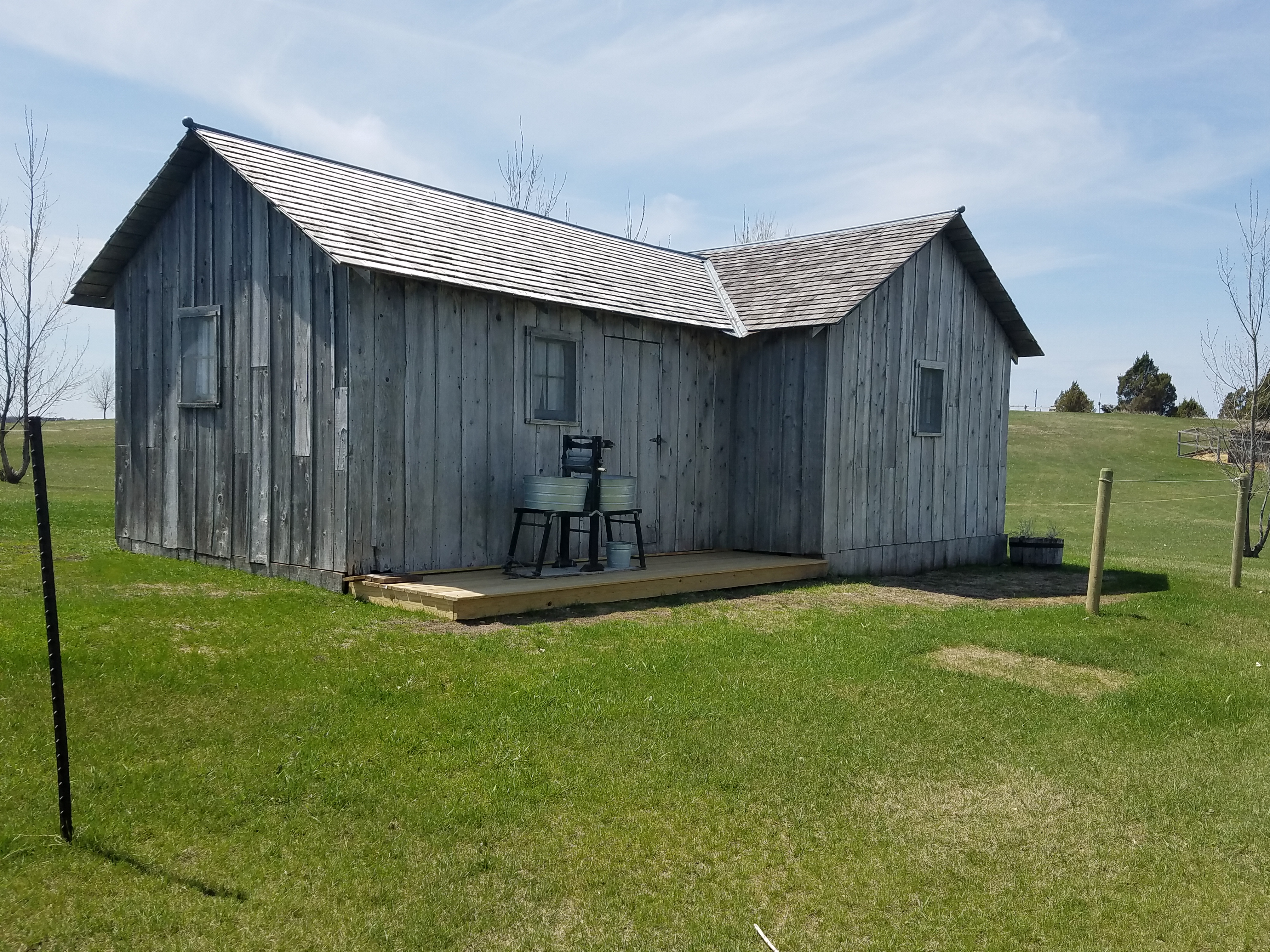
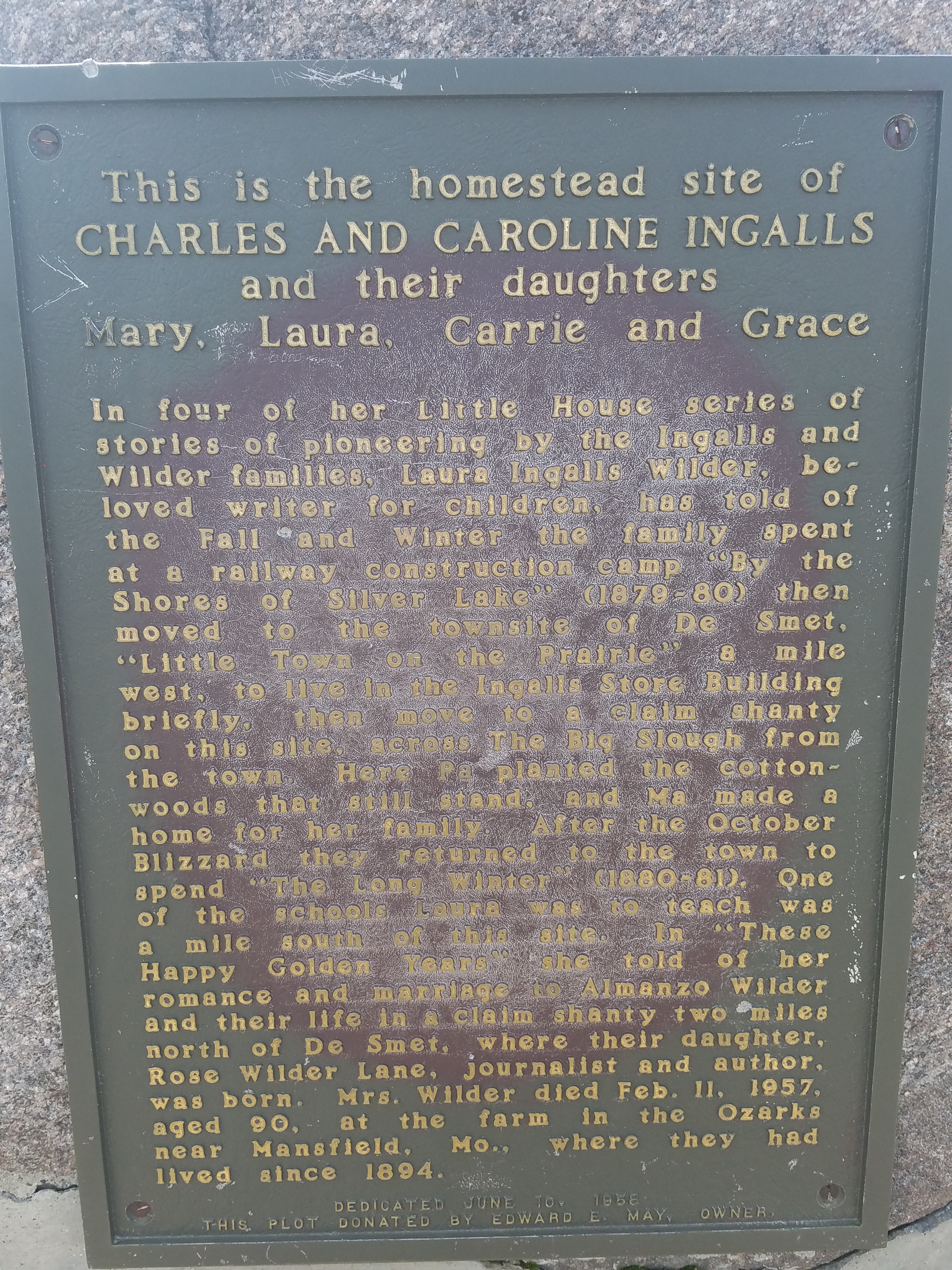 It is impossible to truly capture each of these places on paper. But Laura Ingalls Wilder’s narrative description of each location comes close. I felt as if her spirit was there with us in South Dakota, especially, as I mapped out some travels to the spots she describes in her books.
 Although the group has continued to record and perform over the years, with some members leaving, new ones coming in, and then old ones rejoining, those of us of a certain age no doubt think of Fleetwood Mac as the following five individuals who were the group in 1977: Mick Fleetwood, Christine McVie, John McVie, Stevie Nicks and Lindsey Buckingham.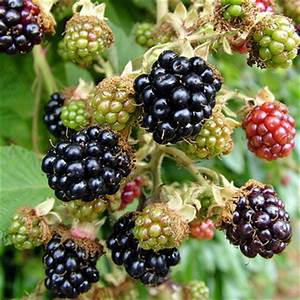
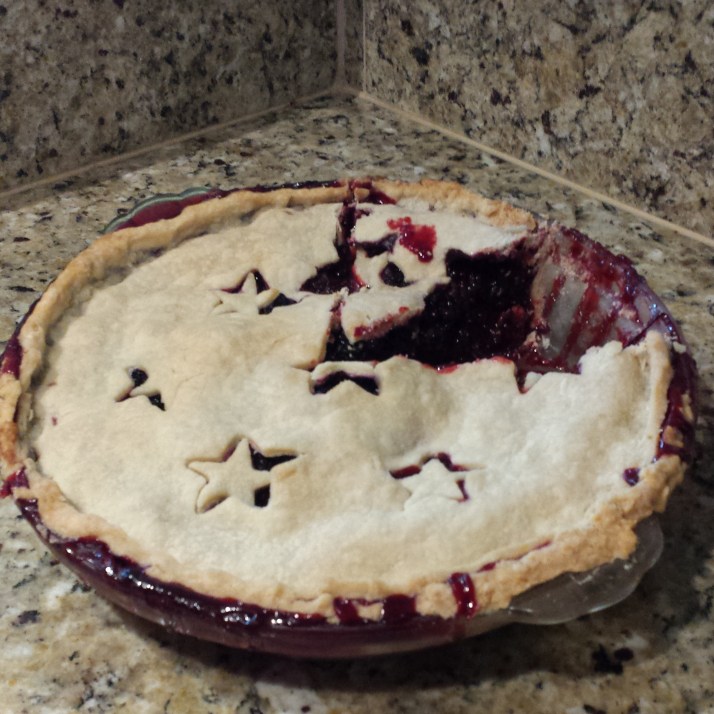
 Sugar. Always remember to put sugar in your pies. And remember to be careful where you go to pick your berries. Mom said.
 This sentiment is most associated with a crotchety old man who, in a moment of exasperation, yells at the kids in his neighborhood.
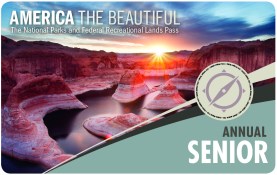 A few days ago, my hubby informed me that the next time we visit a National Park he will be eligible to purchase the “America The Beautiful” pass – a one time purchase admitting him to the NP’s for the rest of his life. Now that’s a Senior Discount worth admitting your age.
 Now, while I have not been kidnapped in the form of shanghaiing, I did enjoy being in Astoria this past weekend and watching a performance of “Shanghaied In Astoria” – a musical melodrama now in its 35th season.
 So I have a 100 percent success rate for raffles at Shanghaied. What’s not to like?
 It is a slogan all Americans of a certain age are familiar with: Things Go Better With Coke. Except for in 1985 when there was a brief period in time when the world shook on its axis and consumers rebelled against what was branded as “New Coke.”
 The game was six hands of cards where you collected, first, two groups of three cards; then a group and a run of four (all the same suit); then two runs. After the halfway point, things got more difficult with needing to acquire two groups and a run, then two runs and a group and, finally, two groups AND two runs plus you had to lay your entire hand down – with no leftovers – to win the round.
 barbaradevore.com