Tag Archive | music

Don’t It Make My Brown Eyes Blue

And a few musings on Blue vs. Brown eyes

June 24th
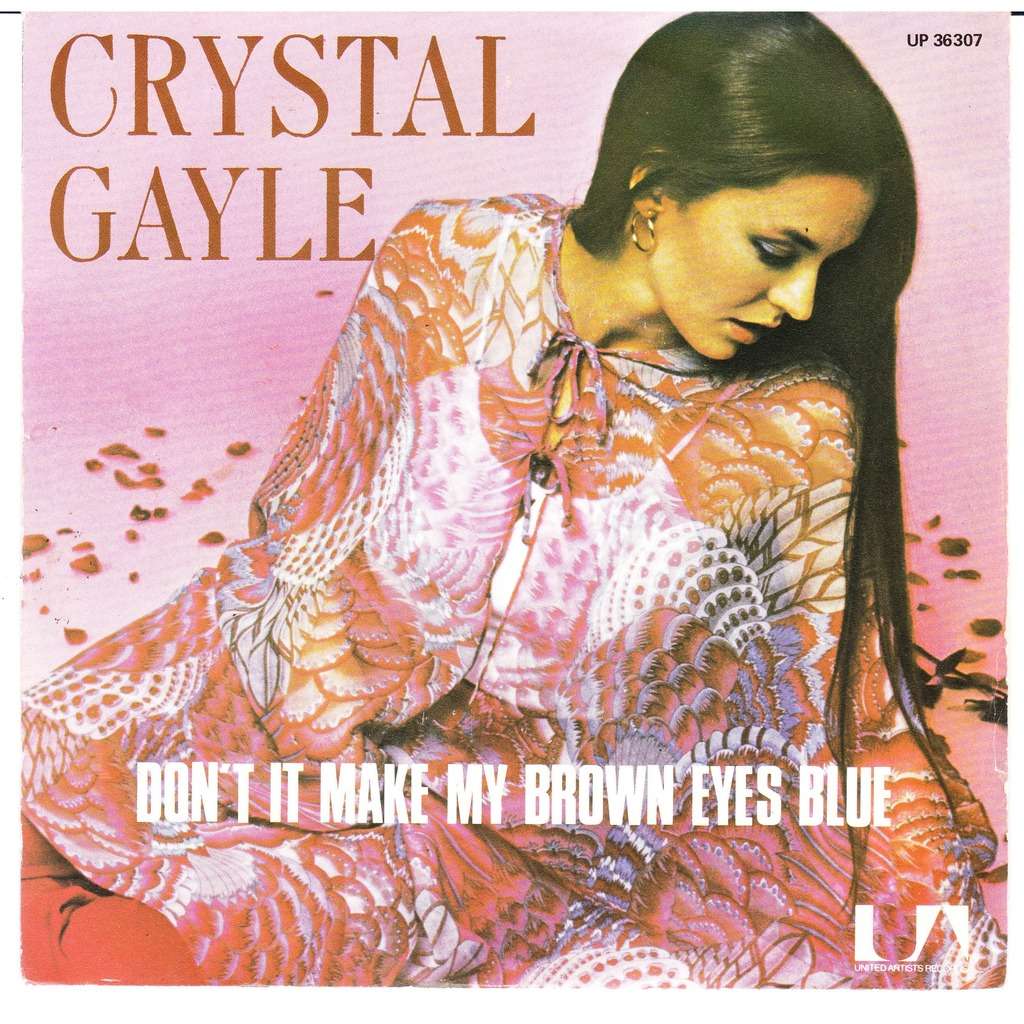
This song, released in June 1977, was one of those rare pieces which successfully crossed over from country to pop. It was number one on the country chart for five weeks in the summer of 1977 and peaked at number two on the Billboard Hot 100 chart in late November 1977. It was kept from the top position by Debby Boone’s You Light Up My Life (YLUML). As I wrote in my blog about that song, there were any number of infinitely better songs during the number one run of YLUML, including this one. https://barbaradevore.com/2024/11/19/you-light-up-my-life-2/

Don’t It Make My Brown Eyes Blue catapulted artist Crystal Gale into stardom and she had a series of commercially successful songs which followed.

The Infallible Wikipedia shares:

“In 1975, ‘Wrong Road Again’ became Gayle’s first major hit. However, it was in 1977 when Gayle achieved her biggest success with ‘Don’t It Make My Brown Eyes Blue’. The single topped the Billboard country chart, crossed over to the top five of the Billboard Hot 100 and became a major international hit.

Gayle continued having success from the late 1970s and through late 1980s. Her biggest hits included ‘Ready for the Times to Get Better’ (1977), ‘Talking in Your Sleep’ (1978), ‘Half the Way’ (1979) and ‘You and I’ (1982).”

Don’t It Make My Brown Eyes Blue is one of those songs which has gained in popularity and critical acclaim over time. Also from the Infallible Wikipedia:

“The song became Gayle’s signature piece throughout her career. In 1978, the song won Gayle a Grammy Award for Best Female Country Vocal Performance. In 1999, the song was recognized by ASCAP as one of the ten most-performed songs of the 20th century. (snip)

In 2024, Rolling Stone ranked the song at #109 on its 200 Greatest Country Songs of All Time ranking.”

I had not intended to feature this as today’s Tuesday Newsday topic. But sometimes things just sort of take a serendipitous route. Yesterday, while on our way to Seattle, the hubby, my son, and me were driving south on I-5 from Mount Vernon and my son – who has been visiting for the past week – commented about the low cloud ceiling and gray skies and how, since it was the first full day of summer, shouldn’t be happening. I think he’s forgotten what it’s like here since he lives in Guadalajara, Mexico, and he’s acclimated to the sunny and hot climate.

Being that it was June 22 and one of the longest days of the year, one might think it should be sunny and bright. But nope. Over the weekend we got a ‘welcome to summer’ soaking from Mother Nature.

As we approach the Stillaguamish River, the cloud cover has now lifted and is several hundred feet higher. Of course I do what any self-respecting, blue-eyed, Western Washingtonian would do, I put on my sunglasses.

Just like my hubby and son did. Or not. Why? Because they do not have blue eyes.

Of course, that sends me down the rabbit hole of mental gymnastics and I start thinking about blue eyes vs. brown eyes and that then led me to start humming today’s featured song. See how easy that was?

But back to the brown vs. blue eyes and the problem blue eyed people have: light sensitivity.

According to Health.com:

“Several studies have found that people with light-colored eyes are more sensitive to the effects of light than people with dark-colored eyes. Researchers speculate this may be due to lower amounts of melanin (pigment) in light-colored eyes. Less melanin in the eyes may increase their susceptibility to the negative effects of sun and light exposure.”
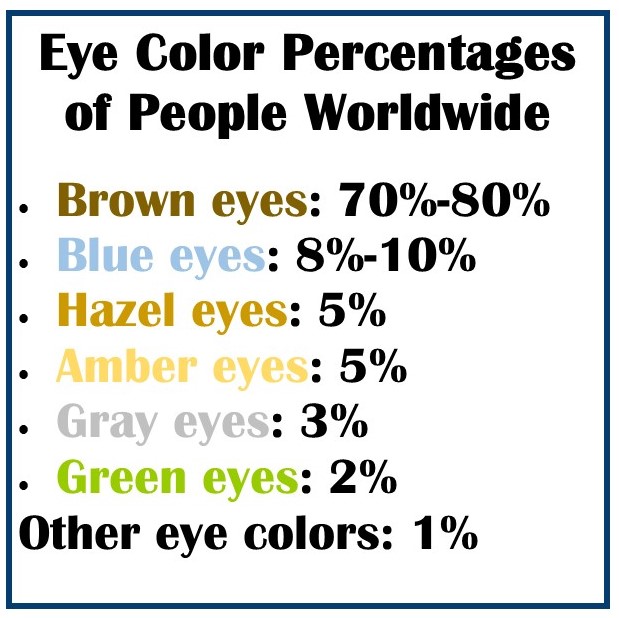
My son has teased me over the years about being a ‘blue-eyed freak.’ He’s not totally wrong. People with blue eyes make up only 8 to 10 percent of the human population as shown in the chart to the right:

Those of us who have blue eyes can trace the majority of our ancestry to northern European and Scandinavian countries. Finland, according to one report I saw, leads the world with a whopping 89 percent of its population boasting blue eyes.

I took a peek at my DNA results and learned that of the top 10 countries with the highest percentage of people with blue eyes, I match to seven of those countries – which makes up 93 percent of my DNA – including Finland with 13 percent of the total.

But back to the light problem. From the time I was a little girl, bright lights have always made me squint or even close my eyes. Bright lights when my eyes have adjusted to the darkness are just downright painful.

The hubby calls me a ‘darkie’ because I often move about the house without turning on lights. The way our lower level is set up is that we have a closet across from the bathroom near our bedroom. That closet has a motion-detecting light that is designed to turn on when one enters the closet. But sometimes, if you fly too close to the sun – er, opening – it will spring to life, flooding the area with blinding light. Okay, maybe that’s a bit hyperbolic.


Eventually we got a reasonable photo… notice the hubby is unfazed by the light.
It took several attempts to get photos that day due to my inability to keep from painful squinting…

But I have learned to be very, very careful how I walk past that doorway when I get up in the mornings so as to not trigger the light and cause painful, but temporary, blindness. I keep as close to the wall opposite as possible and slow my gait as I float past, nearly a ghost in the predawn dark.

It’s either that or wear sunglasses at night. But that’s a whole different song for another Tuesday Newsday.

So, I think my mantra, rather than “Don’t It Make My Brown Eye’s Blue” is really, “Don’t it Make my Blue Eyes Squint.” Somehow that’s not nearly as catchy as Crystal Gayle’s 1977 hit song.

The links:

https://en.wikipedia.org/wiki/Don%27t_It_Make_My_Brown_Eyes_Blue

https://en.wikipedia.org/wiki/Crystal_Gayle

https://en.wikipedia.org/wiki/List_of_Hot_Country_Singles_number_ones_of_1977

https://www.health.com/are-blue-eyes-more-sensitive-to-light-11690558

https://www.insidermonkey.com/blog/top-10-countries-that-have-the-most-blondes-and-blue-eyes-as-a-percentage-of-population-605109/?singlepage=1

https://worldpopulationreview.com/country-rankings/eye-color-percentage-by-country
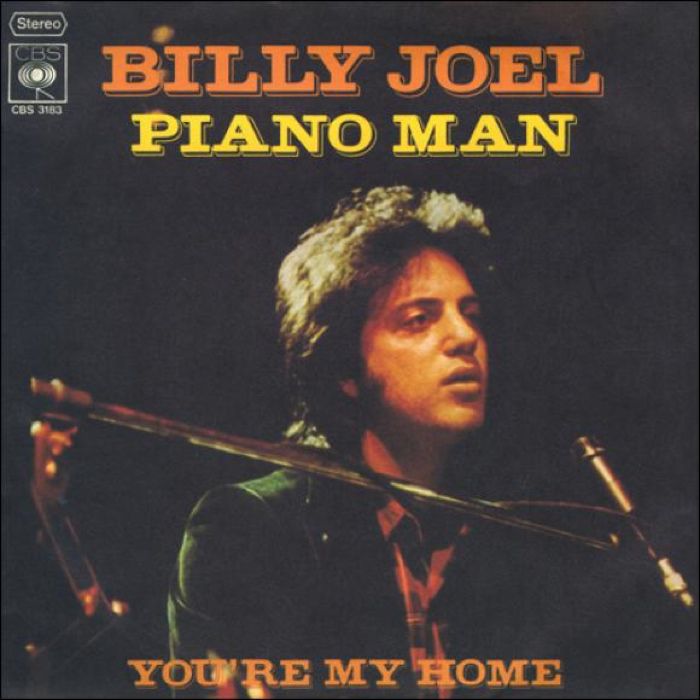
Billy Joel: The Iconic Journey of a Storyteller

The Piano Man

April 8

This song only ever reached number 25 on the Billboard Charts. Yet its one of the most memorable songs of the 1970’s and marked the beginning of one artist’s career which has spanned 50 years.

The song? The iconic “Piano Man.” The artist? Billy Joel.

It was in April of 1974 when “Piano Man” peaked on the charts. It could not even be described as a ‘one-hit wonder’ based on its ranking. By any measure, it should have faded away and been forgotten. Billy Joel, however, possessed the needed ingredients which have defined his long running career: grit, determination, and talent.

Undaunted by the middling success of “Piano Man” he continued to write songs and produce records. Both “Piano Man” and “Captain Jack” – his most successful early 1970’s releases – were an anathema to the music of that era. It was a time when soft rock and bubblegum dominated the pop category. I’m pretty sure no one was quite sure where this storyteller who saw and sang about the seamier side of life fit in.

“The Stranger” album, released in the fall of 1977, changed the public perception of Joel. I attribute it first and foremost to the song “Just the Way You Are.”  Written for his then wife Elizabeth Weber (married in 1974, divorced in 1983), I think it encapsulates a more optimistic look at life and, perhaps, that Joel was in a much happier place at that time as he had hit his stride with his career.

The American public responded. From the Infallible Wikipedia:

“Spending six weeks at No. 2 on the US Billboard 200 chart, The Stranger was Joel’s critical and commercial breakthrough. Four singles were released in the US, all of which became Top 40 hits on the Billboard Hot 100 chart: ‘Just the Way You Are’ (No. 3), ‘Movin’ Out (Anthony’s Song)’, ‘She’s Always a Woman’ (both No. 17), and ‘Only the Good Die Young’ (No. 24). Other songs, such as ‘Scenes from an Italian Restaurant’ and ‘Vienna’, have become staples of his career and are frequently performed in his live shows. The album won two awards at the 21st Annual Grammy Awards in 1979: Record of the Year and Song of the Year for ‘Just the Way You Are’. It remains his best-selling non-compilation album to date and surpassed Simon & Garfunkel’s Bridge over Troubled Water (1970) to become Columbia’s best-selling album release, with more than 10 million units sold worldwide. Rolling Stone magazine ranked the album number 70 on its 2003 list of the ‘500 Greatest Albums of All Time’, repositioned to number 169 in a 2020 revision. In 2008, The Stranger was inducted into the Grammy Hall of Fame.”

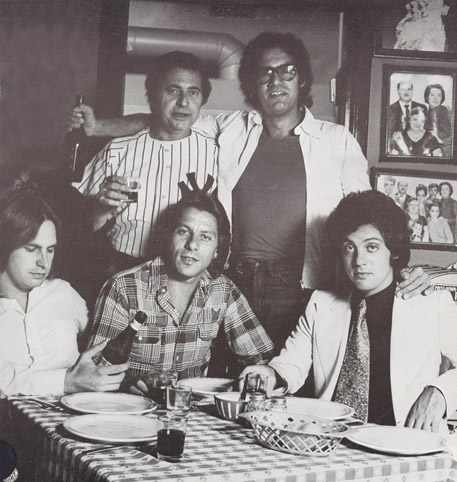
Billy Joel – seated far right – with members of his band at Guidos Italtian Restaurant. This photo was the back cover of the album, The Stranger.

As readers of my blog know, I greatly admire those who can tell a story through song. Joel has done this so very well. Perhaps my favorite of his ‘storytelling’ songs is “Scene’s from an Italian Restaurant.” When I listen to that song, I can visualize a couple of old friends – probably in their early 30’s – meeting up and soon their conversation is reliving the ‘good old days’ with such lyrics as:

Cold beer, hot lights
My sweet romantic teenage nights
.

My favorite part of the song has to be when he starts singing about prom king and queen, Eddie and Brenda, who were once the most popular kids in school. In a few short verses we learn about their marriage, their troubles, their divorce and that:

Brenda and Eddie had it already by the summer of ’75
From the high to the low to the end of the show
For the rest of their lives.

Storytelling at its finest.

It was in May 1984 when I attended my first rock concert. Yes, by then I was in my 20’s. My mother did not approve of rock concerts or anything else which might pollute young and impressionable minds so as a teenager going to such an event was forbidden.

I could have gone to a concert sooner, being that I had been an adult for several years. But after the hubby and I were married in 1980 we didn’t have the resources for such frivolities. Instead, we bought our first house in the spring of 1981 and then lived on rice and beans for the next few years, both of us going to jobs during the day, and fixing the house during the evenings and weekends. Our social life was the hubby playing on recreational soccer team; getting together with friends and family at our home our theirs, and going camping.

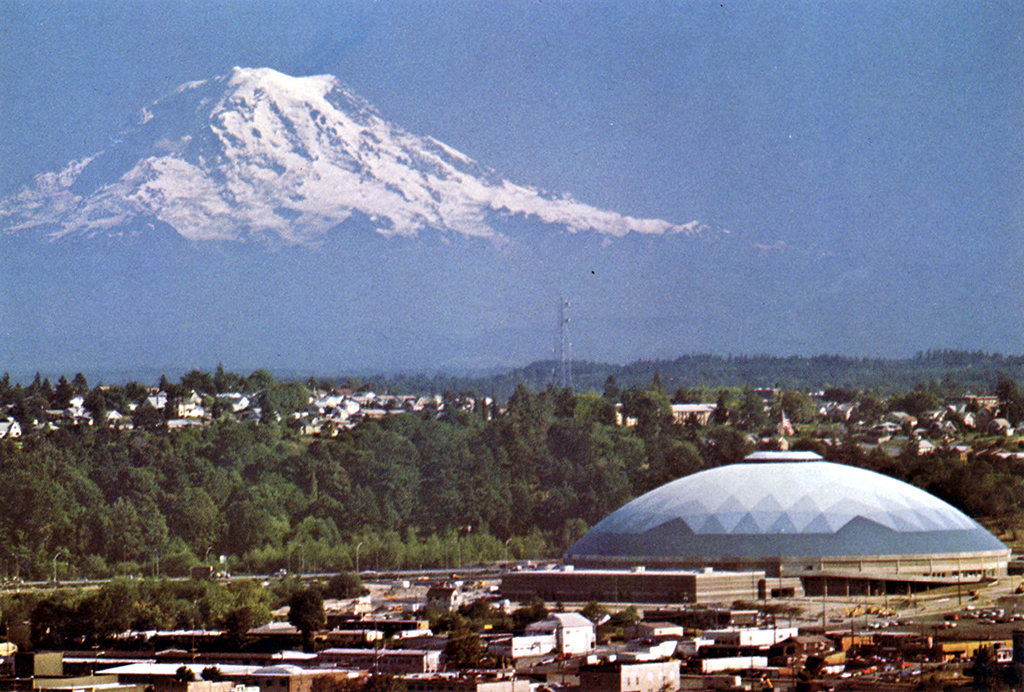
The Tacoma dome circa 1983-84

I can’t say for sure what inspired buying tickets for Billy Joel except that we both liked his music, me probably more than the hubby.

We drove from West Seattle to the Tacoma on Tuesday, May 8th, and joined thousands of our closest friends at the less than one year old Tacoma Dome (Billy Joel was the 9th artist to play there!). When the lights dimmed the arena went silent. In the dark we could see a grand piano slowly turning to the front of the stage, a lone performer sitting at the keyboard.

And then a single chord from the piano in the dark, instantly recognizable as the opening salvo of Joel’s then hit song “Allentown.” The arena erupted in applause. A solo spotlight appeared and shone down on Joel and, in that moment, he captured the room.

For the next couple of hours, we were treated to an energetic concert of old favorites and up and coming hits. It was a magical night and a great first concert.

I felt it was a privilege to have experienced Billy Joel perform live.

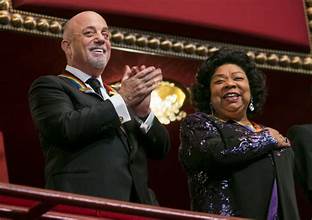
Joel was feted with the Kennedy Center honors in 2013. Pictured here with fellow honoree opera singer Martina Arroyo

Thank you, Billy Joel, for capturing the essence of the American experience through your incredible words and music.

There are soooo many links and so much more information I was not able to share in my self-imposed limited space. So here you go for some of the highlights including links to my three most favorite songs from Joel:

https://en.wikipedia.org/wiki/Billy_Joel

https://en.wikipedia.org/wiki/Piano_Man_(Billy_Joel_album)

https://en.wikipedia.org/wiki/The_Stranger_(album)

https://youtu.be/gxEPV4kolz0?si=TsMKJR-FE_lsLB4B (Piano Man)

https://youtu.be/GkuJJsApACc?si=J8-DxfhF7-e9ELU2 (Just The Way You Are)

https://youtu.be/izzM9LXqP-U?si=xlCLpepQV7n9nV7N (Scenes From an Italian Restaurant)

A Font of Fun? No Fooling!

April 1st

You’d pretty much have to be living on an island far from civilization to NOT know that today is April Fool’s Day. It’s celebrated each year on April 1st.

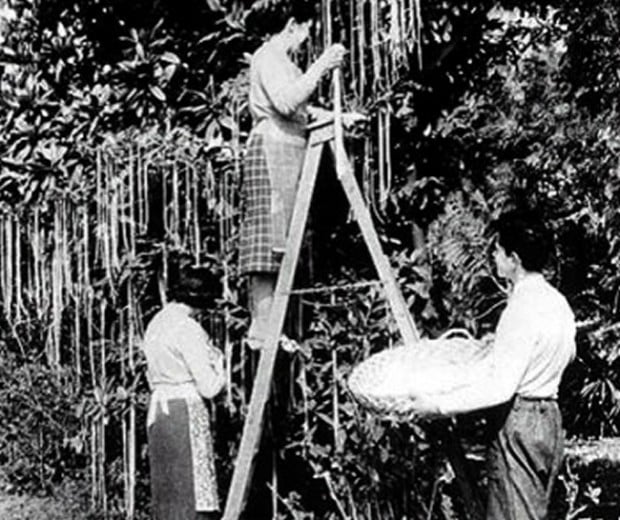
Considered by many as the greatest hoax of all time is this 1957 BBC documentary about harvesting spaghetti from trees. https://en.wikipedia.org/wiki/Spaghetti-tree_hoax

The day has murky beginnings which date back hundreds of years. Some say that Geoffrey Chaucer, in the unreadable ‘Canterbury Tales’, makes reference to the day. But that’s disputed. In 1508 some obscure French poet I’ve never heard of wrote about ‘poisson d’avril’ – translated ‘April’s Fish’ – which apparently doesn’t mean fish but ‘fool.’ Yet another theory is that at one time the new year was marked as being on March 25th but was then changed to January 1st (Actually March 25th makes more sense what with spring, birth, and renewal, but whatever). Those who clung to their old traditions were derided as Fool’s and I guess it took 6 days of their protests against moving New Years before someone decided to take any action.

The previous paragraph is, however, as in depth as I plan to go regarding the origins as, quite honestly, it’s a bit boring for this day devoted to mirth and mischief. Sadly, I found the Infallible Wikipedia article to be deadly serious and who wants that?

Anyway, I had soon climbed down the rabbit hole that is the internet and found a website truly worthy of April Fool’s Day: The Museum of Hoaxes. OMG. I knew I could spend hours reading about all the clever things people have conjured up to fool others. Decisions, decisions. WHICH of the hundreds of hoaxes was worthy of Tuesday Newsday fame? It was a weighty decision.

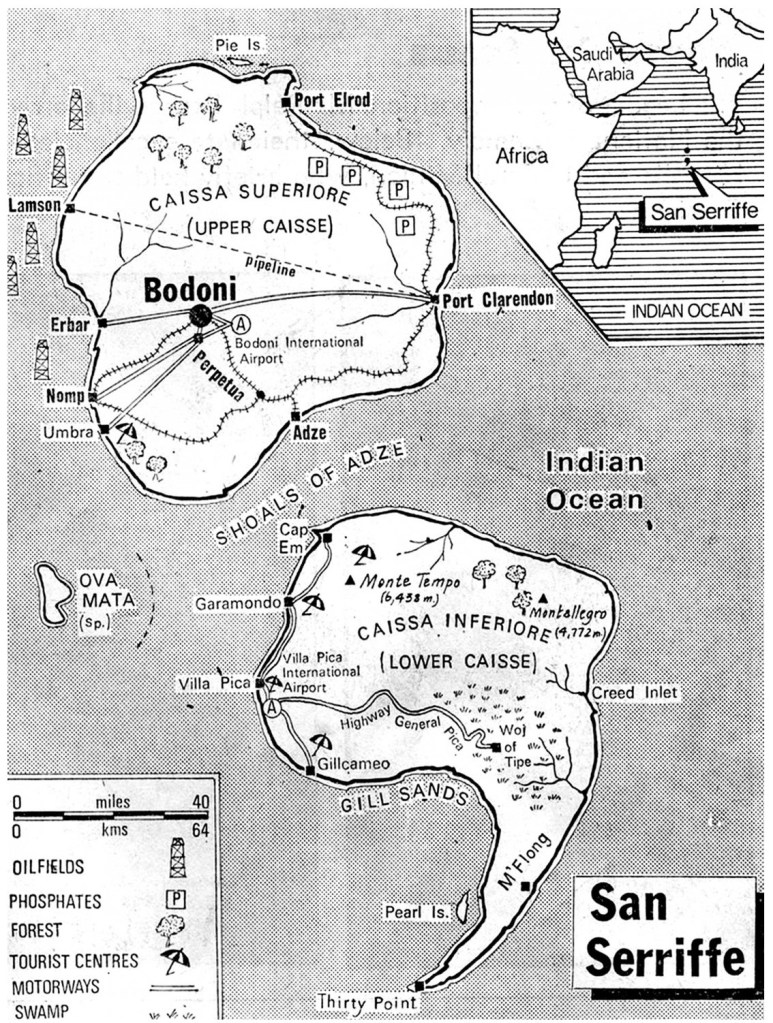
The islands of San Serriffe are a Perpetua(l) delight

Presenting the Island of San Serriffe!

As a writer, word nerd, and someone whose earliest childhood goal was to be able to create programs, newsletters, flyers, etc., the name San Serriffe resonated.

The year was 1977 and the British newspaper, The Guardian, was looking for something fun as a joke for their April Fool’s Day edition. Brainstorming occurred and the results were hilarious. From the hoaxes.org website:

“On April 1, 1977 the British newspaper The Guardian published a seven-page ‘special report’ about San Serriffe, a small republic located in the Indian Ocean consisting of several semi-colon-shaped islands. A series of articles described the geography and culture of this obscure nation.

The report generated a huge response. The Guardian‘s phones rang all day as readers sought more information about the idyllic holiday spot. However, San Serriffe did not actually exist. The report was an elaborate April Fool’s Day joke — one with a typographical twist, since numerous details about the island (such as its name) alluded to printer’s terminology.

The success of this hoax is widely credited with inspiring the British media’s enthusiasm for April Foolery in subsequent years.”

The best part of this story is, for me, the map. These people had waaaaaay too much time on their hands apparently.

The capital of San Serriffe: Bodoni; There’s Monte Tempo and Montallegro; Creed Inlet and Thirty Point; Villa Pica International airport and a beach town named Garamondo. Truly, the map is a font of fun.

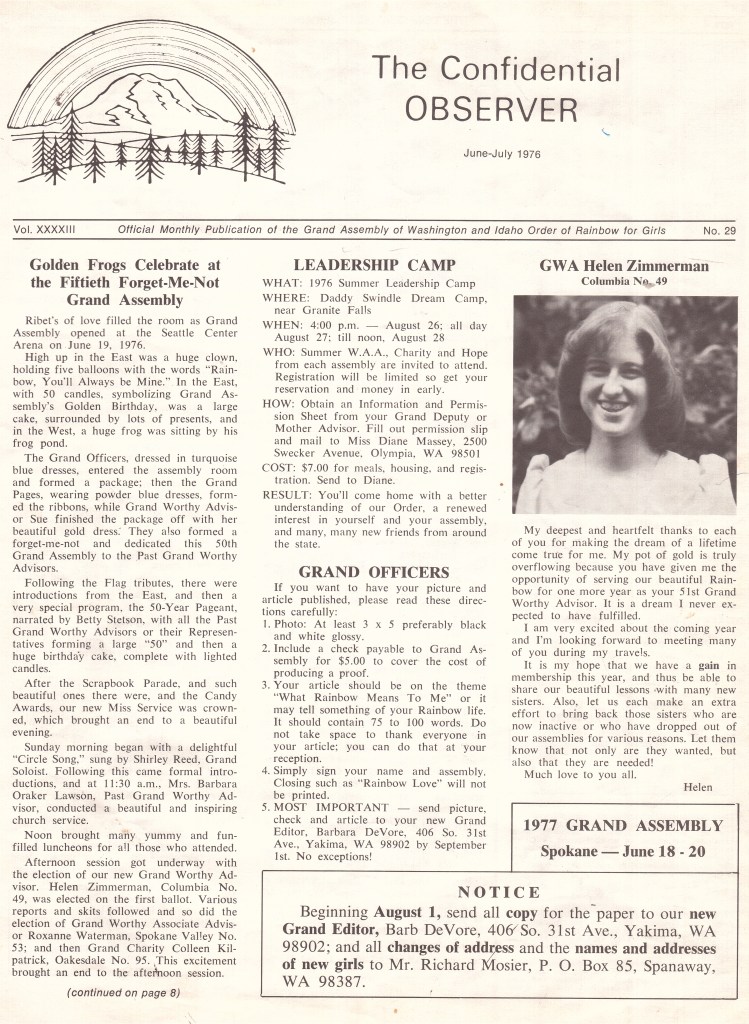
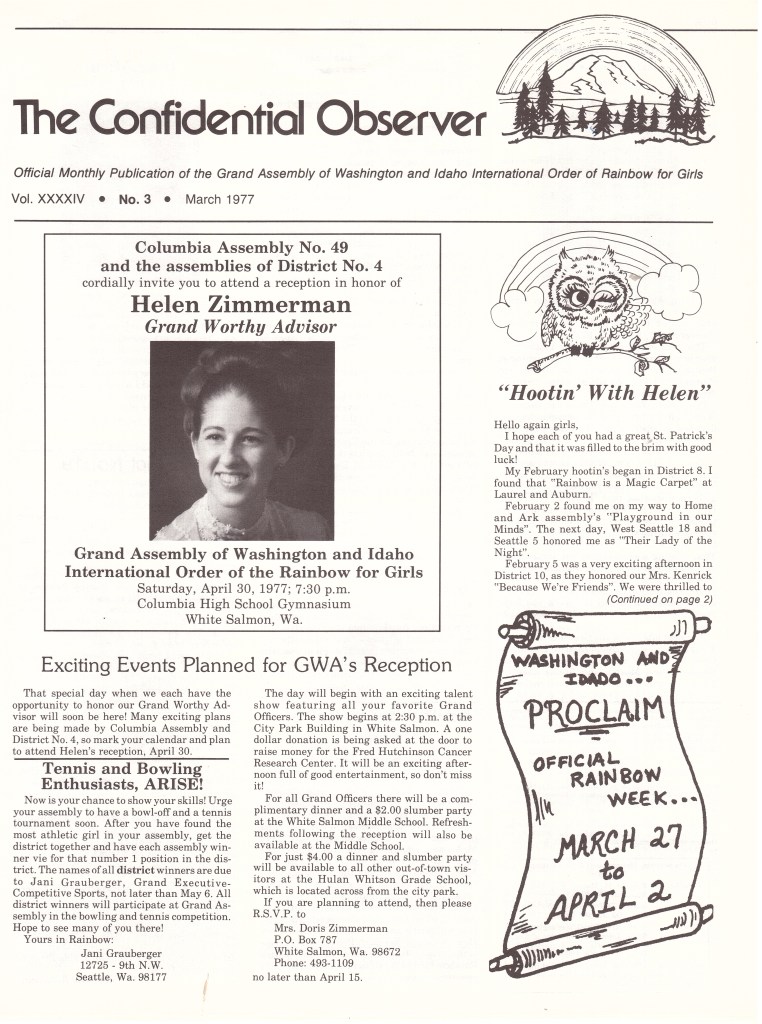
I’m a bit sad that it took me over 40 years to learn about San Serriffe since, in 1977, I was heavily involved in the world of publishing. I was one of three editors for the weekly Yakima Valley Community College “Galaxy” and also the youth editor of the Washington Idaho Rainbow Girls newsletter titled “The Confidential Observer.”

I was hungry to learn everything there was about journalism, writing, and layout. One of my big passions was experimenting with new fonts. I could not get enough of them!

The adult advisors for the Rainbow Girls publication, I’m certain, had no idea what hit them that year as I shook things up, at least in the world of Fonts. Well, and layout and artwork and, pretty much everything I was capable of changing. The fonts went from Helvetica and Times New Roman to Garamond and Bodoni to name a couple of them.

I changed the mast head; I varied the font sizes; I used boxes around things to emphasize and tried to make it more aesthetically pleasing.

Two versions of the front page of the Rainbow Girls paper. Top is how it looked the issue before I started changing things. Bottom is how it looked six months later.

Now, way back in the dark ages, publication was not a simple thing. First I had to get articles from people from all over the states of Washington and Idaho who mailed them in envelopes. Some of these came handwritten on notebook paper, full of spelling and grammatical errors. I often had to retype and all had to be edited. When that was done I would mail it all from where I lived in Yakima to the printers in Tacoma, who then retyped it (with the fonts I’d chosen) and created galleys to fit our three-column format. These were then returned to me via mail. I would cut – with an exacto knife – the galley articles and glue the proofs on to paper in the correct configuration with everything marked as to where it was supposed to go and then would cross my fingers that they did it right. Spoiler: not always.

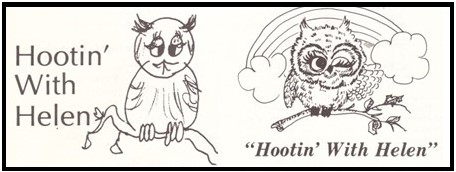
It was the fall of 1976 and the artwork that was to top the column for our state president that year had gotten lost by them. I sent in my package a hastily drawn picture (I’m no artist!) with a note attached saying “this is sort of what the artwork looks like that’s missing” and asking them to look around for it. Instead of reaching out, however, they ‘published’ what I had sent. It was awful and upsetting and bothers me to this day. Eventually, they found the missing clipart.

To this day I cannot fathom any professional printer looking at the owl on the left and thinking that’s what they should print…

With the introduction of the Apple Macintosh and their GUI (Graphical User Interface) layout in the mid-1980’s, I was finally able to create a newsletter on a computer and print it out. It was then I got my first laser printer. It was still a clunky process and the clipart was lacking, but it moved me forward.

Over the years as the GUI technology has improved, my ability to create has expanded. Artificial Intelligence has made it even easier.

So hats off to San Serriffe Island. I found the above picture of the island through an easy Google search, saved it as a jpg, and then printed it on my less than $200 Epson printer. I’m sticking it in a frame and hanging it in my office and will look at it often and cheer the fun of April Fool’s Day and 1977, the year of San Seriffe’s creation.

As always a few links:

https://hoaxes.org/archive/permalink/san_serriffe

https://hoaxes.org/af_database/display/category/guardian

https://en.wikipedia.org/wiki/April_Fools’_Day

World’s Most Popular Song? The Story of ‘Happy Birthday’

Everyone’s sung it at least once!

March 4

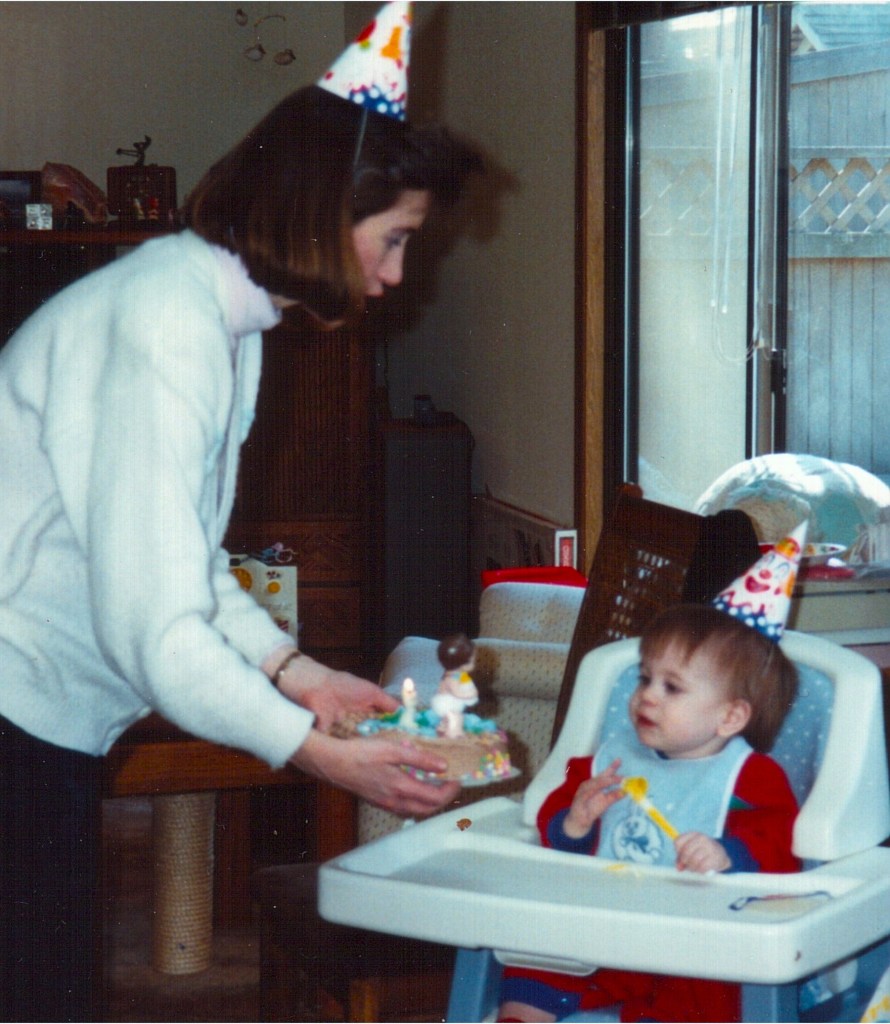
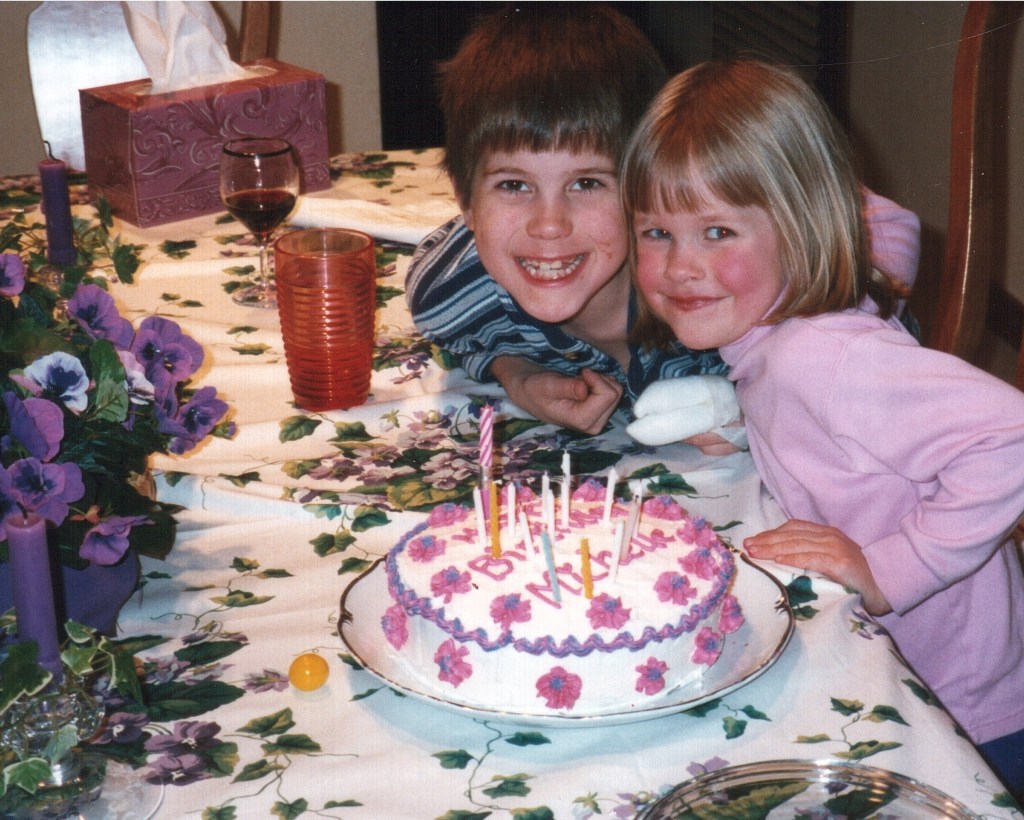
My son’s first birthday… and singing Happy Birthday to You.

This song, arguably the most popular one ever written, never reached number one the Billboard Hot 100 and was never nominated for a Grammy Award. In fact, no one is 100 percent certain as to the origin of the tune or the lyrics. Yet today pretty much every American aged 5 and over has sung it many, many times and it remains a cultural icon.

The song? “Happy Birthday To You.”

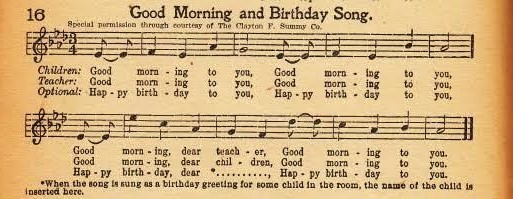
It was on March 4, 1924, when the song was published in a songbook by Claydon Sunny (Clayton F. Summy Publications) at the behest of Jessica Hill, the younger sister of kindergarten teachers Patty and Mildred Hill.

The song has its origins in the late 1800’s when the two sisters composed an easy to learn song for their classroom titled “Good Morning To You.” It is speculated that the sisters put the song together based on several other children’s song melodies, popular at the time.

The lyrics were thus: “Good morning to you, good morning to you, good morning, dear children, good morning to all.”

So far, so good as it was just a couple of Louisville, Kentucky, kindergarten teachers using a cheery song to greet young children each day.

In 1893 the sisters, with their pioneering ideas on early childhood education, published the song in a book titled “Song Stories For Kindergarten.” No one can say for sure ‘when’ the birthday lyrics were substituted but there is evidence that they were first published in 1912. It was, however, Claydon Sunny’s publication which set the song up for copyright challenges which persisted for decades.

As you might expect, the Infallible Wikipedia fills in the details:

“The Summy Company registered a copyright in 1935, crediting authors Preston Ware Orem and Mrs. R. R. Forman. In 1988, Warner/Chappell Music purchased the company owning the copyright for US$25 million, with the value of ‘Happy Birthday’ estimated at US$5 million. Warner claimed that the United States copyright would not expire until 2030 and that unauthorized public performances of the song were illegal unless royalties were paid. In February 2010, the royalty for a single use was US$700. By one estimate, the song is the highest-earning single song in history. In the European Union, the copyright for the song expired on January 1, 2017.

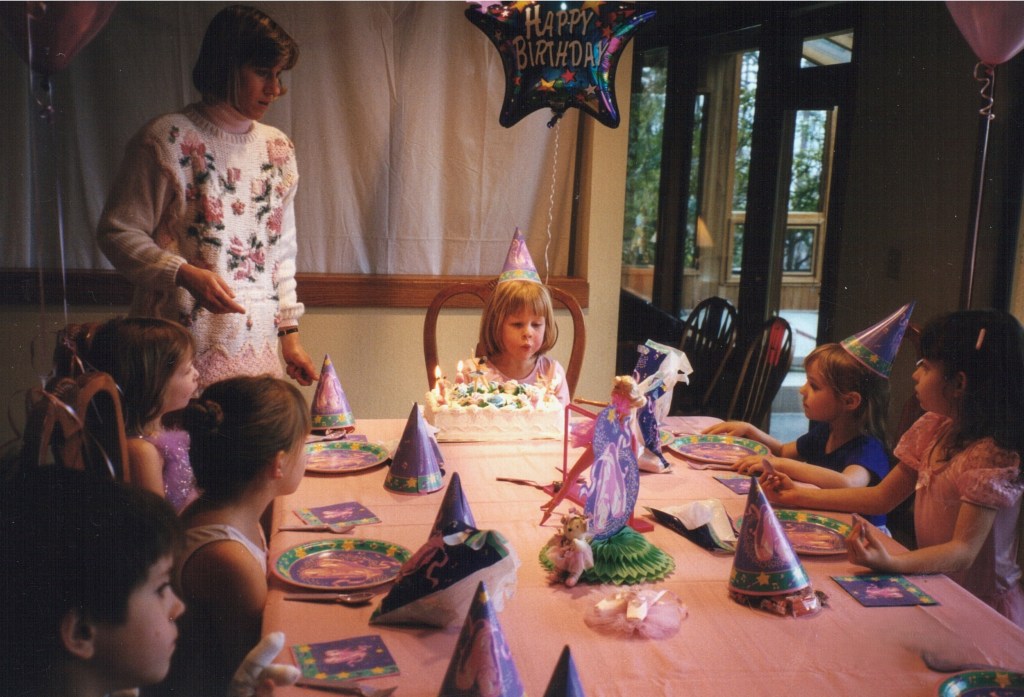
My daughter’s Ballerina themed 5th birthday party

The American copyright status of ‘Happy Birthday to You’ began to draw more attention with the passage of the Copyright Term Extension Act in 1998. The Supreme Court upheld the Act in Eldred v. Ashcroft in 2003, and Associate Justice Stephen Breyer specifically mentioned ‘Happy Birthday to You’ in his dissenting opinion. American law professor Robert Brauneis extensively researched the song and concluded in 2010 ‘it is almost certainly no longer under copyright.’ Good Morning to You Productions sued Warner/Chappell for falsely claiming copyright to the song in 2013. In September 2015, a federal judge declared that the Warner/Chappell copyright claim was invalid, ruling that the copyright registration applied only to a specific piano arrangement of the song and not to its lyrics and melody. In 2016, Warner/Chappell settled for $14 million, and the court declared that ‘Happy Birthday to You’ was in the public domain.”

I love this photo of my children taken on my daughter’s birthday circa 1997

Like pretty much everyone reading this, I cannot recall a time when I did NOT know this song. When my family inherited my grandmother’s piano – I was 7 or 8 – and I first sat down to experiment, this was likely the first tune I was able to pick out with the keys.

Some of my earliest memories are of my mother bringing out a birthday cake for one of her four children, candles ablaze, and her leading everyone in singing ‘Happy Birthday To You.” She would enter the dining room from the kitchen, bearing her signature chocolate cake covered in white frosting, with “Happy Birthday” written in either blue or green icing. This was followed by the birthday child blowing out the candles and making a secret wish.

The now 101-year long tradition (or longer) of singing happy birthday has been carried on for generations and, as soon as its discovered that it’s someone’s special day, a group of people will nearly always sing the song.

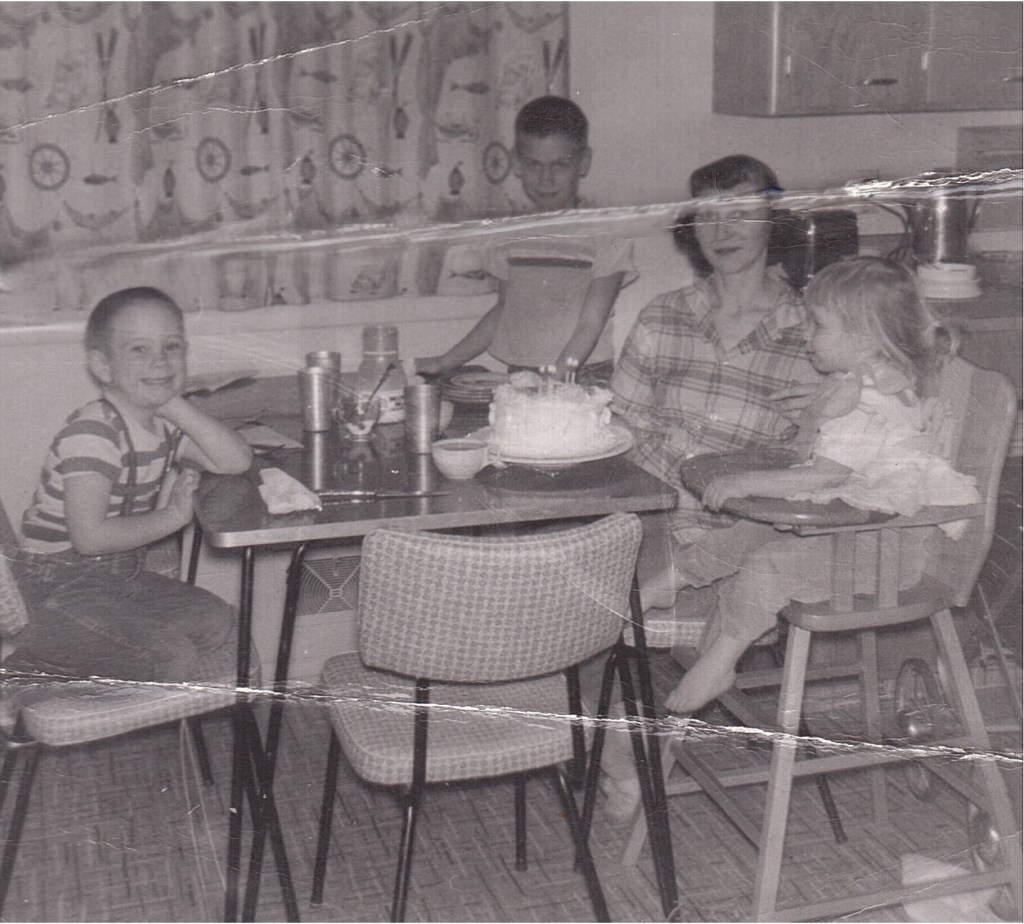
A moment in time…It was my mother’s 32nd birthday. I’m not quite sure ‘who’ took this photo. Likely my grandmother who often came to help with the four of us. I’m not pictured as I was only three months old at the time. My siblings, ages 9, 4, and 2 are also pictured.

As I was researching for this article, I wandered off into the weeds, perusing various YouTube videos of people singing/playing ‘Happy Birthday.’ And then I saw it. A nine-minute video of pianist Victor Borge having fun with the song in the style of about 10 different classic composers. The link:

https://www.youtube.com/embed/hkkHz8xq7lE?si=UBogXMHjmkPc4qZk

This was familiar, I thought. And then I recalled I had experienced Victor Borge perform at the Capitol Theatre in Yakima when I was a teenager. Sure enough, on March 31, 1973 – together with my parents and my sister – we attended his concert. According to what I wrote in my diary “It was a very good show. I enjoyed it.” Not exactly an expansive review but I was 15 and, perhaps, did not appreciate that moment in time. To this day, however, I can see him on that stage, regaling the audience with his comedic take on classical music. I am positive he performed ‘Happy Birthday’ similarly to what is shown in the attached video.  Enjoy!

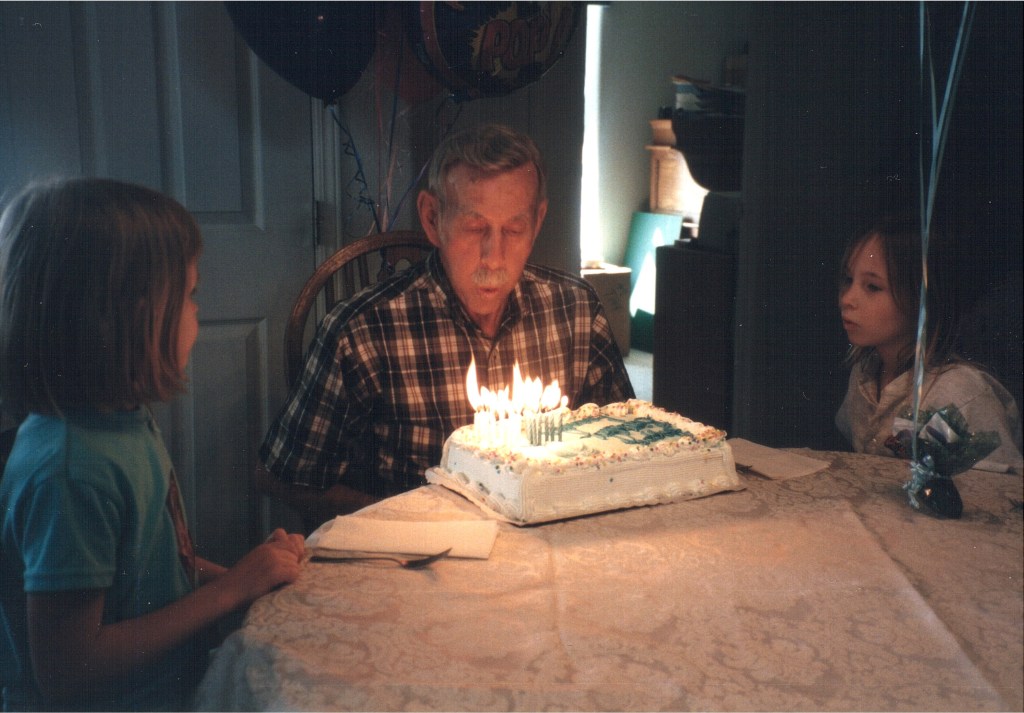
My dad’s birthday circa 1997 pictured with his two youngest granddaughters.

Yet, when I think about “Happy Birthday To You” I am amazed at the cultural reach of such a simple tune and lyrics with humble beginnings.

So, there you have it. No more copyright infringements or companies claiming the song belongs to them. You are free to sing “Happy Birthday to You” anywhere and everywhere without having to worry about paying royalties or getting sued. Ultimately, the song has returned to its roots, as a simple and positive way to give glad tidings and, perhaps, brighten someone’ day if only for a few minutes. Just the way I imagine Patty and Mildred Hill would have wanted it.

A few links:

https://en.wikipedia.org/wiki/Happy_Birthday_to_You

https://en.wikipedia.org/wiki/Victor_Borge

https://en.wikipedia.org/wiki/Capitol_Theatre_(Yakima,_Washington)

You Light Up My Life

A mega hit for Debbie Boone

November 19, 2024

A Tuesday Newsday Classic updated

On November 19, 1977, this song was in the middle of a 10 week run as the number one song in America. You Light Up My Life was the one and only Top 40 hit from Debbie Boone, daughter of 50’s teen idol Pat Boone. It reached number one on October 15 and stayed in that position through December 23, making it – at the time – the only recording to stay that long in the top spot in Billboard history.

According to the Infallible Wikipedia:

“Besting her chart performance in Billboard, Boone’s ‘You Light Up My Life’ single topped Record World’s Top 100 Singles Chart for an unbroken record of 13 weeks. On Billboard’s chart, Boone was unseated from #1 by the Bee Gees, with ‘How Deep Is Your Love,’ the first of three #1 singles from the ‘Saturday Night Fever’ soundtrack. On Record World’s chart, Boone kept the Bee Gees out of the number-one spot. In Cash Box Magazine, ‘You Light Up My Life’ managed only an eight-week stay at the top of the chart, before being dethroned by Crystal Gayle’s ‘Don’t It Make My Brown Eyes Blue’.

The single, which was certified Platinum by the Recording Industry Association of America (RIAA), also hit #1 on the Adult Contemporary chart and reached #4 on the Country chart. The single peaked at #48 I’m the UK Singles Chart. Boone’s hit single led to her winning the 1978 Grammy Award for Best New Artist, with additional Grammy nominations for Best Pop Vocal Performance, Female and Record of the Year. Boone also won the 1977 American Music Award for Favorite Pop Single.

Decades after its release, the Debby Boone version is still considered one of the top ten Billboard Hot 100 songs of all time. In 2008, it was ranked at #7 on Billboard’s ’Hot 100 All-Time Top Songs’ list (August 1958 – July 2008). An updated version of the all-time list in 2013 ranked the song at #9.

Although it was written by (Joe) Brooks as a love song, the devout Boone interpreted it as inspirational and proclaimed that it was instead God who ‘lit up her life.’”

The song was tainted by controversy, however, as songwriter Brooks apparently did not want to pay the agreed upon amount owed Kasey Cisyk, the artist who sang it for the movie of the same name, and whose version is included on the 1977 soundtrack.

Boone was told, when recording the song for release as a single, exactly how to sing it and her vocals were dubbed onto the original orchestral track.

At the time, I recall that Boone received much derision and the song was labeled as saccharin. In reading what occurred, however, I feel bad for both the women caught up in the controversy. Perhaps Cisyk was denied her shot at a Top 40 career and, perhaps, Boone was lulled into a sense of inevitability that she would become a star like her father. Although in listening to both versions, I think Boone’s is better.

Boone released additional songs into the pop market, but none ever came close to the success of “You Light Up My Life.” Her career eventually led her back to country music – where she had started – and then to work in the Christian music world.
In the fall of 1977, you simply could not avoid the song. It was played hour after hour on the radio. That autumn was one of the most memorable in my life: I was living away from my parents for the first time, having joined the Alpha Phi sorority at the University of Puget Sound. While I did study, I don’t think I was quite as diligent as I should have been. Instead, I was fraternizing with the fraternity boys most every weekend at mixers, and going on dates! I had never in my life garnered quite so much attention from the males of the species.

There was one particularly memorable November day when, literally, I had calls or visits from five guys all of whom I had been on a date with in recent weeks. That day, I could not say for sure the exact date, I had been headed down to the ‘tunnels’ to get my dinner and I decided it was a good idea to jump down the two steps from the door. I jumped a wee bit too high and… nearly gave myself a concussion.

The ‘award’ I was given for my epic self inflicted concussion

The next Monday at our weekly sorority chapter meeting, I was recognized for my grace (for the stairs) and my charm (for the plethora of phone calls and visits I had). It was what I came to be known for and received endless ribbing about it. Good times.

That era in my life was punctuated by music and whenever I hear “You Light Up My Life” I’m back in the Alpha Phi house and it’s the fall of 1977. There were a few other songs which, in my opinion, were equally as deserving of that number one spot.

These included Billy Joel’s Just The Way You Are – an infinitely better song; Rita Coolidge’s version of We’re All Alone; Carly Simon’s Nobody Does It Better; and Don’t It Make My Brown Eyes Blue by Crystal Gayle. The list of great songs from that year also included big hits – but never number ones – from a whole lot of great bands: Foreigner, Heart, Fleetwood Mac, Styx, Supertramp, and Steely Dan, among others.

And in case you’d like to hear the Casey Cisyk version and really get the worm stuck in your head (it’s been in mine since I wrote this!) here’s that video also. Note that you are seeing Didi Conn on screen – she is doing a lip-sync to Cisyk’s vocals. Enjoy!

The links:

Close To You

The first hit for the 1970’s duo “The Carpenters”

July 30, 2024

A Tuesday Newsday Classic Updated

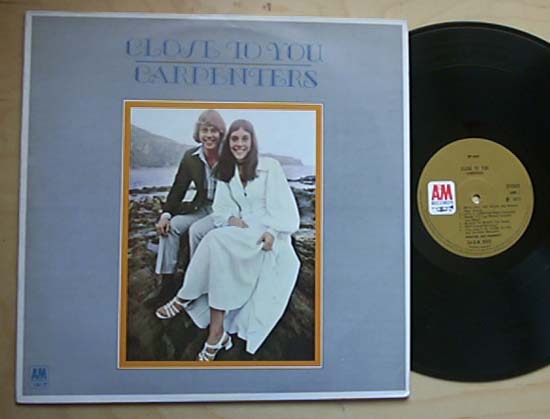
The Carpenters 1970 album “Close To You”

In the spring of 1970, there were approximately 17 million Americans between the ages of 12 and 16 and, of those, some 8.5 million were female. It was the height of the teenage Baby Boomer era when AM radio was king and the only place to hear the hits of the day.  It was also the dawn of a musical period dominated by a form of music known as soft rock.

According to the Infallible Wikipedia:

“The Hot 100 and Easy Listening charts became more similar again toward the end of the 1960s and into the early and mid-1970s, when the texture of much of the music played on Top 40 radio once more began to soften. The adult contemporary format began evolving into the sound that later defined it, with rock-oriented acts as ChicagoThe Eagles and Elton John becoming associated with the format. The Carpenters‘ hit version of ‘(They Long to Be) Close to You’ was released in the summer of 1970, followed by Bread‘s ‘Make It with You’, both early examples of a softer sound that was coming to dominate the charts.”

It was during the last week of July 1970 when Close To You topped the Billboard Hot 100 and held the number one position for four weeks. It marked the ascension of The Carpenters as one of the defining musical acts of the early 1970’s.

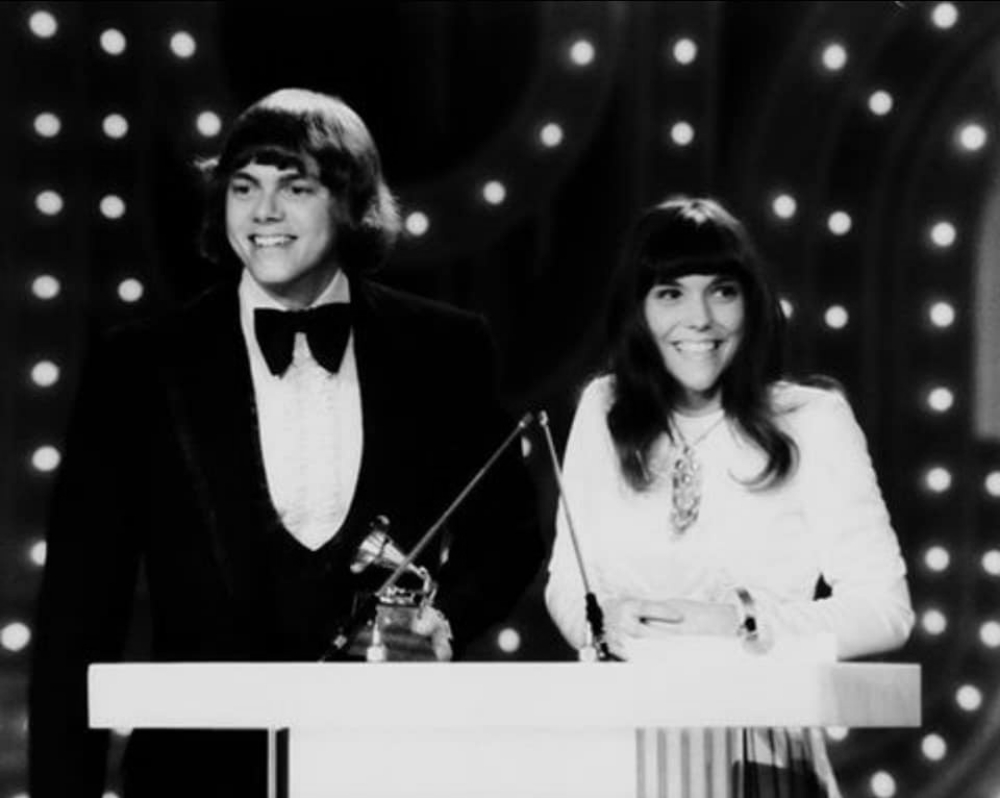
Close to You” was nominated for Record of the Year and Album of the Year at the 1971 Grammy awards. They won for Best New Artist and also for Best Contemporary Vocal Performance by a Duo, Group or Chorus.

Despite the group being derided as saccharin at the time, their musical success is undisputed. Much has been written about Karen Carpenter’s voice, her three-octave range, and soulful interpretations. The Carpenters would not, however, have been the Carpenters without older brother Richard who was the genius behind their ‘sound.’

Love ‘em or hate ‘em, The Carpenters’ style was original and Karen’s talent immense, the combination of which propelled them to the top of the pop charts. Also from the Infallible Wikipedia:

“They produced a distinct soft musical style, combining Karen’s contralto vocals with Richard’s arranging and composition skills. During their 14-year career, the Carpenters recorded ten albums, along with numerous singles and several television specials.”

From 1970 through 1973 they achieved their greatest success, appealing to a demographic who purchased their records and made The Carpenters a household name: females aged 13 to 18.

“Their career together ended in 1983 when Karen died from heart failure brought on by complications of anorexia. Extensive news coverage surrounding these circumstances increased public awareness of eating disorders. Though the Carpenters were criticized for their clean-cut and wholesome conservative image in the 1970s, their music has since been re-evaluated, attracting critical acclaim and continued commercial success.”

When I first published this post in 2019 I reserved the right to blog more about the Carpenters at a later date. Which I have on three more occasions (so far): https://barbaradevore.com/2020/02/04/goodbye-to-love/, https://barbaradevore.com/2021/08/31/wedding-woes/, https://barbaradevore.com/2023/12/05/top-of-the-world/.

No doubt they were the most influential musical group for me during my teen years. But this article is only to focus on their launch and the song Close To You. More than any other song, this one literally marks the moment I became a teenager. The start of its four weeks run on the charts coincided with my 13th birthday.

Back in the 1970’s there was really only one way to ‘blog’ – by keeping a diary. Although I couldn’t put my hands on my 1970 diary, I found a reference to this song at the end of my 1971 diary, noting when it was played on the radio.

I was so obsessed with the song that I would record it from the radio. I actually can still visualize my 13-year-old self sitting motionless and silent on my bed, cassette tape recorder on the bedside table, holding the microphone next to the radio’s speaker, while Close To You played and I captured it on tape. Kids today do NOT know how easy they have it!

Eventually I purchased the single and then the album of the same title. A much easier way to listen to it although I had to use my parents’ stereo system and my mother made me listen to my music via headphones.

My obsession even prompted me to think it was a good idea to do a lip-sync version for a competition where I needed a ‘talent.’ (Singing was out of the question and I really had no other performance talents, BTW) Taken from the pages of my 1971 diary on December 31st, I dutifully reported that “I am going to pantomime Close to You like I’m a chorus girl or something. I’m going to wear Sue’s blue velvet formal and silver shoes. If she’ll let me.”

Yes, my older sister did let me wear the dress and the shoes. Yes, it was a total embarrassment. It may have contributed to why I avoid karaoke and limit my singing to the shower and the car although my dance moves were okay.

What a blessing that Karen Carpenter – who suffered from stage fright – was able to overcome it enough to share her amazing voice with the world. But I’m not so sure the price she paid was worth it.

And a couple of links:

https://en.wikipedia.org/wiki/(They_Long_to_Be)_Close_to_You

https://en.wikipedia.org/wiki/Soft_rock

American Idol

In 2007 It took over our house…

June 11, 2024

A Tuesday Newsday Classic Updated

“This Is… American Idol!” These four words burst into our collective consciousness on June 11, 2002 and launched one of the most successful reality TV franchises in American History.

The American Idol stage

The show was an instant hit, showcasing the talent of people looking for their big break. Week after week fans tuned in to follow the stories of the lucky few selected to compete in the contest. The premise was, according to the Infallible Wikipedia, this:

The original American Idol judges Randy Jackson, Paula Abdul and Simon Cowell

“Each season premieres with the audition round, taking place in different cities. The audition episodes typically feature a mix of potential finalists, interesting characters and woefully inadequate contestants. Each successful contestant receives a golden ticket to proceed on to the next round in Hollywood. Based on their performances during the Hollywood round (Las Vegas round from the tenth through twelfth seasons), 24 to 36 contestants are selected by the judges to participate in the semifinals. From the semifinals onward the contestants perform their songs live, with the judges making their critiques after each performance. The contestants are voted for by the viewing public, and the outcome of the public votes is then revealed during a results segment. The results segment feature group performances by the contestants as well as guest performers. The Top-three results also feature homecoming events for the Top 3 finalists. The season reaches its climax in a two-hour results finale show, where the winner of the season is revealed.”

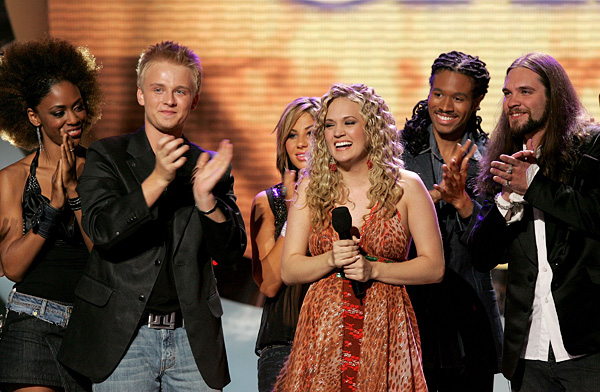
Carrie Underwood as seen during the 2005 American Idol competition

Along with the judges, viewers at home became music critics, repeating such phrases as “that was pitchy,” and “You’re going to Hollywood.” The judge everyone loved to hate, however, was Simon Cowell, who un-apologetically skewered the singing of contestants with such pithy remarks like “It was all a little bit like angry girl in the bedroom screaming on the guitar.”

I would argue that the high-water mark for the show was in 2005 with the crowning of Carrie Underwood as the winner. She has been, by far, the most successful AI alum and her win and subsequent stardom created much excitement and interest in the show. That excitement coalesced into the 2007 season with it being the number one show on TV that year. Also from the Infallible Wikipedia:

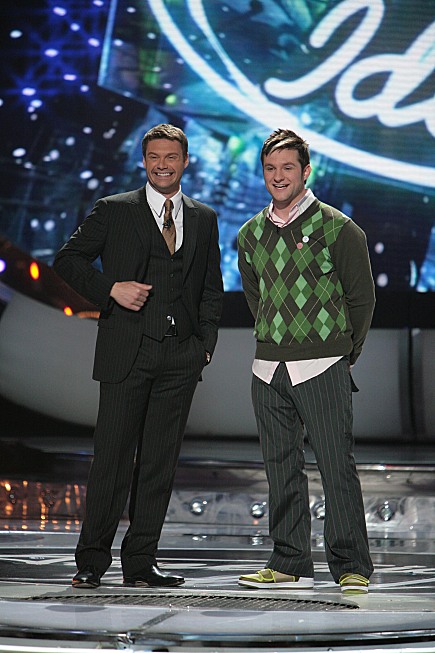
AMERICAN IDOL:  Blake Lewis and Ryan Seacrest at the Kodak Theatre in Hollywood, CA, on Tuesday, May 22 on FOX.1508

“American Idol ended the season as the top show of the 2006–2007 TV season. Its Wednesday episodes ranked first with an average of 30.02 million viewers, followed by the Tuesday episodes which averaged 29.54 million. The premiere episode became the series’ highest rated debut episode, viewed by 37.44 million viewers and receiving a 15.8/36 Nielsen rating in the Adult 18-49 demographic.”

In my household AI fever kicked in to high gear when my teenage daughter became enthralled with it and AI took over our lives. Just before 8 o’clock each evening I’d hear the thunder of her footsteps coming down the stairs and soon we were wrapped up in the drama.

That year there was extra interest as a contestant from Bothell – six miles north of where we lived – was making a name for himself on the show.

Blake Lewis was, at the time, a local Seattle musician whose beat-boxing ability provided enough novelty that he earned a golden ticket to Hollywood. At first, it seemed, the judges viewed him as a one trick pony who would not survive the first round of performances. Week after week, however, Lewis proved that he could sing. He made each song his own with original arrangements, and defied the odds, advancing in each round.

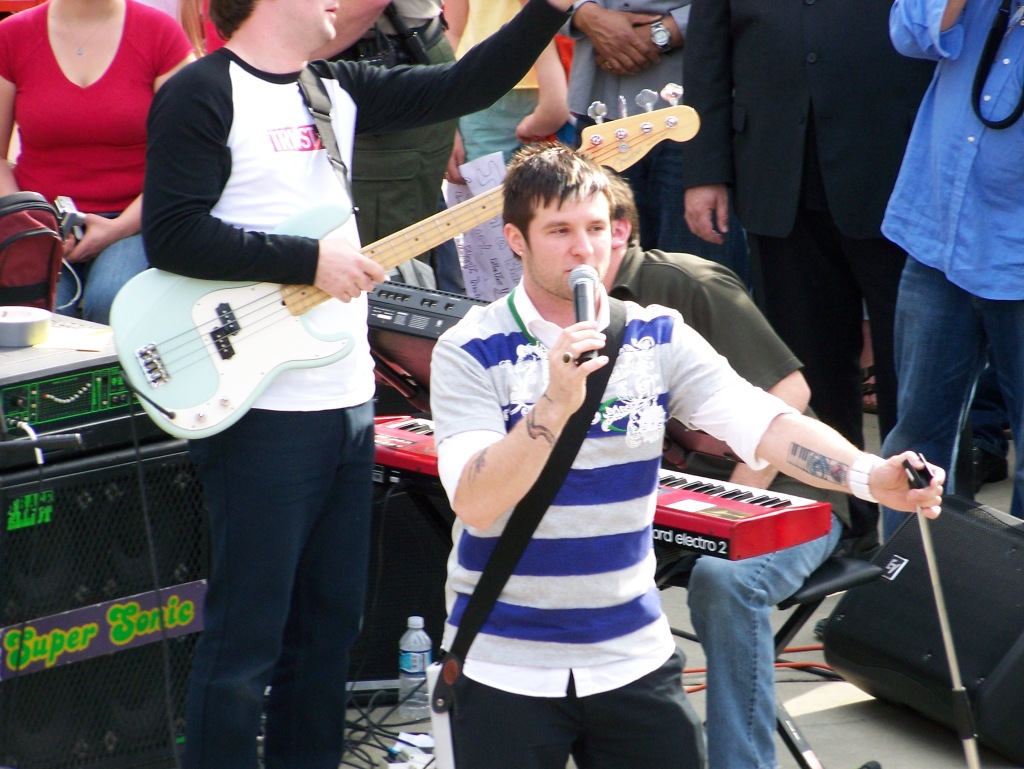
Blake Lewis at the Bothell hometown visit in May 2007

For my 14-year-old daughter and a couple of her friends, Lewis became almost an obsession like the Beatles were in the 1960’s, or David Cassiday in the 1970’s, or the Backstreet Boys in the 1990’s (It’s what 14-year-old girls are known to do!)

Of course, Mom was pulled in to that universe also, as we then had to vote for him every week. And I’m not talking about dialing the phone one time and being done. Oh no. On American Idol they encouraged the viewers to vote many, many times. Hundreds of times. Once the performances were over we’d start dialing and continue until they closed them down.

And Lewis became the last man, literally, standing.

When the contest is down to the final three it’s time for the ‘hometown’ visit. Or, as the cynic in me believes, just another way to market the AI franchise to the public.

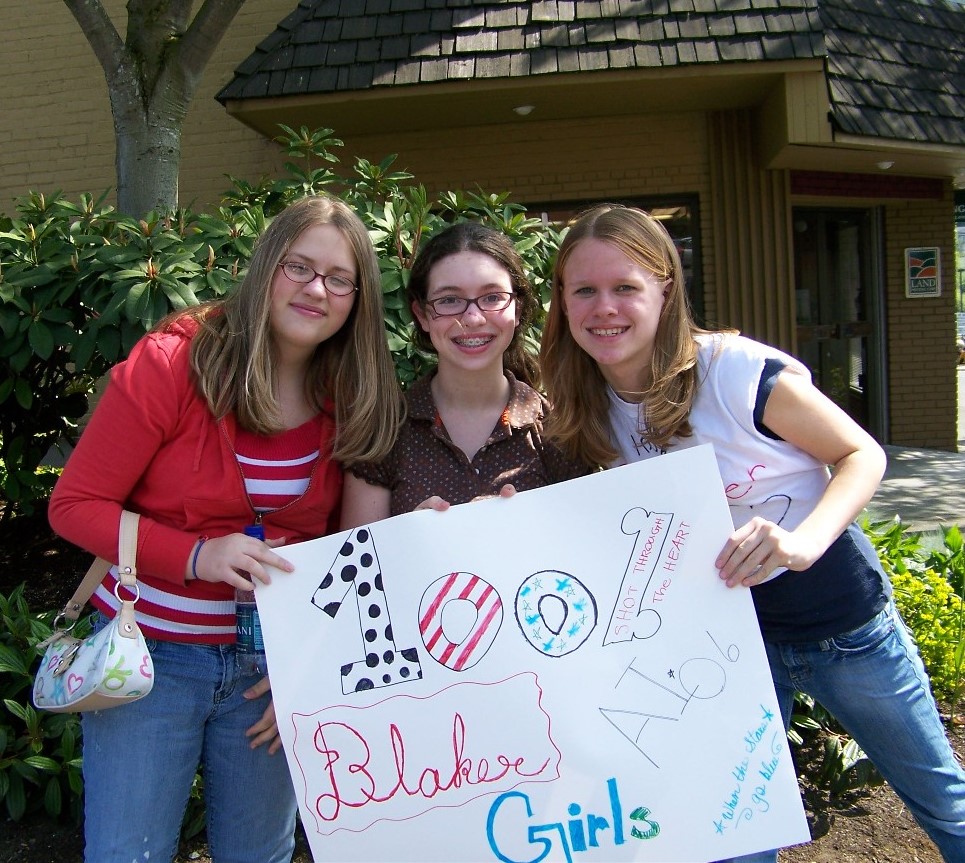
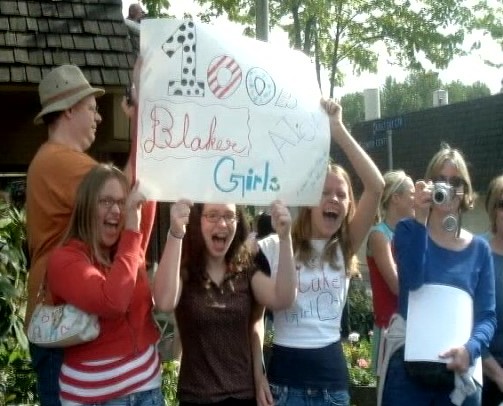
The Blaker Girls trio the afternoon of Lewis’ Hometown visit in Bothell

In the week before Lewis was to arrive in Bothell, my daughter and her friends “L” and “D” spent a couple of afternoons making t-shirts and posters and plotting the big event. Lewis’ female fans called themselves “Blaker Girls.”

During that week I became the ‘cool’ mom. I bought the many supplies and, on a warm, sunny afternoon on May 11, drove the trio of girls to Bothell so they could see ‘their’ American Idol. I figured there would be a crowd so we got there several hours in advance, secured a parking spot and joined the throng of over 7000.

The girls were not disappointed. The fans were amped up for the parade and, after a long wait, there he was… riding on the back of a Mustang convertible, smiling and waving to the crowd.

After the parade, we moved with the hoards down to the park where he was to perform live and receive his hometown hero’s welcome.

From the Seattle Time’s article:

The Bothell crowd of more than 7,000 was growing restless. Where was its American Idol?

Some teens chanted “We want Blake!” Others hoisted “We Ache for Blake” or “Bothell Boy, You Rock!” signs. And then, off in the distance, the twirling lights of police cars, the thundering beats of the Inglemoor Marching Band and Blake Lewis, all smiles and waves and two-fingered kisses, sailing down Main Street in a Mustang convertible with his beaming parents.

It was a highlight in a full day of events for Lewis that started at 8 a.m. at KCPQ/Fox studios for a television performance on the morning newscast. There was a lunchtime “mini-concert” at Seattle’s Westlake Center, a parade through downtown Bothell and another performance at the Park at Bothell Landing in the afternoon.”

Not sure who took this photo but my nephew found it… Mom with the always present camera.

Lewis ended up finishing second the next week, much to our disappointment.

For the next couple of years my daughter faithfully watched American Idol and even went to the American Idol tour with a friend in 2009. For me there has never been a more fun season than that one. I no longer watch the show, but for a few months in the spring of 2007, it was a magic time.

Update 2024: When I first posted this article in 2019, I thought that the photos and video from that day was lost. Then, during the 2020 COVID lockdown I sorted, organized, and sorted again. Lo and behold, video evidence of the visit to Blake’s Hometown parade exists!

https://youtu.be/w3aEW5qnBp8

Many thanks to my nephew Chris, who put together the photos I took that day as well as found at least one I did not take. Not sure who did, but the author appears at the 2:19 mark with camera in hand next to the screaming teens. Enjoy!

Rumours Have It

The journey of Fleetwood Mac

April 2, 2024

A Tuesday Newsday Classic updated

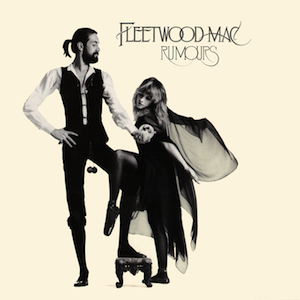
This album sat atop the Billboard charts for 31 non-consecutive weeks in 1977 and early 1978. Its chart dominance began on April 2, 1977 and, according to one of the principles of the group who recorded it, it was “the most important album we ever made.”

The album was Rumours and the group Fleetwood Mac.

Theirs is a story which shows that finding the right blend of talent, relentless commitment, and a lot of hard work, are necessary to make it in the music industry. The Fleetwood Mac story begins in 1967 as explained in the Infallible Wikipedia:

“Fleetwood Mac was founded by guitarist Peter Green, drummer Mick Fleetwood and guitarist Jeremy Spencer. Bassist John McVie completed the lineup for their self-titled debut album. Danny Kirwan joined as a third guitarist in 1968. Keyboardist Christine Perfect, who contributed as a session musician from the second album, married McVie and joined in 1970. At this time it was primarily a British blues band, scoring a UK number one with ‘Albatross’ and had lesser hits with the singles ‘Oh Well’ and ‘Black Magic Woman’. All three guitarists left in succession during the early 1970s, to be replaced by guitarists Bob Welch and Bob Weston and vocalist Dave Walker. By 1974, all three had either departed or been dismissed, leaving the band without a male lead vocalist or guitarist.”

The group was plagued by skullduggery from their manager, drug and alcohol addictions of some band members, departures of multiple guitarists, and an inability to make it big as a British Blues band. Then, in 1974 the band moved to Los Angeles. It was in that moment the magic began to happen. Also from the Infallible Wikipedia:

“After (Bob) Welch announced that he was leaving the band, Fleetwood began searching for a replacement. While Fleetwood was checking out Sound City Studios in Los Angeles, the house engineer, Keith Olsen, played him a track he had recorded in the studio, ‘Frozen Love’, from the album Buckingham Nicks (1973). Fleetwood liked it and was introduced to the guitarist from the band, Lindsey Buckingham, who was at Sound City that day recording demos. Fleetwood asked him to join Fleetwood Mac and Buckingham agreed, on the condition that his music partner and girlfriend, Stevie Nicks, be included. Buckingham and Nicks joined the band on New Year’s Eve 1974, within four weeks of the previous incarnation splitting.”

With the new members in place, the band took to the studio to record their (second!) self titled album, 1975’s “Fleetwood Mac.” It was a commercial success, selling over 7 million copies and featuring the memorable tracks: Over My Head, Say You Love Me (vocals Christine McVie), Rhiannon,  and Landslide (vocals Stevie Nicks).

In many ways, the two women’s distinctive voices came to define the group’s sound and propel their musical style towards mainstream pop.

With the release of Rumours in January 1977 and its subsequent rise to the top of the Billboard album charts, Fleetwood Mac cemented their spot in the Rock and Roll history books. The Infallible Wikipedia gives the details:

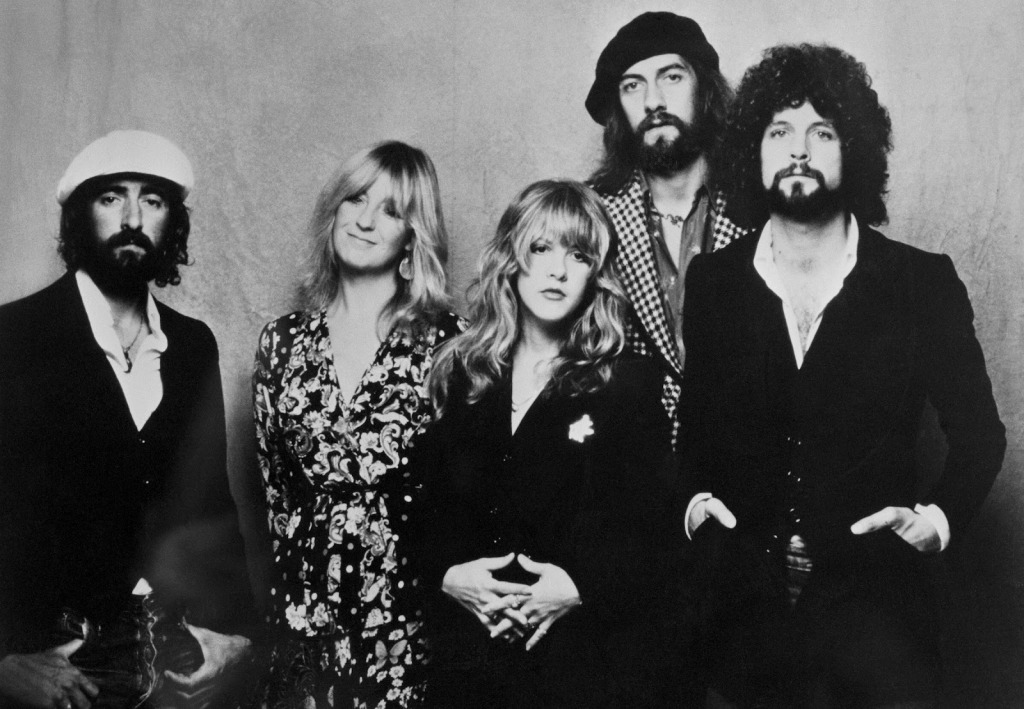
Fleetwood Mac members circa 1975, l to r, John McVie, Christine McVie, Stevie Nicks, Mick Fleetwood and Lindsey Buckingham

“By 1980, 13 million copies of Rumours had been sold worldwide. As of 2013, sales were over 40 million copies. As of May 2016, Rumours has spent 630 weeks in the UK Top 75 album chart and is the 11th best-selling album in UK history and is certified 13× platinum by the British Phonographic Industry, the equivalent of 3.9 million units shipped. The record has received a Diamond Award from the Recording Industry Association of America for a 20× platinum certification or 20 million copies shipped, making it, as of 2012, the joint fifth best-selling album in US history (by number of copies shipped).” (Ed note: it is still, as of 2019, one of the top ten best-selling albums of all time)

Although the group has continued to record and perform over the years, with some members leaving, new ones coming in, and then old ones rejoining, those of us of a certain age no doubt think of Fleetwood Mac as the following five individuals who were the group in 1977: Mick Fleetwood, Christine McVie, John McVie, Stevie Nicks and Lindsey Buckingham.

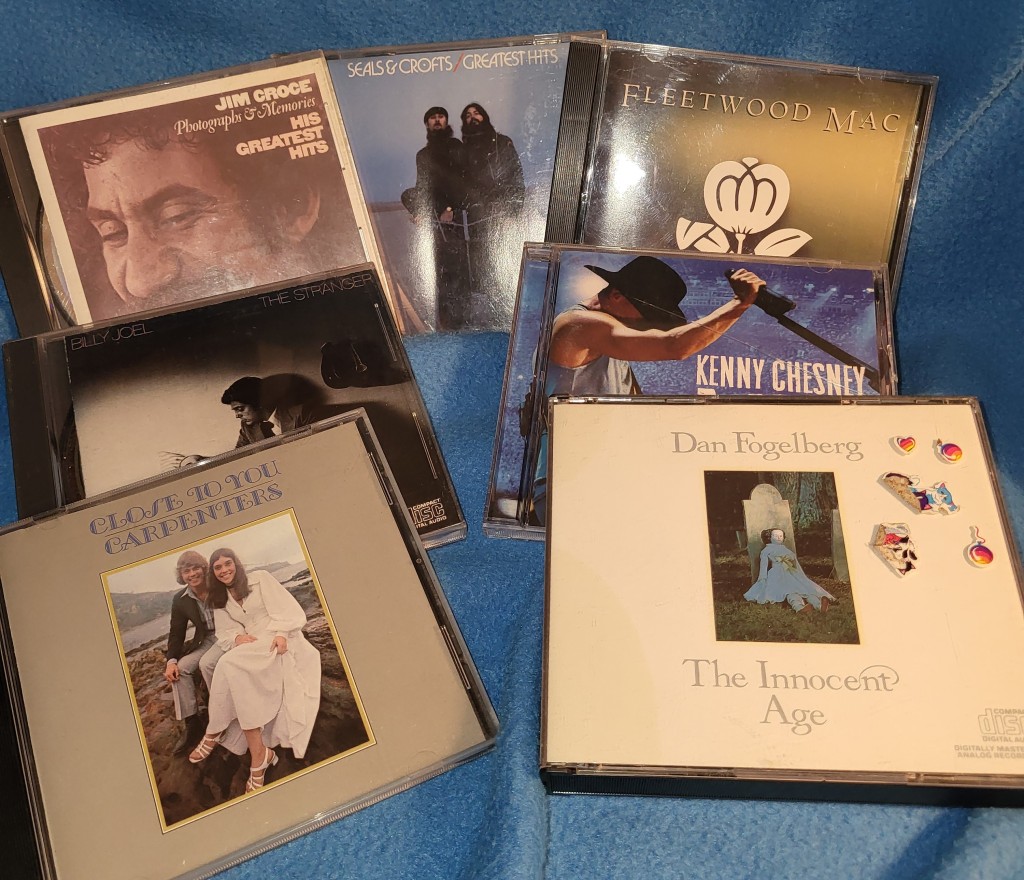
During a foray in to Value Village (a Western Washington thrift store) about a year ago I was – as is my habit – perusing the used CD’s when I spied it: Fleetwood Mac – Greatest Hits. I plucked the CD from the shelf and spirited it home. Last fall when the hubby and I were about to embark on a three week, three thousand mile, road trip, to New Mexico and back, I was forced to reduce down my box of ‘hitchhikers.’ This is what I lovingly dubbed the approximately 25 CD’s which traveled with me to Yakima and back every couple of weeks.

A few of the ‘hitchhikers’ who earned a spot in the box

The purge process involved looking at every CD we own (who knows 100? 150? 200?) and determining which of the entire CD deserved a place in the box and which had a cut or two which needed to be recorded onto a thumb drive. One by one I evaluated with the ‘thumb drive pile’ growing ever higher and the box group getting smaller. “Would I,” I asked myself with each CD, “listen to every song on this?”

There were only a handful which met that standard…  Fleetwood Mac’s Greatest Hits was one of them. Although it was not Rumours, it did have most of my favorites of theirs on it.

 It remained in the box of hitchhikers. When we bought our Hyundai Santa Fe in the summer of 2020 it did not have a CD player. To play my favorites I had to completely switch to the thumb drive.

Six months after this article was published, I lost my dad and the frequent trips to Yakima became a thing of the past. The box of hitchhikers now resides in a cupboard but the thumb drive lives in the center console of the Santa Fe. On the occasional longer trip I often plug it in to spend time with my favorite old friends including, Mick, Christine, Lindsey, and Stevie.

And every so often I peruse the CD collections at Goodwill and Value Village in search of the 1975 self-titled ‘Fleetwood Mac’ CD. Why? Because the song “Landslide” is, sadly, not in my collection and is, by far, my favorite of Fleetwood Mac’s songs. There is still plenty of room on the thumb-drive for a couple more song. Rumours have it.

For those not familiar with “Landslide”, here it is. Enjoy!

The FM story is fascinating and far too much to include in my weekly blog. Thankfully Wikipedia provides exhaustive information for those interested:

https://en.wikipedia.org/wiki/Fleetwood_Mac

https://en.wikipedia.org/wiki/List_of_Billboard_200_number-one_albums_of_1977

https://en.wikipedia.org/wiki/Rumours_(album)

https://en.wikipedia.org/wiki/Landslide_(Fleetwood_Mac_song)

Elton John

“I never knew me a better time, and I guess I never will.”

January 30, 2024

A Tuesday Newsday Classic Updated

In the past 50 years there has not been an artist, more than this one, who has provided the soundtrack for our lives. He embodies the concept of be ‘an original’ and has, since the beginning of his long career, gone his own way. In addition to his commercial success, he’s been recognized by his own country and was knighted on January 30, 1998.
The musician: the one, the only, and never imitated, Elton John.

Although he was born Reginald Dwight, he changed his name to Elton John in 1967, after several years in the music industry. From the Infallible Wikipedia:

“In 1967, Dwight answered an advertisement in the British magazine New Musical Express, placed by Ray Williams, then the A&R manager for Liberty Records. At their first meeting, Williams gave Dwight an unopened envelope of lyrics written by Bernie Taupin, who had answered the same ad. Dwight wrote music for the lyrics, and then mailed it to Taupin, beginning a partnership that still continues. When the two first met in 1967, they recorded what would become the first Elton John/Bernie Taupin song: ‘Scarecrow’. Six months later Dwight was going by the name ‘Elton John’ in homage to two members of Bluesology: saxophonist Elton Dean and vocalist Long John Baldry.”

The list of memorable songs written by the duo – and performed by Elton John – is amazing. From his very first top 40 hit – Your Song – and continuing on with hit after hit through the 1970’s and 1980’s, the songs are memorable and often poignant.

Your Song – easily my favorite of all of his songs

Ironically, Elton did not win a solo Grammy Award until 1995… 24 years after his first nomination. The 1995 award was for Best Male Performance for the Song Can You Feel the Love Tonight? from the Disney hit movie The Lion King. In all, he has been nominated for Grammy’s 33 times and won five times.

He was honored with the Grammy Legend Award in 1999, an honor given to the select few whose lifetime achievements are notable.

As a teenager in the 1970’s you could not turn on the radio without hearing many of Elton John’s songs. One song in particular stands out for me. It was December of 1972 and I was a sophomore in high school. And there was a guy – Ron – who was in my French class. New to my high school, his family had moved to Yakima sometime that fall. We soon became friends, chatting before and after class and we went to several Eisenhower High School basketball games together that December.

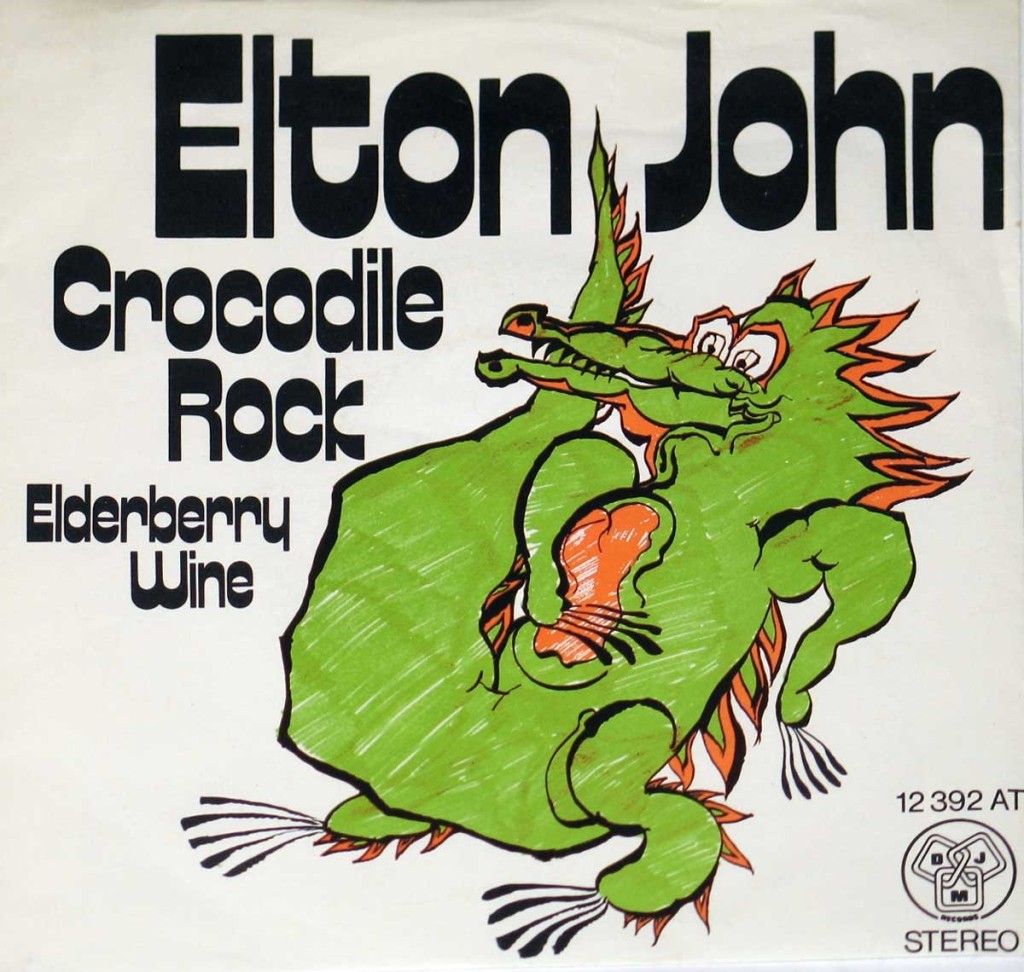
But it was one particular Elton John song which, having been released in the US on November 20, I associate with Ron. Crocodile Rock made the Billboard Hot 100, debuting at number 73. It climbed to #30 by December 18th. Crocodile Rock was Elton John’s first number one hit in the US, staying atop the charts for three consecutive weeks from February 3rd through the 17th in 1973.

To this day, whenever I hear Crocodile Rock I am immediately transported back to December of 1972. Although the song is about an earlier era, for a 15 year old girl garnering male attention for the first time in her life, the song seemed to encapsulate the fun of life: of going to a Friday night basketball game with a guy I liked, talking with him after class and in the library, getting teased by my friends about my new ‘boyfriend,’ and trying -and pretty much failing – to navigate the choppy waters which are teenage romances.

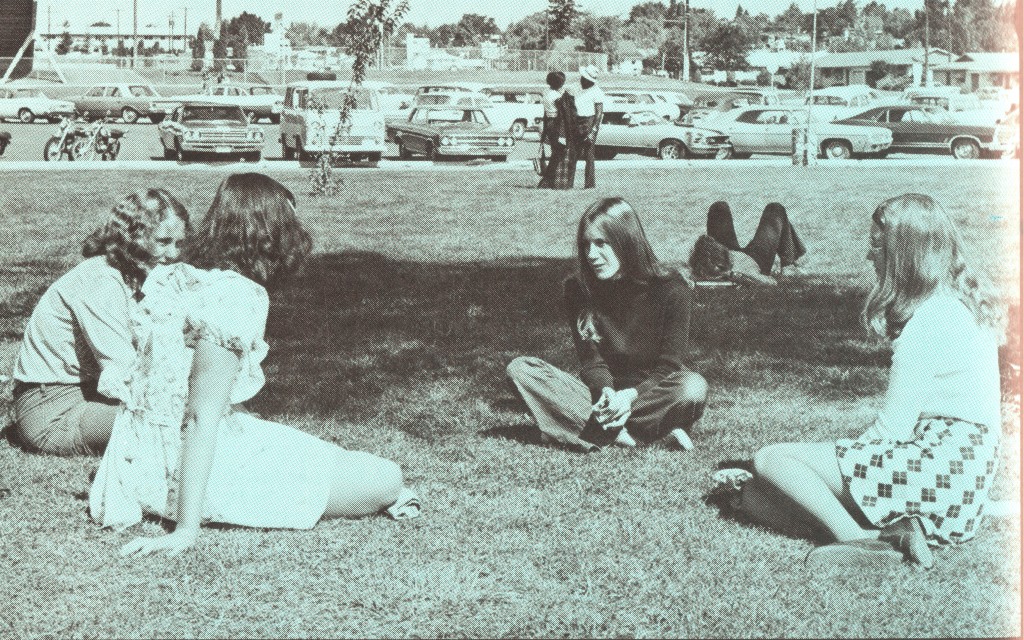
The author (center facing the camera) early fall of 1972 at Eisenhower High school with my friends Cindy, Daphne, and Kathy. This photo appeared on page 8 of the photo essay section of the 1973 annual.

There is a poignancy to the lyrics when one line proclaims “I never knew me a better time, and I guess I never will.” Somehow this song not only laments the slipping away of the rock and roll of the 1950’s and 60’s but speaks to how quickly the teenage years pass us by and how we simply do not appreciate what a unique and special time they are.

Elton John announced in 2018 that he was doing one ‘last’ tour dubbed ‘Farewell Yellow Brick Road’. From the website:

“These dates mark Elton’s last-ever tour, the end of a half a century on the road for one of pop culture’s most enduring performers. The new stage production will take his fans on a musical and highly visual journey spanning a 50-year career of hits like no one has ever seen before.”

True to his word, it WAS his final tour. But he has written a book – ‘Farewell Yellow Brick Road: Memories of My Life on Tour’ – which is scheduled to be released on September 24, 2024.

For more information about Sir Elton, be sure to check out these links:

https://en.wikipedia.org/wiki/Elton_John

https://www.eltonjohn.com/stories/farewell-yellow-brick-road-memories-of-my-life-on-tour-set-for-release

https://en.wikipedia.org/wiki/Elton_John_singles_discography