But Which One Was First?
November 2, 2021
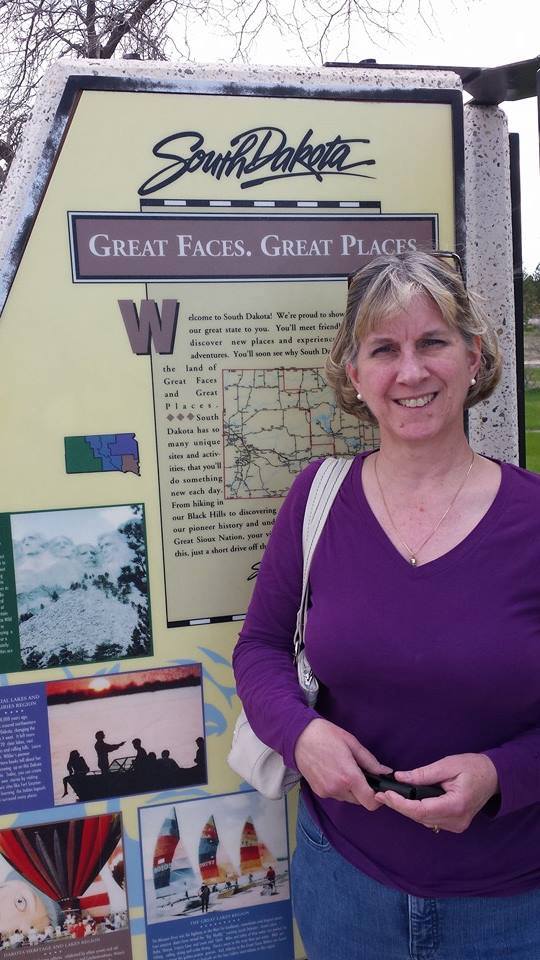
Up until November 2, 1889, this region was collectively known as Dakota Territory. But it was on that date when the two were split and became the 39th and 40th states in America. But which was first? South Dakota or North Dakota? No one knows for sure.
The Infallible Wikipedia shares the following story:
“As the southern part of the former Dakota Territory, South Dakota became a state on November 2, 1889, simultaneously with North Dakota. They are the 39th and 40th states admitted to the union; President Benjamin Harrison shuffled the statehood papers before signing them so that no one could tell which became a state first.”

Or, if you prefer it from the perspective of the other half:
“North Dakota was admitted to the Union on November 2, 1889, along with neighboring South Dakota, as the 39th and 40th states. President Benjamin Harrison shuffled the statehood papers before signing them so that no one could tell which became a state first; consequently, the two states are officially numbered in alphabetical order.”
Sure sounds like North Dakota thinks they were first. For those paying attention, there were four states admitted to the union in November 1889. Besides these two, Montana and Washington were welcomed on November 8th and 11th respectively. But back to the Dakotas.
I find it interesting that they were split north and south since in reading about them geographically, an east/west split would have probably made more sense. The Eastern half of both states are considered part of the Great Plains with climates and an emphasis on agriculture which reflects this. For both states, the majority of their populations live in the Eastern half.
West of the Missouri river – which bisects all of South Dakota and most of North Dakota – the terrain changes. One notices that there are more mountains and the landscape is more rugged as the climb towards the Rocky Mountains begins.
Both states have abundant natural resources particularly gold in South Dakota, rich oil deposits in North Dakota.
The number of folks who call each state home live in their cities as follows for South Dakota:
“Sioux Falls is the largest city in South Dakota, with a 2010 population of 153,888, and a metropolitan area population of 238,122. The city, founded in 1856, is in the southeast corner of the state. (snip)
Rapid City, with a 2010 population of 67,956, and a metropolitan area population of 124,766, is the second-largest city in the state. It is on the eastern edge of the Black Hills, and was founded in 1876. (snip)
The next eight largest cities in the state, in order of descending 2010 population, are Aberdeen (26,091), Brookings (22,056), Watertown (21,482), Mitchell (15,254), Yankton (14,45), Pierre (13,646), Huron (12,592), and Vermillion (10,571)”
North Dakota’s cities are even smaller with Fargo, based on 2021 estimated numbers, coming in the largest at 125,804 residents. The next nine are:
Bismarck (74,129), Grand Forks (54,243), Minot (47,236), West Fargo (38,654), Williston (32,189), Dickinson (24,007), Mandan (23,190), Jamestown (14,840), Watford City (9,345)
I compared these numbers to the three cities of Bellevue, Kirkland, and Redmond, Washington – where the family lived for many years – which has a combined population of about 331,000 people. King County claims 2.3 million people. The two Dakota states combined have about 1.67 million population.
Over the years, the hubby, the kids, and me, have been to both North and South Dakota. Never more than a few days at a time and mostly as brief stops to visit a National Park, Monument, or to spend the night on the way somewhere else.
After the hubby I were married in 1980 something, we drove east on our way to Illinois so that I could meet his older sister and her family. It was day four of our drive when I first saw South Dakota. Well, that’s not entirely accurate. I cannot claim actually ‘seeing’ much since we arrived at the hotel where we were able to get reservations in the middle of the night. It was now September 3rd.
After a short night’s sleep, we were up and out the door by 9 a.m. I wrote about that day with the following:
“Our major stop of the day was at Mt. Rushmore. We saw the presidents and then had a picnic lunch on the shores of Horsethief Lake. We barbequed 3 veal cubesteaks on the hibachi.

By 1:30 we left Rapid City, S.D. and headed east on I-90. We drove all day until we got to the Lake Vermillion Recreation area, only to discover that it was no longer a picnic area (or a campground as shown on our AAA map!)
We almost cooked dinner there, but gusty winds made us decide differently. We also learned why it was called Lake Vermillion as just at sunset, the lake turned a deep, blood red color. It was quite pretty against the deep green grass along its bank and the blue and purple puffed clouds in the eastern sky.
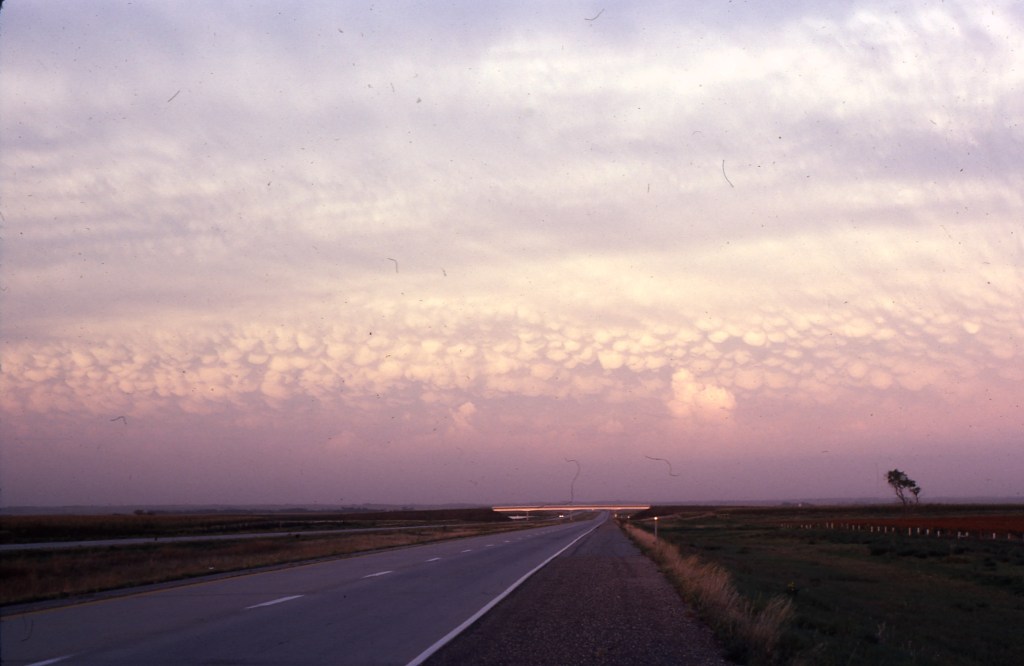
Sioux Falls was only a few miles down the road so we decided to eat there. We also decided to stop there – instead of in Fairmont, Minn – when we saw a huge thunder and lightning storm boiling up in front of us.
We stayed at the ‘Thrifty Scot Motel.’ We ended up eating dinner at the “Happy Chef’ – a VIP’s or Sambo type restaurant.* We tried to eat at a Mexican restaurant but it had closed by the time we found it.
One nice feature of the Thrifty Scot was that they had doughnuts and Orange juice for breakfast at no extra cost. We paid $22 for our room there.”

A few things come to mind as I read this account from 40 some years ago. One, anyone under the age of 60 has likely NEVER heard of VIP’s since the last of the chain of 53 restaurants closed in 1988. Two, you can be forgiven for not knowing what a Sambo’s is either as it filed for Chapter 11 in 1981. The owners, Sam Battistone Sr. and Newell Bohnett, combined their names to get the name “Sambo’s” never intending it to be associated with the popular 1899 children’s story of the Indian boy Sambo who turns tigers to butter.
I also guess that the Thrifty Scot was ahead of its time, giving ‘breakfast’ to the travelers for free. J Nowadays, I’d likely skip both the doughnut and the OJ.
In all fairness to North Dakota, we traversed THAT State on the return from Illinois. Unfortunately, I was sick which prompted a stop in Fargo at the emergency clinic, the acquisition of a sulfa prescription for a bladder infection, and then spent the night in the highly entertaining town of Bowbells. (Population 587 in 1980… now about 336) Which is also a story for another post or, possibly, the basis for a work of fiction.
Personally, I think everyone who has the time and the means should attempt to visit every state in the United States. There are interesting things to see and do and one gets a different perspective when one goes beyond the familiar surrounds of where they live.
For more information about the two Dakotas and other items in the post here are some links:
https://en.wikipedia.org/wiki/North_Dakota
https://en.wikipedia.org/wiki/South_Dakota
https://en.wikipedia.org/wiki/Sambo%27s
https://en.wikipedia.org/wiki/VIP%27s_(restaurant)
https://en.wikipedia.org/wiki/Bowbells,_North_Dakota
https://en.wikipedia.org/wiki/The_Story_of_Little_Black_Sambo
















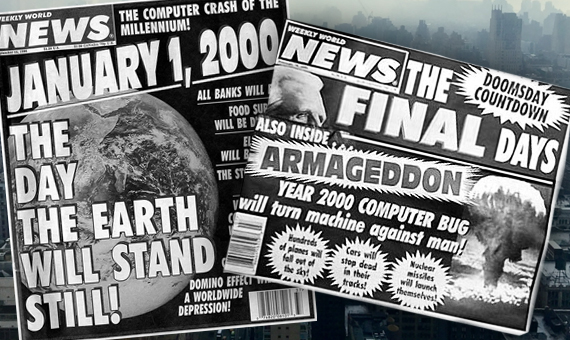





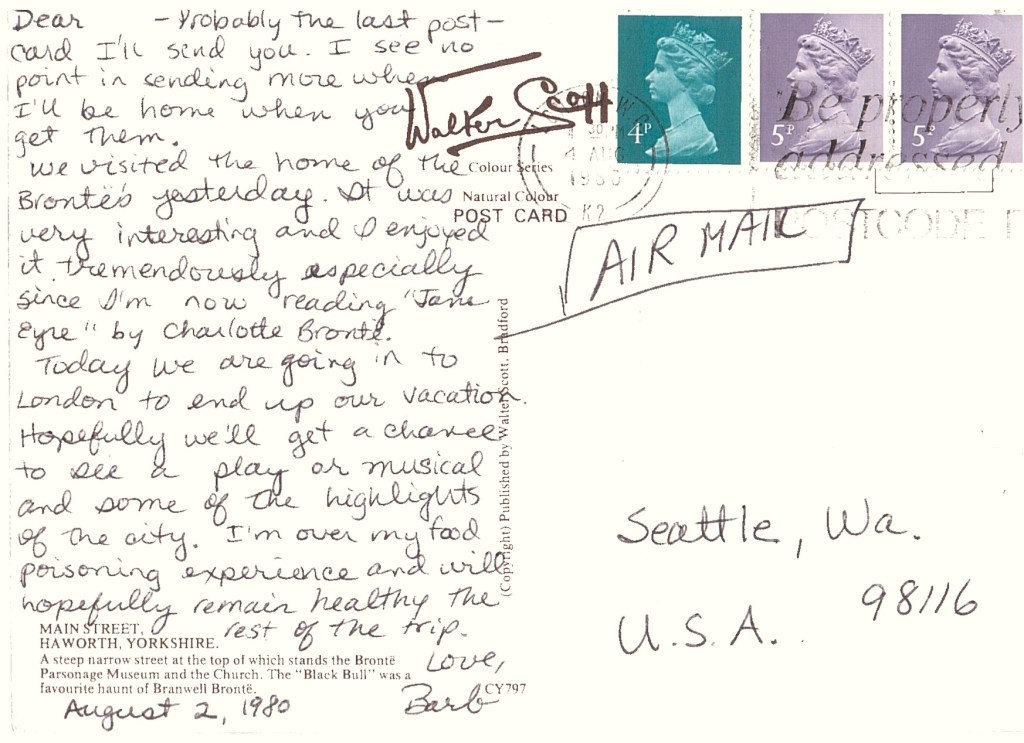


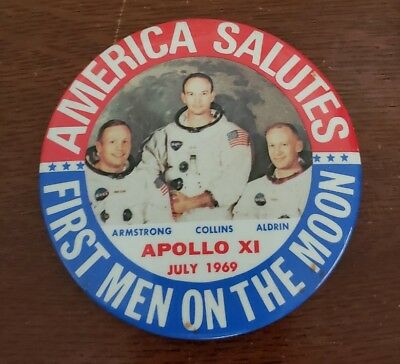 These words were spoken at 2:56 a.m. (UTC) on July 21, 1969 when astronaut Neil Armstrong took the first steps on the moon.
 The Soviet Union competed with the US in the Space Race, but its early lead was lost through repeated failures in development of the N1 launcher, which was comparable to the Saturn V. The Soviets tried to beat the US to return lunar material to the Earth by means of un-crewed probes. On July 13, three days before Apollo 11’s launch, the Soviet Union launched Luna 15, which reached lunar orbit before Apollo 11. During descent, a malfunction caused Luna 15 to crash in Mare Crisium about two hours before Armstrong and Aldrin took off from the Moon’s surface to begin their voyage home. The Nuffield Radio Astronomy Laboratories radio telescope in England recorded transmissions from Luna 15 during its descent, and these were released in July 2009 for the 40th anniversary of Apollo 11.”
 I really can’t recall who won the Casino game, so I’ll just claim I did and squabble with my brother when he reads this. And, BTW, Mr. P., the Shaw and Sons little league guy was out. That’s what Dad always said. Higher and Higher. Cherry Cola. Sibling rivalry and inside jokes are the best.
 barbaradevore.com