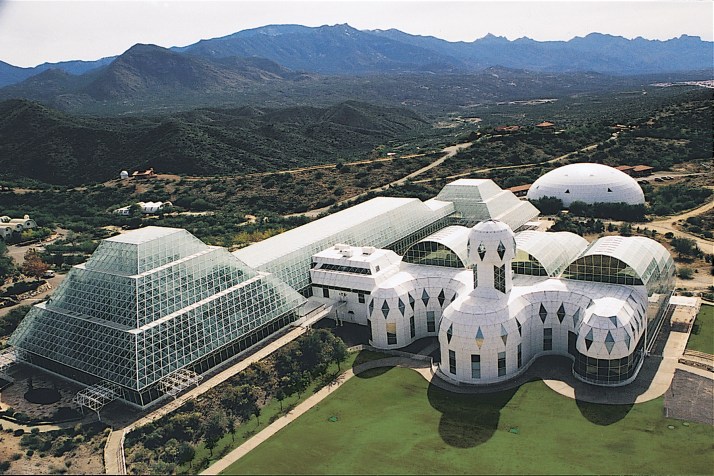
It was the stuff of science fiction when, on September 26, 1991, four women and four men entered the project known as Biosphere 2.
Located in the Arizona desert forty-one miles northeast of Tucson, the facility was developed in hopes of learning how colonization on other planets might work. The idea was that these eight scientists would live within the biosphere complex for two years and would grow their own food and manage all aspects of their world without help or interference from outside sources.
Inside Biosphere 2 were five distinct ecosystems. From the infallible Wikipedia:
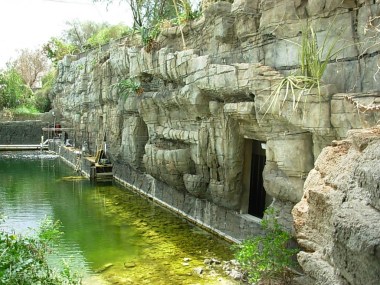
“Its five biome areas were a 1,900 square meter rainforest, an 850 square meter ocean with a coral reef, a 450 square meter mangrove wetlands, a 1,300 square meter savannah grassland, a 1,400 square meter fog desert, a 2,500 square meter agricultural system, a human habitat, and a below-ground infrastructure. Heating and cooling water circulated through independent piping systems and passive solar input through the glass space frame panels covering most of the facility, and electrical power was supplied into Biosphere 2 from an onsite natural gas energy center.”
For those of us not trained in meters, I did the approximate calculations. Rainforest= 6,000 square feet. Ocean=2,800 square feet. Mangrove=1476 square feet. Savannah = 4300 square feet. Fog Dessert=4600 square feet. Agricultural =8200 square feet. That adds up to 27,376 square feet or over five square miles.
As one can imagine, the project was beset with problems including not enough oxygen, dietary issues and – when one of the biospherians became ill and was removed from the project for a time – if outside intervention was justified. When the first experiment ended on September 26, 1993, plans were already underway for another set of scientists to participate in a second project:
“Biosphere 2 was only used twice for its original intended purposes as a closed-system experiment: once from 1991 to 1993, and the second time from March to September 1994. Both attempts, though heavily publicized, ran into problems including low amounts of food and oxygen, die-offs of many animals and plants included in the experiment, squabbling among the resident scientists, and management issues.”
Personally, I find it difficult to envision what it would be like to exist for two years in only five square miles and with the same 7 people as your daily companions. From a writer’s perspective, however, I think this is a fascinating premise for a science fiction book (with romantic elements perhaps?). Had someone researched and written such a book? I wondered. Indeed they have. The Terranauts, by TC Boyle, was published in October 2016 (hardback) with the paperback version set to be released on October 3 this year. Although I have not yet read the book I have requested it from the King County Library. It will be a perfect diversion for some upcoming blustery day when I can enjoy the wonderful changing seasons from inside my climate controlled dwelling on this planet which is Biosphere 1.
Here’s the links to Wikipedia and Amazon where you can read more about Biosphere 2 and read reviews on the novel:
If you happened to miss The Great Solar Eclipse of 2017 on August 21, take heart. Solar eclipses happen once every 18 months or so, on average. And if you want to see one on August 22nd… well, you also missed that opportunity as the last time there was an eclipse on this date was in 1998 and it crossed over the south Pacific.
The eclipse this year was part of a series which are known as metonic eclipses which occur every 19 years. From the infallible Wikipedia:
“The metonic series repeats eclipses every 19 years (6939.69 days), lasting about 5 cycles. Eclipses occur in nearly the same calendar date. In addition the octon subseries repeats 1/5 of that or every 3.8 years (1387.94 days).”
For your next opportunity in the United States you will have to wait until April 8, 2024… and even then to be in the path of totality you will need to be in a narrow band which stretches from San Antonio through Dallas, Texas and then on through Arkansas, Missouri, Illinois, Indiana and Ohio before it skirts the northern edges of Pennsylvania, New York, Vermont and New Hampshire. Maine gets a fair amount of it before it slides on over New Brunswick and Newfoundland.
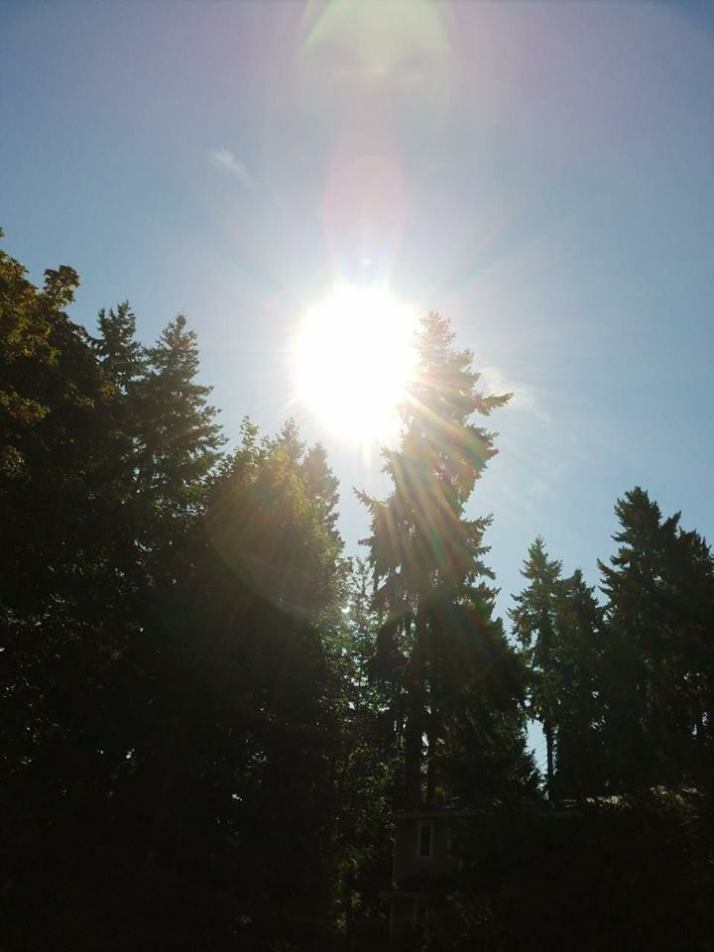
Although I did not go to Madras, Oregon to witness totality I did enjoy the dimming of the sun and how the earth cooled during the event. The photo posted above was taken by my husband in our backyard and, as my daughter said when she saw this photo (I paraphrase as this is a family friendly blog) “Well, that’s some creepy stuff.”
I also experienced the eclipse of February 26, 1979. I was a Senior at the University of Puget Sound and it was eerie how the world got quite dark and the birds started to twitter as though it was sunset. A very memorable experience even if it was cloudy that day. (Not a surprise it WAS winter in Western Washington)
Here are several links to information about the three eclipses mentioned:
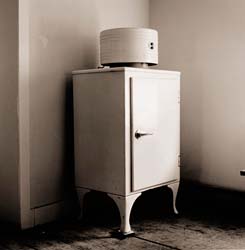
This invention, which was patented on August 8, 1899, ranks right up there with my two most favorite inventions: electricity and flushing toilets.
Refrigeration revolutionized how our food is processed and stored. Without this invention – which includes the freezer- women would still be spending up to 8 hours a day in the preparation and storage of food. But refrigeration has freed up hours and hours of woman hours that can now be devoted to other pursuits.
Personally, I love the refrigerator because it makes it harder for those two miscreants, Sam and Ella, to hang out at my house and wreak havoc. But also because I can put things in the fridge and they’ll stay there for months and months before my hubby cleans out the really old stuff to make room for wonderful fresh food! It’s magical really. Kind of like the magic table in this clip:
No matter how many times I view this video it makes me laugh. That poor guy probably never knew what happened.
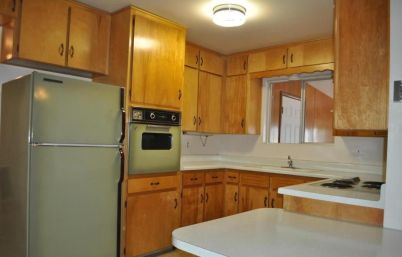
Growing up, our family had the very latest in a refrigerator. Yes, the always popular avocado green model. I’m not really sure why people loved that color, but it was a thing in the 1970’s. We also had the avocado green range. I can’t recall on the dishwasher. I do know my Mom’s first dishwasher was a portable white one which was rolled over to the sink and attached via hoses to the faucet. Seems like when that one failed the new one was avocado green.
When the hubby and I bought our fixer upper house in 1981, there was not a dishwasher. So we did what any young couple with a house but zero money for anything else did: we went to the Sears scratch and dent store. It was located in the building which is now Starbucks headquarters on First Avenue South in Seattle.
And just like my mom’s kitchen a portable dishwasher was needed. We had to buy a skinny minny sort of model so it could fit in the small space available. And it was avocado green with a butcher block top. Double duty! Not only did it wash dishes but it served as a cutting board. It looked something like the one pictured here, but much, much smaller. We were livin’ the dream!
This fridge looks a lot like the one in my parents home… as do the cupboards.
See a penny, pick it up… All day long you’ll have good luck.
Which is especially true on May 23rd, National Lucky Penny Day!
Most everyone has, I would imagine, found a penny on the ground. Some people will only pick up those where Lincoln’s image is face up believing that it’s actually bad luck to pluck a penny which has been laying face down.
I don’t go with that because any day I find money on the ground is a good day.
Whenever I find a coin I look at the date and then I like to think about significant life events from that year.
The U.S. penny was first minted in 1793 and has, as you might imagine, gone through some changes over the years. Until 1857 it was composed of one hundred percent copper. The amount of copper was reduced over time in an effort, partially, to keep the amount of copper in it equivalent to the value of the coin. Another reason for less copper was that the metal became a very valuable commodity for the production of weapons.
For a time they were made of bronze, brass, and even steel during WWII. Today’s coins are a combination of copper and zinc and the metals in them are worth more than the face value of the coin.
Did you know that until 1857 a penny was about the same size as today’s Susan B. Anthony dollar coin?
And, of course, the designs have varied over the years with today’s Lincoln head penny being the standard since the Centennial of his birth in 1909. In the past few years the obverse has changed and special set of four coins were struck in 2009 in honor of Lincoln’s birth bicentennial. From the infallible Wikipedia:
Birth and early childhood in Kentucky: this design features a log cabinand Lincoln’s birth year 1809. (snip) It has been nicknamed the “Log Cabin Penny”.
Formative years in Indiana: this design features a young Lincoln reading while taking a break from rail splitting. (snip) It’s called the “Indiana Penny”.
Professional life in Illinois: this design features a young professional Lincoln standing before the Springfield Illinois State Capitol. (snip) It’s been dubbed the “Illinois Penny.”
Presidency in Washington, D.C.: this design features the half completed Capitol dome.
The Lincoln Memorial design was permanently retired and, following the special 2009 mint, the Union Shield in now the obverse design.
So if you find a penny on the ground today, pick it up. It might just bring you luck!
This is the Tuesday Newsday Post from May 2, 2017, updated with an additional personal story.
My exhaustive search for an interesting tidbit for May 2nd turned up very little. It would seem that everyone was tired after all of the May Day activities on May 1st.
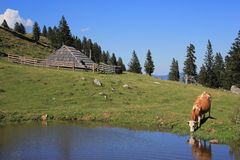
May 1st, like some of its calendar counterparts in the fall and winter, is a significant date. Prior to it becoming International Workers Day to honor labor, it was also the date of the ancient celebration of Beltane. This event was one where the women were excited because they could FINALLY get the cows out of the house and drive the beasts to the field. Kind of the equivalent of the mom who tells her kids “Go outside and play!” They followed up this bovine removal by making a huge bonfire and, I would surmise, to burn all the straw that – after many months of being the peasants version of rugs – undoubtedly assaulted the poor woman’s olfactory senses and encouraged the proliferation of vermin.
A huge outdoor feast was held around the bonfire. We refer to this as ‘camping.’ No doubt the men stood around the fire drinking mead all night and the celebration became rowdier and rowdier. This would, of course, lead to men doing stupid things… like jumping through the fire. From the Infallible Wikipedia:
“According to 18th century writers, in parts of Scotland there was another ritual involving the oatmeal cake. The cake would be cut and one of the slices marked with charcoal. The slices would then be put in a bonnet and everyone would take one out while blindfolded. According to one writer, whomever got the marked piece would have to leap through the fire three times. According to another, those present would pretend to throw him into the fire and, for some time afterwards, they would speak of him as if he were dead. This ‘may embody a memory of actual human sacrifice’, or it may have always been symbolic.”
But back to the long-suffering wives. I can only imagine that May 2nd was THEIR day of celebration. The cows were now out of the hovel, it was as clean as it would ever be and, with their men passed out from too much drink, it was a time to kick back and enjoy one day without backbreaking labor.
It’s at times like these when I reflect on all our modern conveniences: houses with central heating, running water, heck- hot water from the tap, flushing toilets, supermarkets. There are so many things to be thankful for in today’s world. It is nearly impossible to imagine what life was like for our ancestors hundreds of years ago.
Camping, perhaps, gets us as near to how it might have been. As I was growing up my mother would have nothing to do with activities which involved sleeping out in the forest. It was definitely not her thing. That might have been because it WAS my grandmother’s thing and my Mom hated being dragged out into the wilderness as a kid.
I suppose having not been introduced to the activity when I was young, I found the concept exciting and intriguing. I dabbled in backpacking on a couple of adventures with my BFF Daphne when we were about 20. Certainly the hubby and I had any number of memorable camping adventures, sleeping in tents and cooking over campfires, as we traversed the Western US in our early married years.
I think it was our very first camping experience, however, which stands out and serves as a reminder of how difficult it can be to not have running water, flushing toilets, and a decent kitchen.
The year is 1979 and we have been dating for a couple of months when the boyfriend – now the hubby – has signed up to run the seven mile Chuckanut Foot Race in Bellingham. The run is on Saturday morning, July 7th, and our plan is that after the race is over we are going to drive up to the North Cascades via Highway 20 and go camping. I live in Eatonville, Washington – an hour’s drive from West Seattle – where he lives. From there to Bellingham is another hour and a half-ish. I had gone to West Seattle on Friday night so we could get and early start and make it to the race the next morning.
Having a good time exploring the North Cascades with nary a care in the world.
By the time we get there and he runs it and then eat lunch and then dink around seeing the sights and meandering our way up Highway 20, the day is nearly over.
Being young and clueless, it never occurred to us that perhaps there would NOT be a campsite miraculously waiting for our arrival. By the time we get to the campground it is near dusk and the place is full.
Ever determined, we find a service road that goes between two campsites and one of the occupants of the adjacent campsite says, sure, put your tent up there, we’ll never tell.
So there we are, struggling to get the tent set up (it was a monstrosity – an old canvas tent from the 1950’s which must have weighed 150 pounds. JK. No idea how much it weighed, but it was heavy) in the near dark and we haven’t even gotten to fixing dinner.
Eventually, with the tent erected, we turn our attention to dinner. Thank goodness for canned foods because we were exhausted and cooking was NOT on my agenda. The BF got his little charcoal fueled hibachi going and we opened a can of ravioli and a can of asparagus. I cannot recall if we had an actual pan. I think we did have ONE pan, but perhaps we didn’t. What I do know is that we ended up sharing whatever container between us and not using plates. We heated the asparagus first and ate that, then the Ravioli. Truly, the ONE thing which made the whole ridiculous situation bearable was that we had a bottle of champagne – well not real champagne as it was Andres.
After finishing the food and the entire bottle of Andres, I crept off into the bushes to take care of business and then crawled into the sleeping bag for the night. The one pan and two plastic cups were dirty but I didn’t care.
The BF( now the hubby) carrying the Hibachi out from our ‘campsite’ the next morning
That experience alone should have been enough to deter us but it wasn’t. We got smarter about what we packed and we upgraded our camping equipment over time. A little gas powered stove. Containers of water. A lighter weight tent. Air mattresses. A tent trailer. A bigger trailer. Hotel rooms.
But one thing has endured over the years. Any time we’ve gone on a camping trip we always have Ravioli, Asparagus, and Bubbly, on our first night camping. And for a few nights or a week, a camping adventure is fun but not as a way of life. I’m much too reliant on my creature comforts, not to mention that sleeping on the ground in a sleeping bag on top of an air mattress which will, undoubtedly, go flat in the middle of the night is not my idea of a fun time.
And Andres. We no longer drink that either. Gotta draw the line somewhere.
 It was the stuff of science fiction when, on September 26, 1991, four women and four men entered the project known as Biosphere 2.
 “Its five biome areas were a 1,900 square meter rainforest, an 850 square meter ocean with a coral reef, a 450 square meter mangrove wetlands, a 1,300 square meter savannah grassland, a 1,400 square meter fog desert, a 2,500 square meter agricultural system, a human habitat, and a below-ground infrastructure. Heating and cooling water circulated through independent piping systems and passive solar input through the glass space frame panels covering most of the facility, and electrical power was supplied into Biosphere 2 from an onsite natural gas energy center.”
 As one can imagine, the project was beset with problems including not enough oxygen, dietary issues and – when one of the biospherians became ill and was removed from the project for a time – if outside intervention was justified. When the first experiment ended on September 26, 1993, plans were already underway for another set of scientists to participate in a second project:
 If you happened to miss The Great Solar Eclipse of 2017 on August 21, take heart. Solar eclipses happen once every 18 months or so, on average. And if you want to see one on August 22nd… well, you also missed that opportunity as the last time there was an eclipse on this date was in 1998 and it crossed over the south Pacific.
 This invention, which was patented on August 8, 1899, ranks right up there with my two most favorite inventions: electricity and flushing toilets.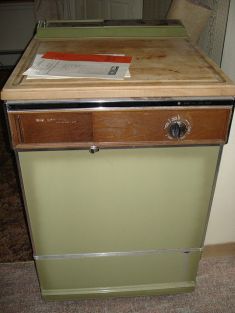
 you might imagine, gone through some changes over the years. Until 1857 it was composed of one hundred percent copper. The amount of copper was reduced over time in an effort, partially, to keep the amount of copper in it equivalent to the value of the coin. Another reason for less copper was that the metal became a very valuable commodity for the production of weapons.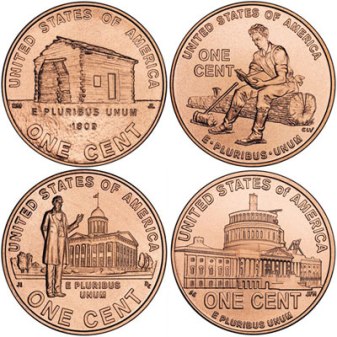
 , like some of its calendar counterparts in the fall and winter, is a significant date. Prior to it becoming International Workers Day to honor labor, it was also the date of the ancient celebration of Beltane. This event was one where the women were excited because they could FINALLY get the cows out of the house and drive the beasts to the field. Kind of the equivalent of the mom who tells her kids “Go outside and play!” They followed up this bovine removal by making a huge bonfire and, I would surmise, to burn all the straw that – after many months of being the peasants version of rugs – undoubtedly assaulted the poor woman’s olfactory senses and encouraged the proliferation of vermin.
 A huge outdoor feast was held around the bonfire. We refer to this as ‘camping.’ No doubt the men stood around the fire drinking mead all night and the celebration became rowdier and rowdier. This would, of course, lead to men doing stupid things… like jumping through the fire. From the Infallible Wikipedia:


