One in Three are doing it
October 6, 2020
When the whole world went in to lockdown in March of this year due to Covid-19, I started to see posts on social media with people lamenting what they called the “Quarantine 15.” It was a reference to the phenomenon that folks, now sedentary and with little else to do, had started to eat more than usual and added 15 pounds to their weight.
This has led to even more people doing the one thing which it’s estimated one out of every three Americans are doing on any given day: Dieting.

No doubt for as long as people have dealt with excess weight, the enterprising individual has sought out solutions to deal with the issue. As of 2014, according to an article in Nutrition in Clinical Practice, there have been more than 1000 published diets.
The Infallible Wikipedia tells us this:
“…the word diet comes from the Greek diaita, which represents a notion of a whole way healthy lifestyle including both mental and physical health, rather than a narrow weight-loss regimen.
One of the first dietitians was the English doctor George Cheyne. He himself was tremendously overweight and would constantly eat large quantities of rich food and drink. He began a meatless diet, taking only milk and vegetables, and soon regained his health. He began publicly recommending his diet for everyone suffering from obesity. In 1724, he wrote An Essay of Health and Long Life, in which he advises exercise and fresh air and avoiding luxury foods.
The Scottish military surgeon, John Rollo, published Notes of a Diabetic Case in 1797. It described the benefits of a meat diet for those suffering from diabetes, basing this recommendation on Matthew Dobson’s discovery of glycosuria in diabetes mellitus. By means of Dobson’s testing procedure (for glucose in the urine) Rollo worked out a diet that had success for what is now called type 2 diabetes.
The first popular diet was ‘Banting’, named after the English undertaker William Banting. In 1863, he wrote a booklet called Letter on Corpulence, Addressed to the Public, which contained the particular plan for the diet he had successfully followed. His own diet was four meals per day, consisting of meat, greens, fruits, and dry wine. The emphasis was on avoiding sugar, sweet foods, starch, beer, milk and butter. Banting’s pamphlet was popular for years to come, and would be used as a model for modern diets. The pamphlet’s popularity was such that the question ‘Do you bant?’ referred to his method, and eventually to dieting in general. His booklet remains in print as of 2007.
The first weight-loss book to promote calorie counting, and the first weight-loss book to become a bestseller, was the 1918 Diet and Health: With Key to the Calories by American physician and columnist Lulu Hunt Peters.”
In today’s world, one cannot go on the internet or watch television without reading or hearing ads for whatever the latest trendy diet might be. When I typed “diet programs” into my search bar it came back with 172 MILLION results. That’s a lot of diet choices.

The two best known seem to be Weight Watchers and NutriSystems. Other diet programs tend to tout food intake based on a variety of factors including low carb, low fat, or high protein. There’s the Mediterranean Diet, the Keto Diet, and diet’s specific to those with Diabetes, thyroid problems, and heart disease. Truly, there’s a diet for every situation and person.
Of course, NO ONE should take the information shared here and make their health decisions based on my layman’s take or the Infallible Wikipedia. Those who are regular readers understand that the Infallible Wikipedia really is not.*
Okay, I’ve posted my consumer warning.
As pretty much the skinniest child ever, I never dreamed that at some point in my life I’d end up going on a diet.
Until I landed on a college campus and was exposed to the high carb foods endemic to such an environment, my problem was the exact opposite of most dieters. I could not gain weight. At five foot nine and only weighing 115 pounds, I struggled to maintain even that. I was not anorexic or bulimic, just genetically programmed to be skinny.
Or so I thought. While at the University of Puget Sound, I did add the ‘Freshman fifteen’ and my weight jumped up to 130 pounds. Which was, I thought, just about perfect for me.
I dropped down 10 pounds the year I got married as I had gone on the ‘strep throat’ diet. I don’t recommend it.
But then I settled in to that 130 weight and remained there until pregnancy at age 32 impacted my body. I lost most of what I gained after baby number one and even after the second child.
I was doing okay in the weight department, but by the time I hit age 40 I weighed about 140 pounds.
Mostly I blame the weight gains on slowing metabolism and having teenagers.
A funny thing happens when you are cooking for a family, especially when there’s a teenage boy present. Those creatures eat a LOT of food, heaping their plates with goodies such as Macaroni and Cheese, Spaghetti, Lasagna, Pizza…

It’s a bit mesmerizing, really, to sit down to dinner and somehow you end up matching them bite for bite.
And soon another 10 pounds were added; and then another 10 after that. I started joking that I’d gained 10 pounds for each additional decade since I’d turned 20. It had gotten to the point where I didn’t step on scales because I didn’t like the number I saw. I convinced myself that I wasn’t eating excessively and no matter what I did I just couldn’t lose the weight.
Then the quarantine arrived. Where once I was out and about attending events on weekends and various meetings during the week, there was nothing going on. No potluck dinners or buffet lines. Restaurants were, for a time, shut down. There literally was no place to go except the grocery store and those shelves – in the first month – had large empty spaces in lieu of products.
On April 10, I decided that perhaps I might use the shutdown as an opportunity to drop a few pounds. But how did one go about it? I had zero experience with dieting. Of course I went to the one place where expert advice was to be found: the internet. It was enough to make one’s head swim. And then I remembered my Android phone and thought, perhaps, there might be a weight loss application. Bingo.
Of the several dozen available, I ended up picking the highest rated one I found which happened to be MyNetDiary.

It allowed me to set a weight loss goal of up to 15 pounds (no more – I tried!) and then gave me a date, three months in the future, July 7 to lose the weight.
I became, one might say, singularly focused, and followed the program to the letter, careful to never go over the daily calorie count. I learned some interesting things about how much particular foods ‘cost’ in calories. I weighed everything. And with only a certain number of calories allowed each day I started to think about what foods I valued and wanted in my life.
Gone was my beloved Dr. Pepper (240 calories for a 16 oz can! Or 17 percent of the daily calorie allowance). Pasta, Rice, and starchy foods were seriously reduced. Instead of two pieces of toast, slathered with butter, and an egg for breakfast, I had one slice of toast (the one slice about 120 and the egg 90 calories) and I measured out a reasonable quantity of butter (.18 oz which is 37 calories).
I learned that my most favorite food is… drum roll please… white cheddar cheese Cheez-its. But just 20 of those delicious little crackers cost me 120 calories. So now, instead of eating however many I wanted, I counted out each and every one, making the conscious choice to consume them as one of my daily ‘treats’ or as part of my lunch.

By the end of April I’d lost my first five pounds and I was motivated. A month later, I was down ten pounds overall. My version of the Quarantine 15 – that is losing rather than gaining that amount – arrived a few days ahead of schedule on July 1st.
But I wasn’t done. I reset the program to lose another 15… my new date to achieve that: November 7. I expect I will have lost 30 pounds overall sometime this week… the scale tells me that I’m really, really close.
I guess it gets back to finding the good in a not great situation. Had we never ended up in ‘quarantine’ I doubt I would have taken the action I did.
Oh! Did you see the time? Only a half hour to lunch… I’m really looking forward to those 20 Cheez-its!
A couple of links:
https://en.wikipedia.org/wiki/Dieting
https://onlinelibrary.wiley.com/doi/abs/10.1177/0884533614550251
*Before taking on any weight loss program, be sure to check with your doctor!















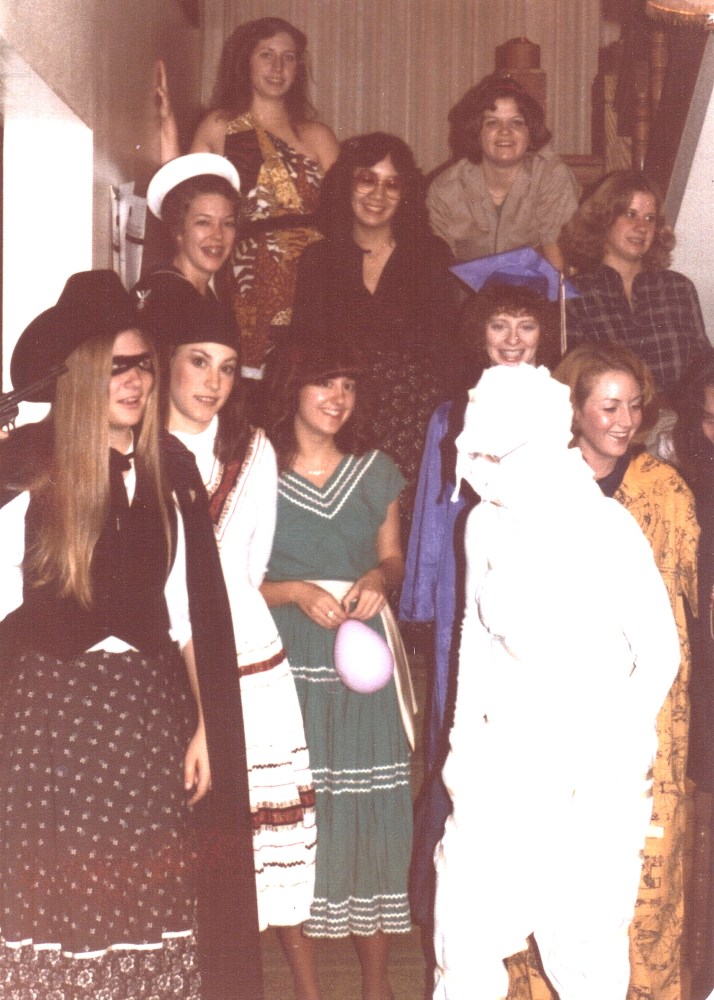
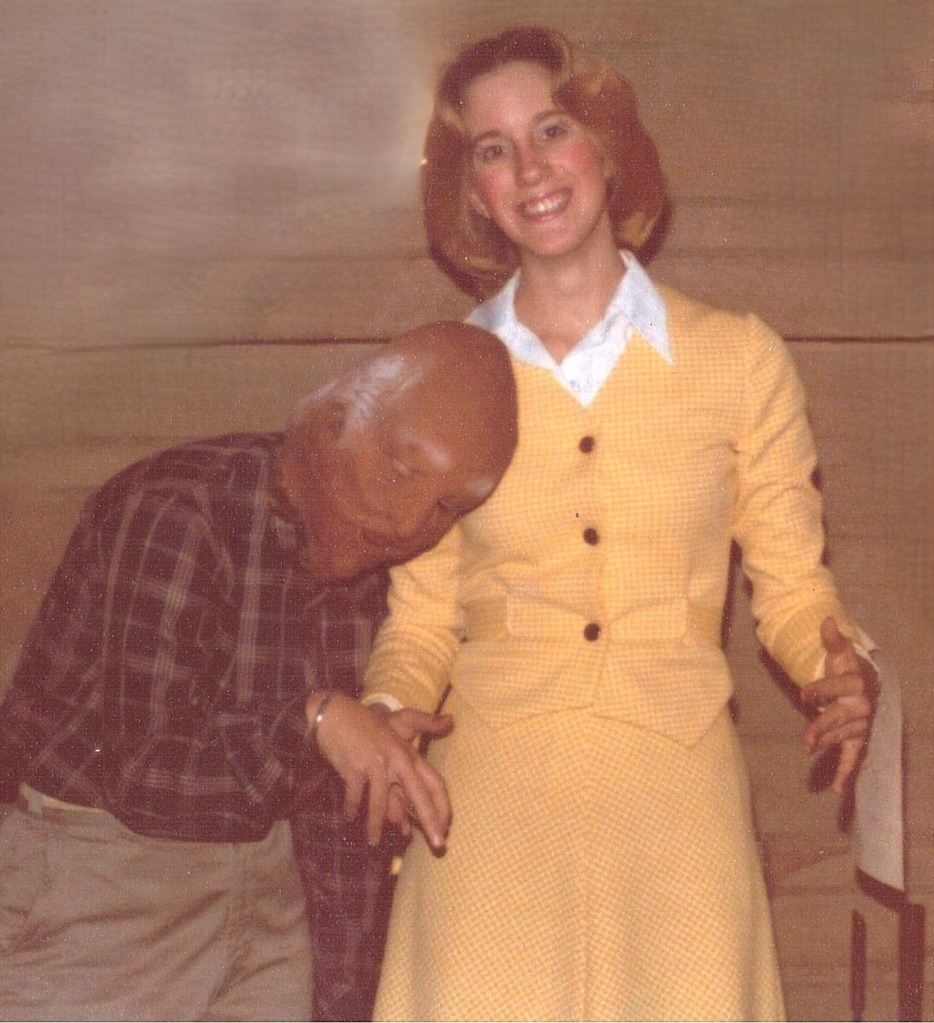
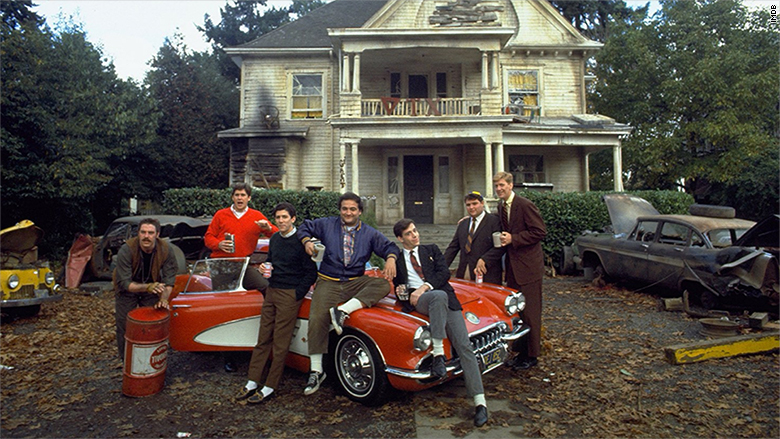 Who’s who in the Facebook Photo (left to right):
 July 14, 1972 marks the date the Honda Civic was introduced. The Civic was, arguably, the beneficiary of a number of factors which catapulted it to the top of the small car class.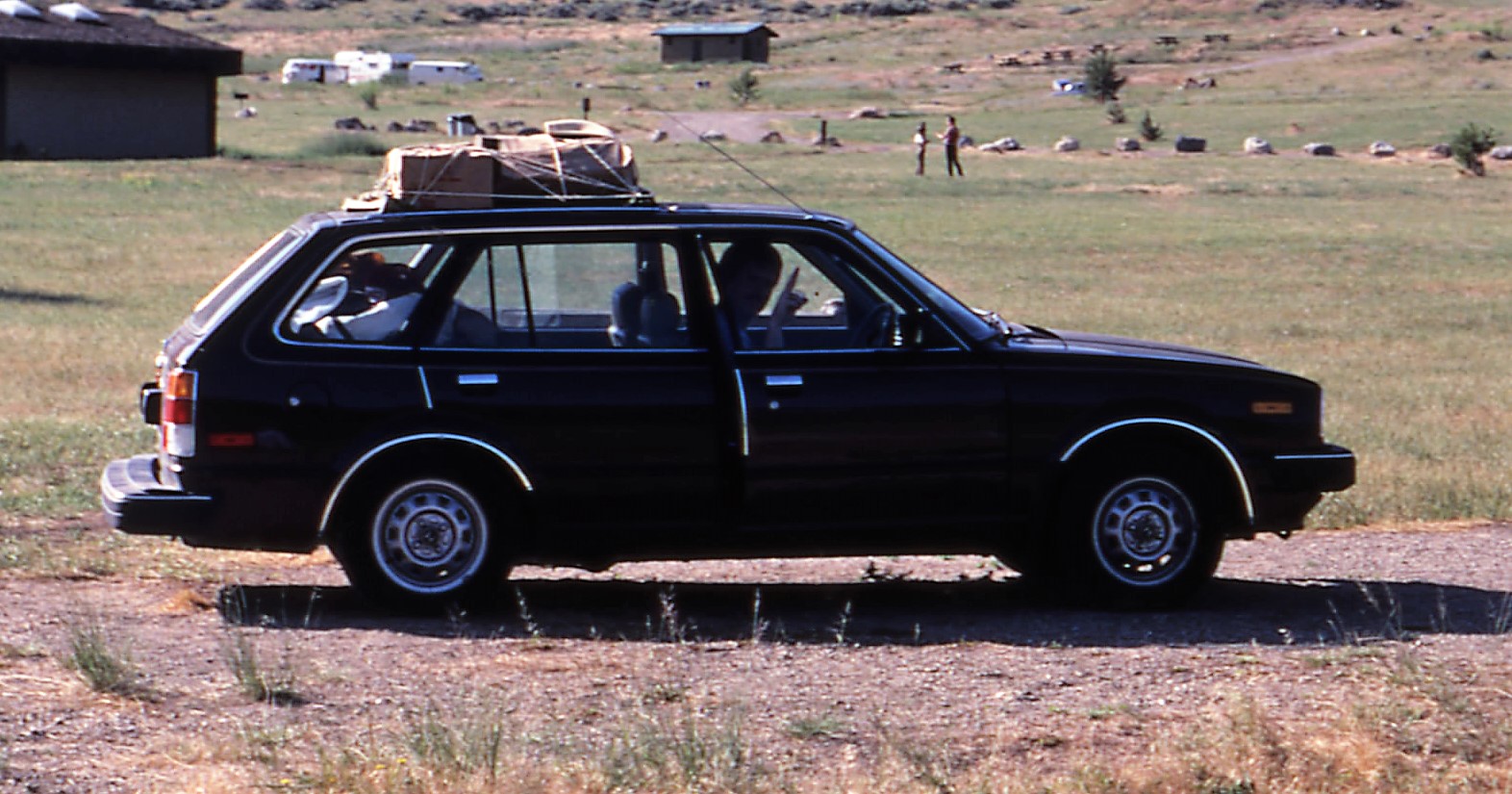


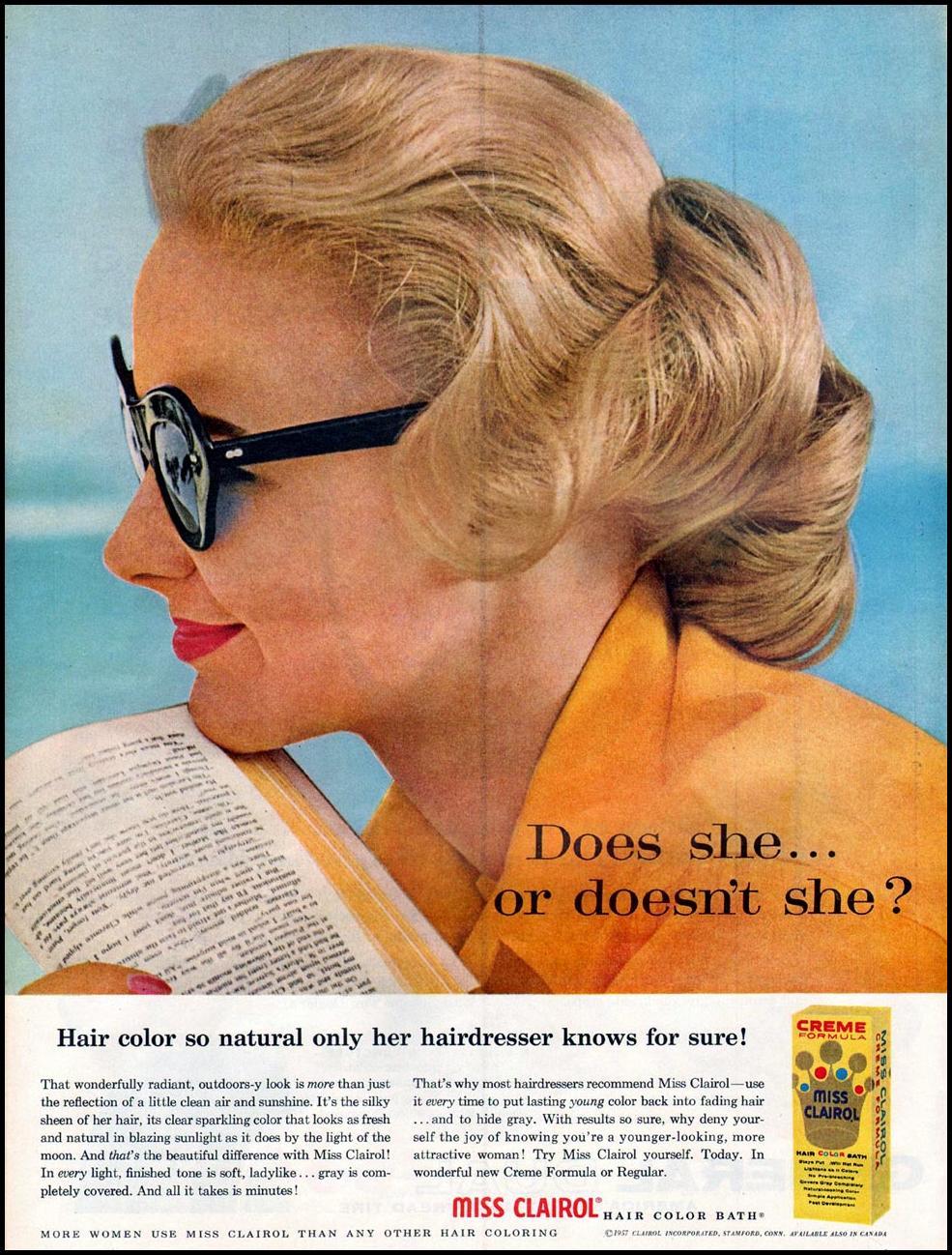 In the era of COVID-19 this slogan from a 1960’s home hair coloring commercial has become outdated. With the shuttering of the beauty salon in the name of public safety, women (primarily) of a certain age, are seeing their true hair color for the first time in years.
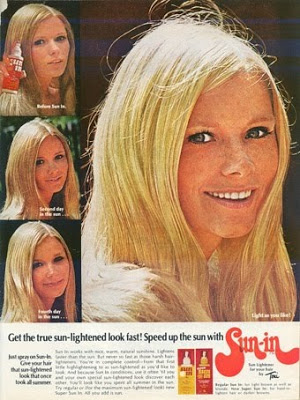 I started using Sun-In approved by and aided by my mother! Every couple of months we would apply the stuff and, due to probably allowing it to stay on my hair longer than we should, I became blonder and blonder. This continued throughout high school and my first three years of college.
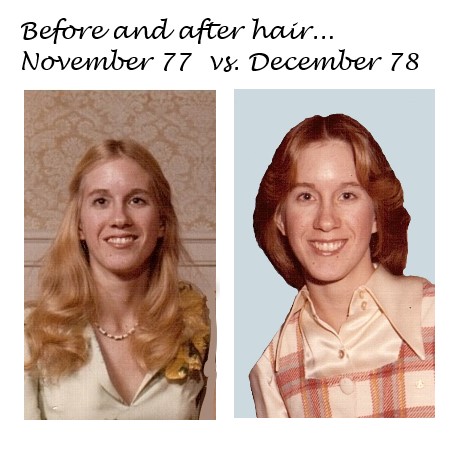 With the 1980’s came the era of big hair which, for someone whose hair has zero natural curl, required a different chemical process: the permanent wave. Turns out my hair was a fairly light brown and looked even lighter due to the perm.