April 7th
Gloria Gaynor’s Anthem for Heartbroken Women
 A Tuesday Newsday Classic from 2020
In the spring of 1979 a different sort of fever gripped the United States. This fever, unlike the one in 2020 when I first wrote this article, was one that encouraged people to get together in large groups. We called it Disco Fever. By the spring of that year, the musical airwaves were dominated by the catchy beat of Disco tunes and artists such as the Bee Gees, ABBA, and Donna Summer.
There was one song from that year – unlike any others – which has spanned generations and remains popular 40 years later. That song is I Will Survive.
On April 7, 1979, Gloria Gaynor’s anthem topped the Billboard Charts. The song’s path to popularity was one of being almost an afterthought… and yet the song survived and thrived. From the Infallible Wikipedia:
“Originally released as the B-side to a cover version of the Righteous Brothers song ‘Substitute’, ‘I Will Survive’ became a worldwide hit for Gaynor when disc jockeys played that side of the record instead (kick-started by legendary Studio 54 DJ Richie Kaczor). ‘Substitute’ appeared on the Billboard ‘Bubbling Under the Hot 100’ chart for four weeks in October–November 1978, peaking at No. 107. ‘I Will Survive’ then entered the Billboard Hot 100 in December that year and reached No. 1 on the chart in March 1979.”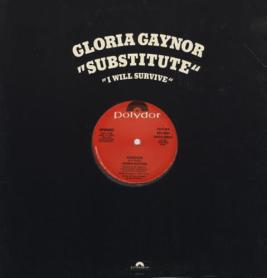
Even its three weeks at number one on the charts was unconventional. In March it arrived there for two weeks – March 10th and 17th – only to be knocked out by the Bee Gee’s song Tragedy. Yet, I Will Survive was back at number one two weeks later.
In writing this article I had to go out and find a YouTube of the Bee Gee’s Tragedy to remember it. Such has never been the case for Gloria Gaynor’s famous work. In list after list of ‘best’ songs, I Will Survive can be found. The Infallible Wikipedia provides additional information:
“The song received the Grammy Award for Best Disco Recording in 1980, the only year the award was given. It is ranked #492 on Rolling Stone magazine’s list of ‘The 500 Greatest Songs of All Time’, and ranked at #97 on Billboard magazine’s ‘All-Time Hot 100’. In 2000, the song was ranked #1 in VH1’s list of the 100 greatest dance songs.”
Go to any dance today and you are more likely than not to hear this song. Teens respond to its catchy beat and Gaynor’s soulful vocals with the same enthusiasm the young people of 1979 did.
The song has also become an anthem for anyone – particularly women – devastated by a relationship breakup. And perhaps that is one of the reasons for the song’s success. Its message resonates for souls whose heart has been broken only to discover their inner strength and be able to move on.
When I think back to March of 1979 I would describe myself as being in a perpetual state of relationship flux. I’d had a series of boyfriends – some more serious and others short lived – and I had become jaded. This song became, in many ways, my unofficial anthem. And yet, despite developing a basic distrust in the male of the species, I still clung to hope.
One day, it must have been during her spring break, my sister was in Tacoma visiting and we were out for lunch with one of my ‘completely not serious’ boyfriends at the time. After he left, my sister and I stayed and we dissected my relationship with him and a couple other of the guys I’d recently dated. One moment stands out as I very clearly said ‘I’d rather be alone’ than be someone’s ‘second best,’ a situation I’d found myself in more than once. I had recently resigned myself to the belief that ‘being alone’ was the likely outcome as none of the current crop were ‘good bets.’ Ironically a few weeks later, when I was not seeking a relationship with anyone, I met the man who would become my husband. That story is here: https://barbaradevore.com/2018/09/11/the-ford-pinto/
As a romance writer, breakups and finding one’s inner strength is elemental to many a story line. In fact, it is a theme which never gets old and connects with readers because nearly all have experienced it. I Will Survive taps in to that emotion, that moment in time, when the epiphany occurs. It’s storytelling at its best. That, I believe, is the essence of its staying power. The lyrics speak a universal truth which transcends time. My favorite lyrics of the song:
It took all the strength I had not to fall apart
Kept trying hard to mend the pieces of my broken heart
And I spent, oh, so many nights just feeling sorry for myself
I used to cry but now I hold my head up high
And you see me, somebody new
I’m not that chained up little girl still in love with you
And so you felt like dropping in and just expect me to be free
But now I’m saving all my loving for someone who’s loving me
Stay Healthy everyone. We will SURVIVE!
I feel strongly that the co-writer’s of the song need to be acknowledged:
https://en.wikipedia.org/wiki/Freddie_Perren
https://en.wikipedia.org/wiki/Dino_Fekaris
And, of course, a link for the song itself:


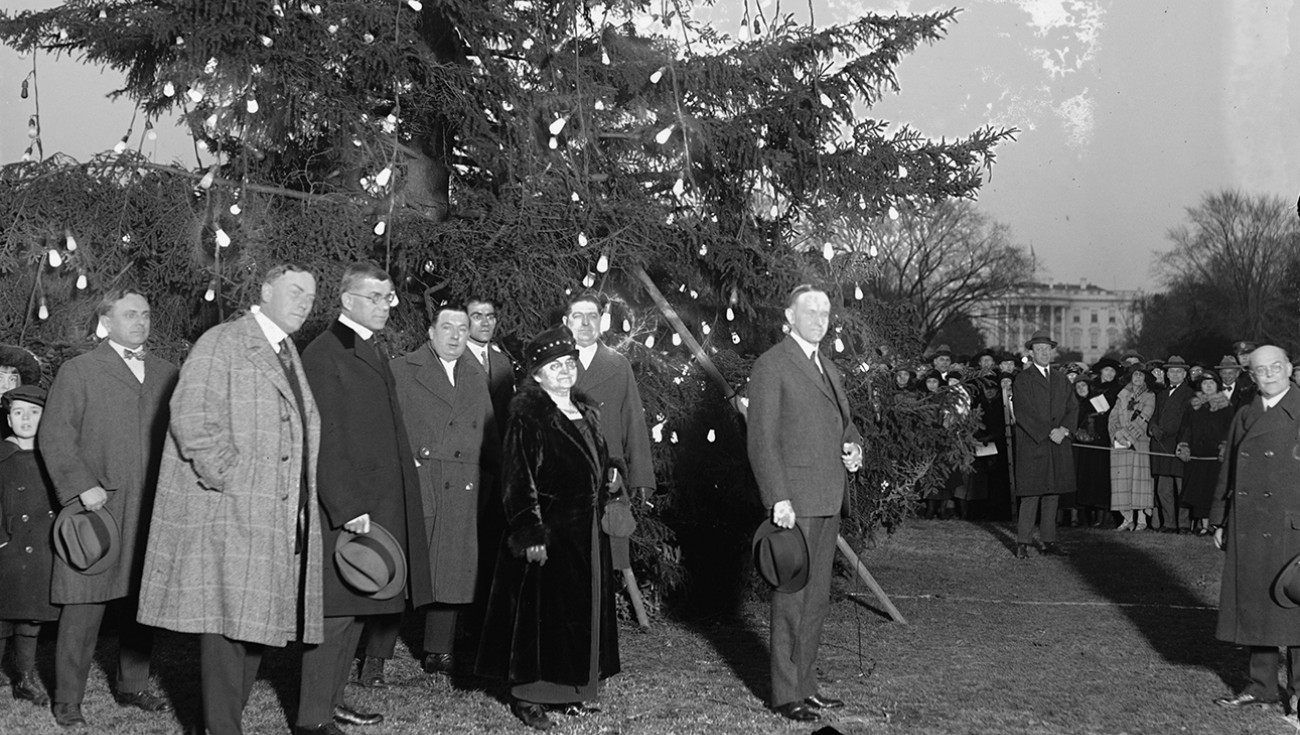
 The following year Coolidge objected to cutting down a tree for the event so a 35 foot tall live Norway Spruce was located and planted in a new location near the Treasury Building. This tree survived until 1929 when it was determined that the plant had been damaged and needed to be replaced. This began a series of live trees being planted, dying, and being replaced until, in 1934, the last tree was cut down in that location.
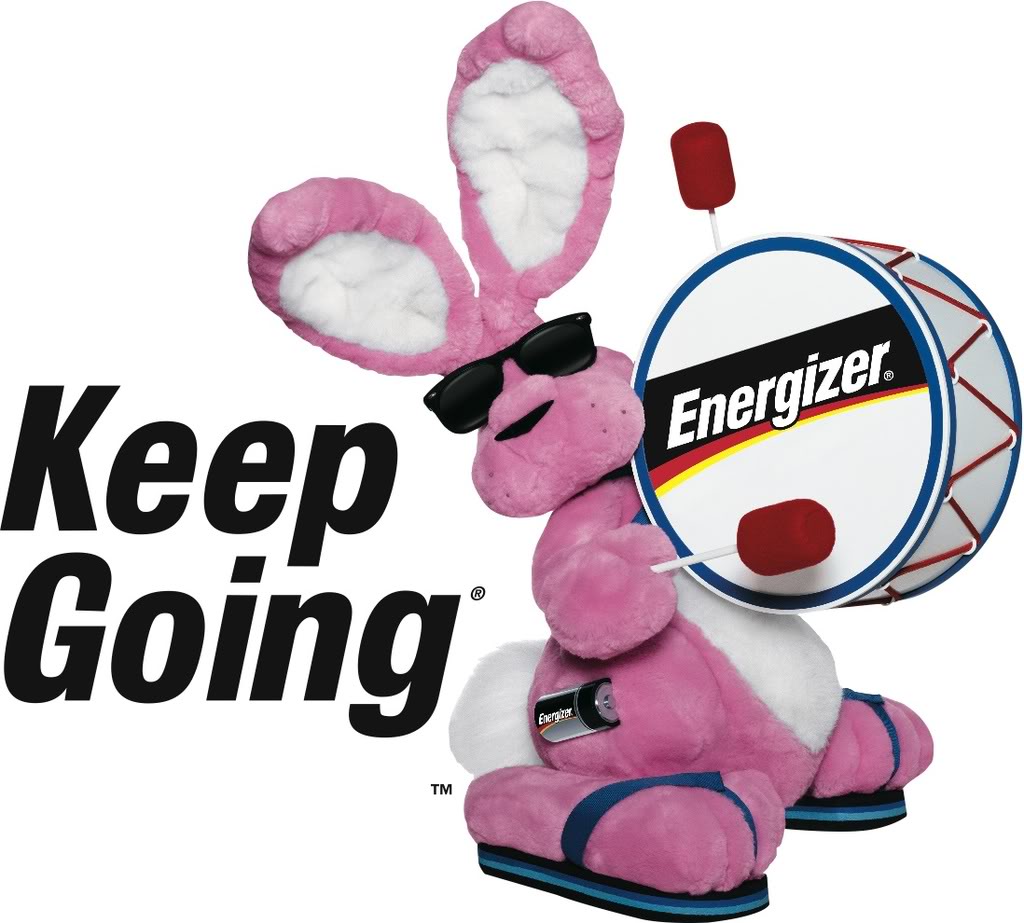 The Energizer Bunny was also pink but instead of being one of a crowd which outlasts the others, this rabbit had attitude. It wore hip sunglasses. It was hot pink. It moved around the room on blue flip flop sandals. And it had a big ole bass drum with the word “ENERGIZER” emblazoned across the surface. In short, it had important elements of a great advertising campaign in that it was memorable and humorous. The bunny has appeared in over 100 commercials and has been featured on TV shows and in movies.


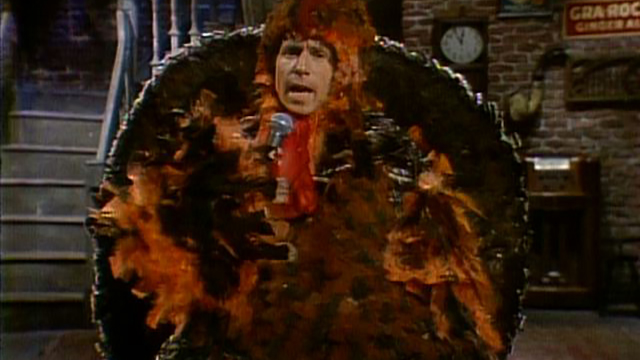

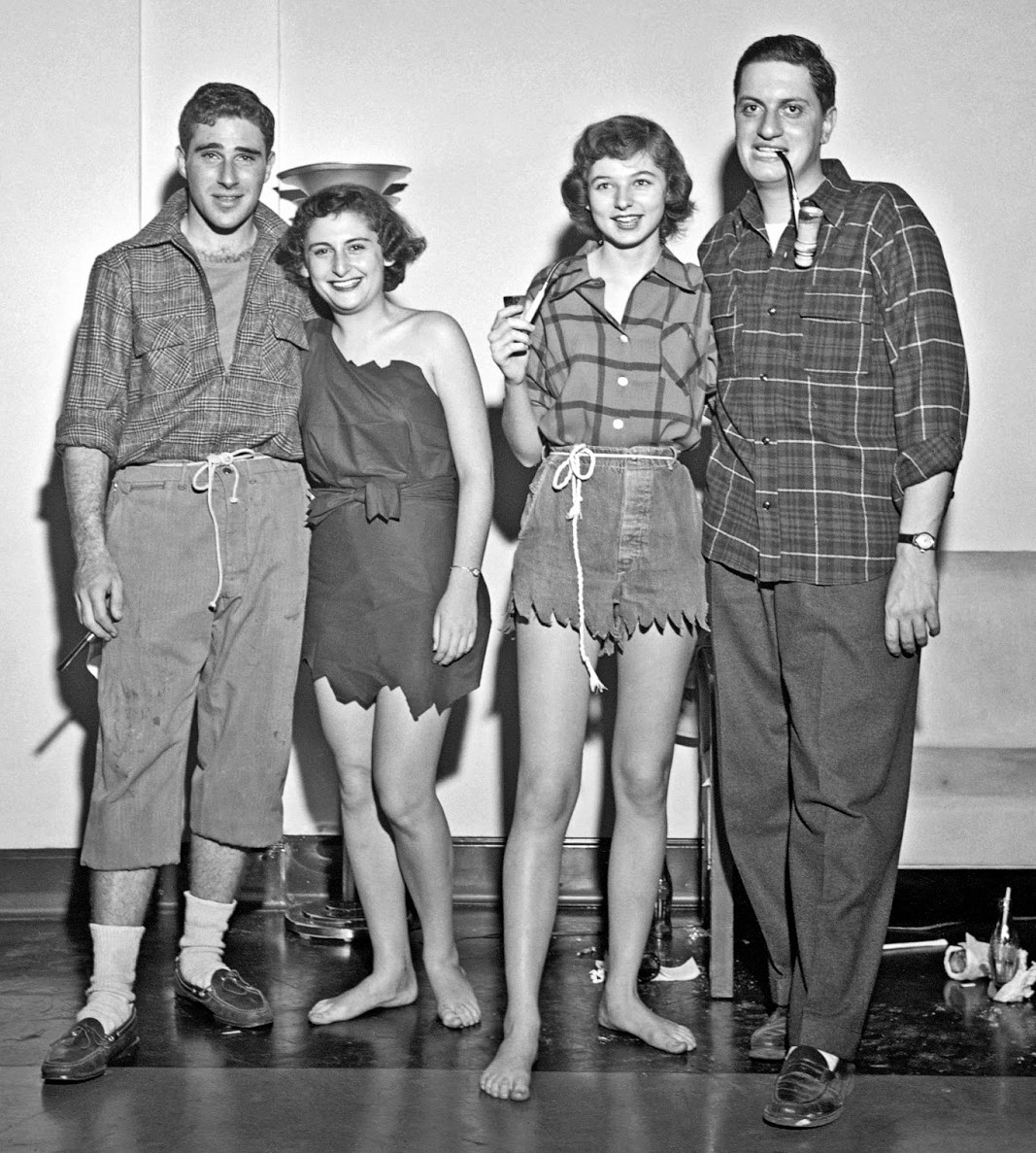
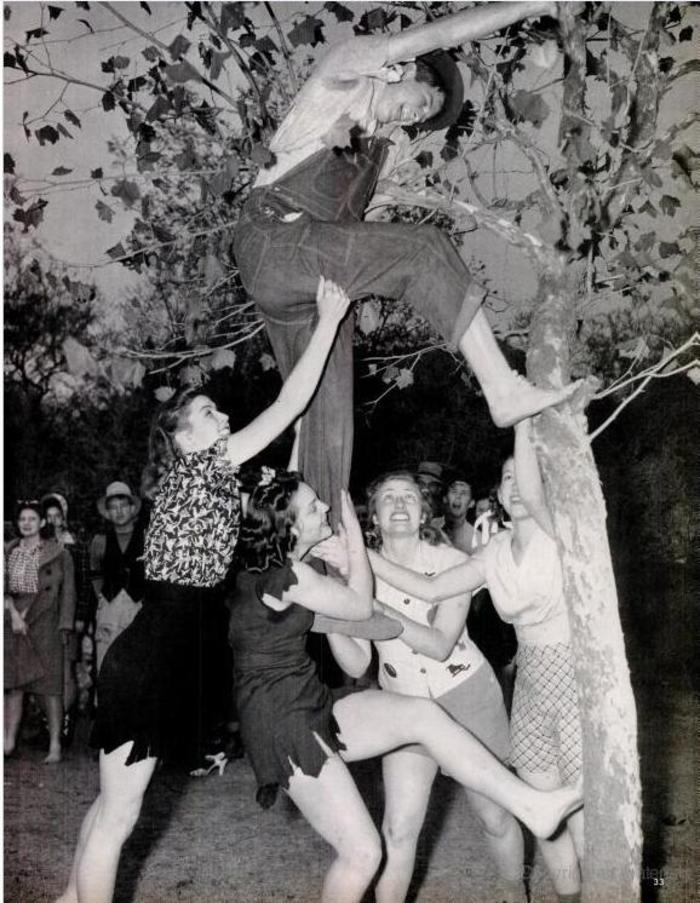
 The origin of Sadie Hawkins Day is, no doubt, an anachronism to the young people of today who would be simultaneously surprised and offended by it. But on November 13, 1937, the event was introduced in a popular comic strip and soon, in the vernacular of today, went viral.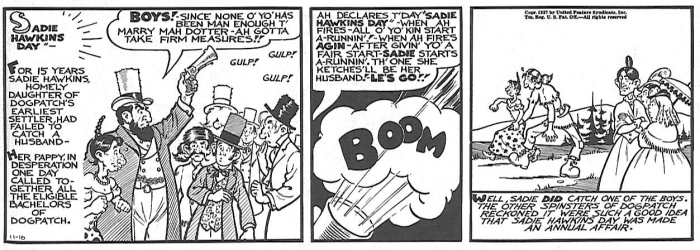




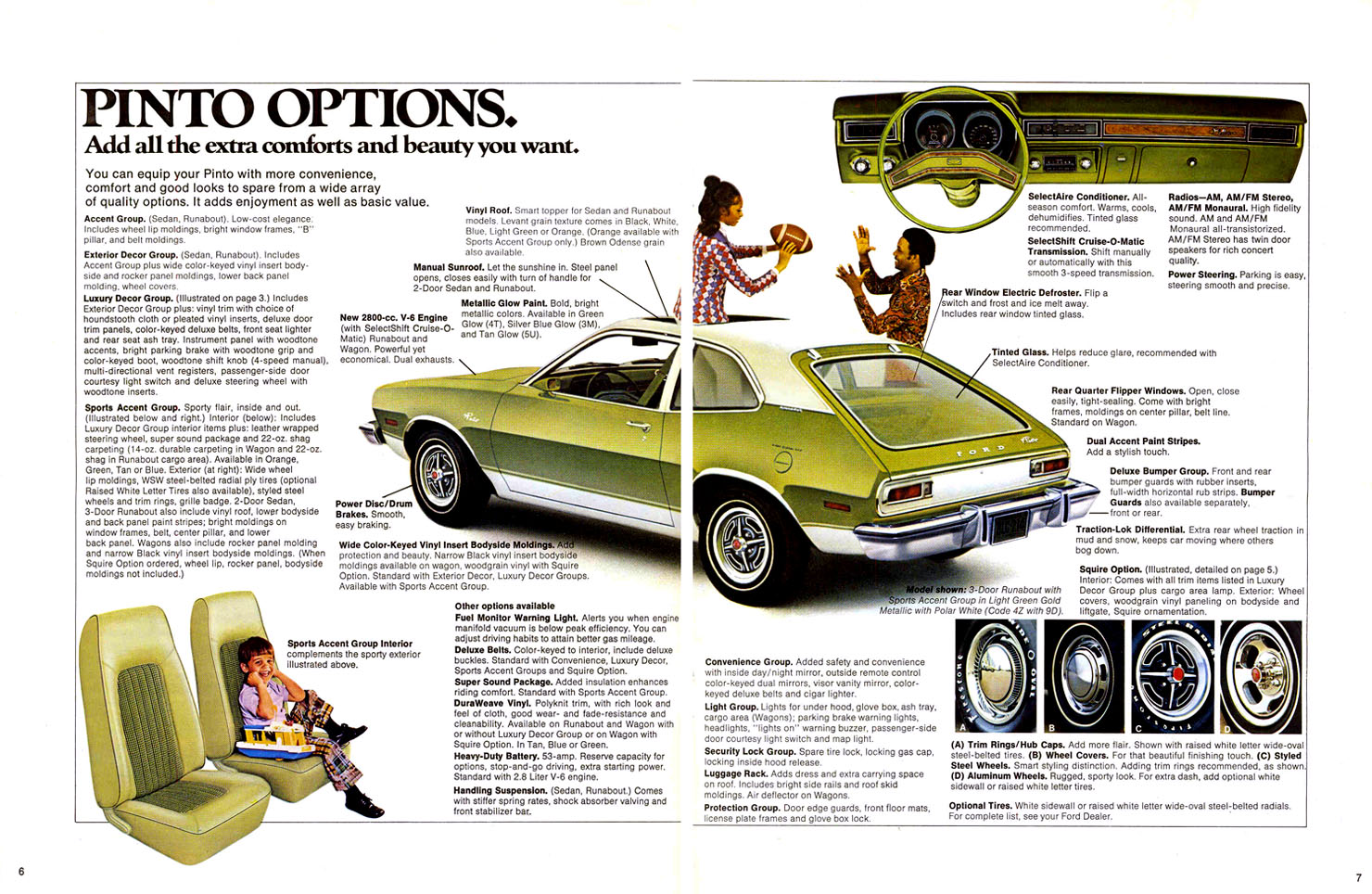 Ford Motor Company’s response to this demographic phenomenon was the introduction of the Pinto, marketed as “The Little Carefree Car” on September 11, 1970. From the Infallible Wikipedia:
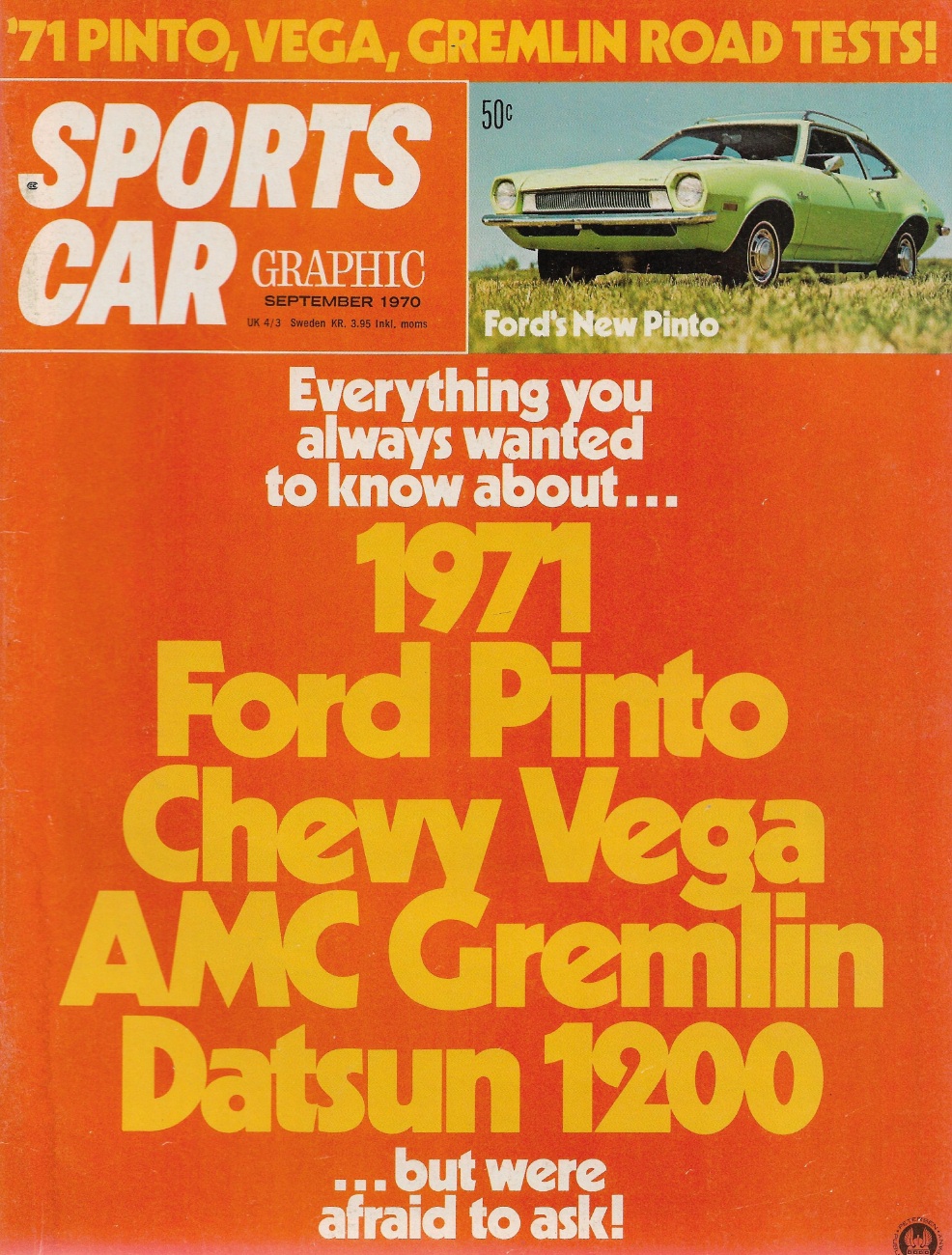 “In April 1974, the Center for Auto Safety petitioned the National Highway Traffic Safety Administration (NHTSA) to recall Ford Pintos to address fuel system design defects after reports from attorneys of three deaths and four serious injuries in rear-end collisions at moderate speeds. The NHTSA found there was not enough evidence to warrant a defect investigation. In August 1977, Dowie’s ‘Pinto Madness’ article was published a series of accusations against Ford, the Pinto and the NHTSA. These included that Ford knew the Pinto was a ‘firetrap,’ and said that Ford did not implement design changes because Ford’s cost-benefit analysis document showed that paying out millions in damages in lawsuits was more profitable than the design changes. The day after the article’s release consumer advocate Ralph Nader and the author of the Mother Jones article held a news conference in Washington DC on the alleged dangers of the Pinto’s design. On the same day, Nader and the Center for Auto Safety re-submitted their petition to the NHTSA.”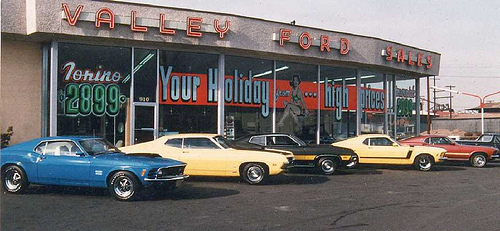
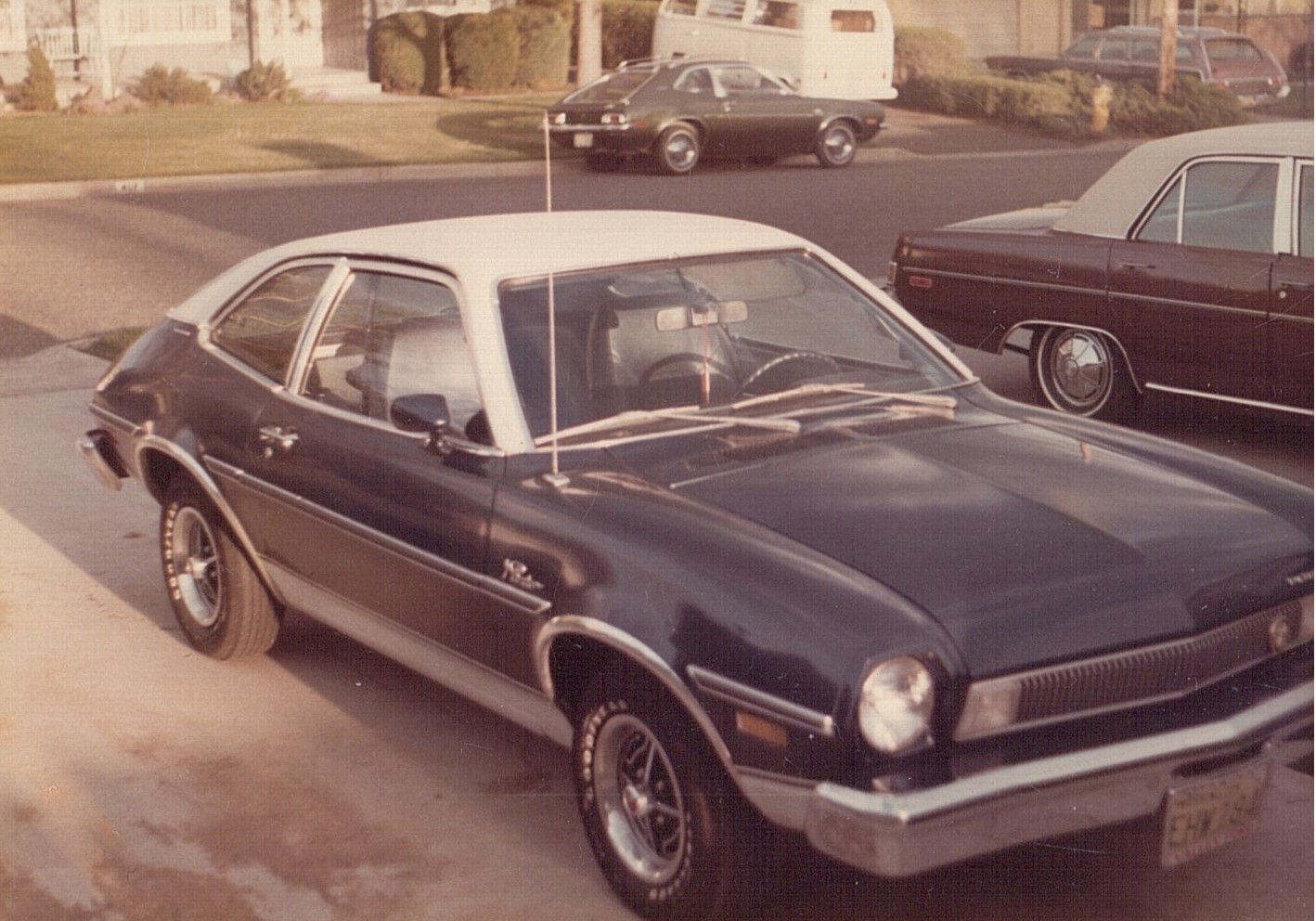
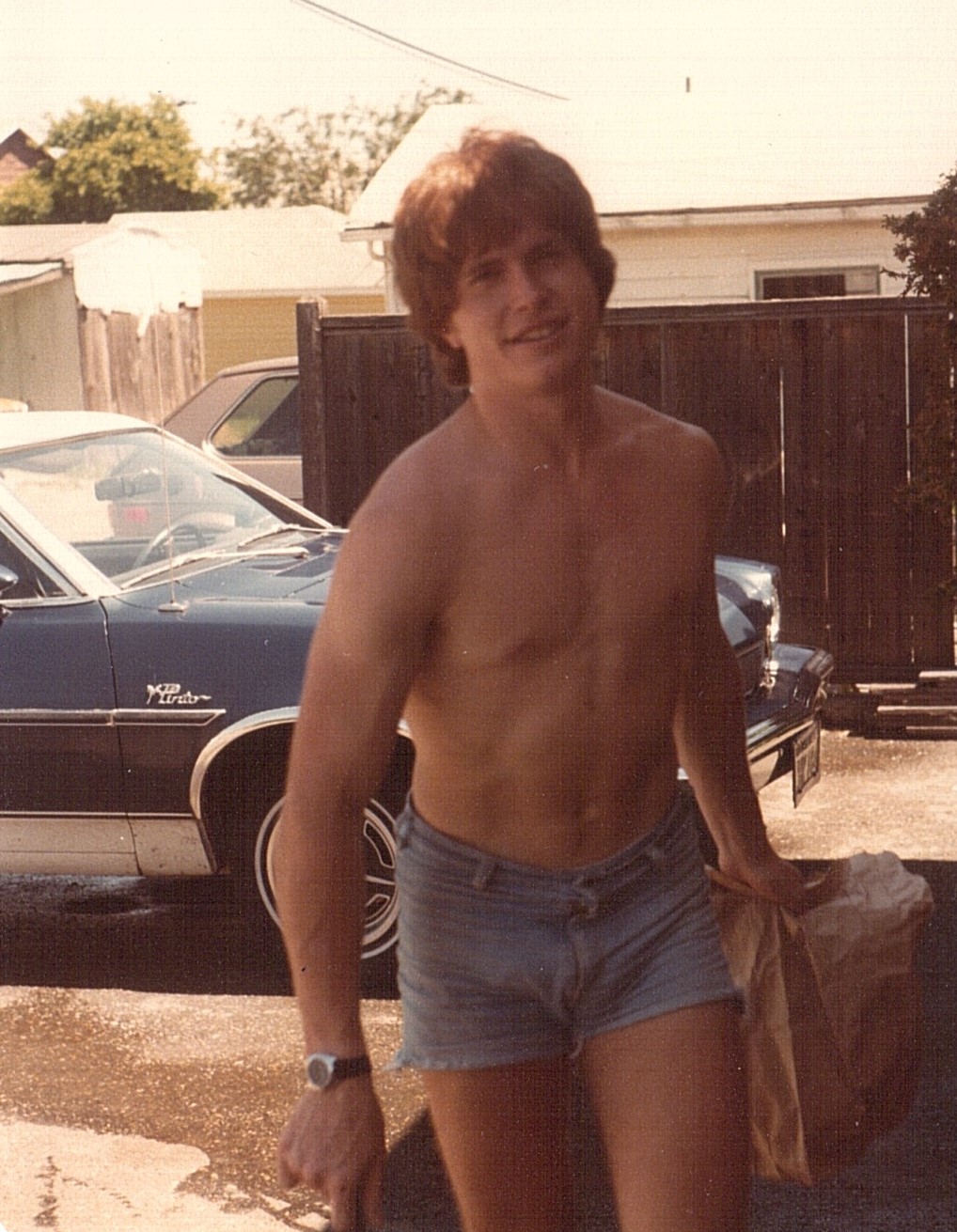 It took some digging but I finally found a few photos. I’m particularly amused by this one of ‘my’ guy giving us a little beefcake with the Pinto in the background. Belatedly, I give thanks for that car and how important it was to me at the time. For five years it was my trusty steed, there for me every step of the way.
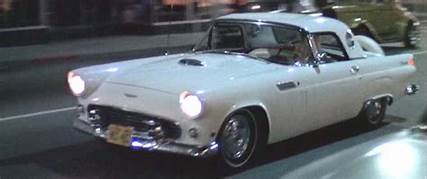 The line “Where were you in ’62?” is in reference to the movie American Graffiti where then unknown actor Richard Dreyfuss becomes obsessed with finding the blonde who is driving the white Thunderbird. He never does but the already iconic Thunderbird is cemented in legend and, for his character, is what defines his final teenage experience.
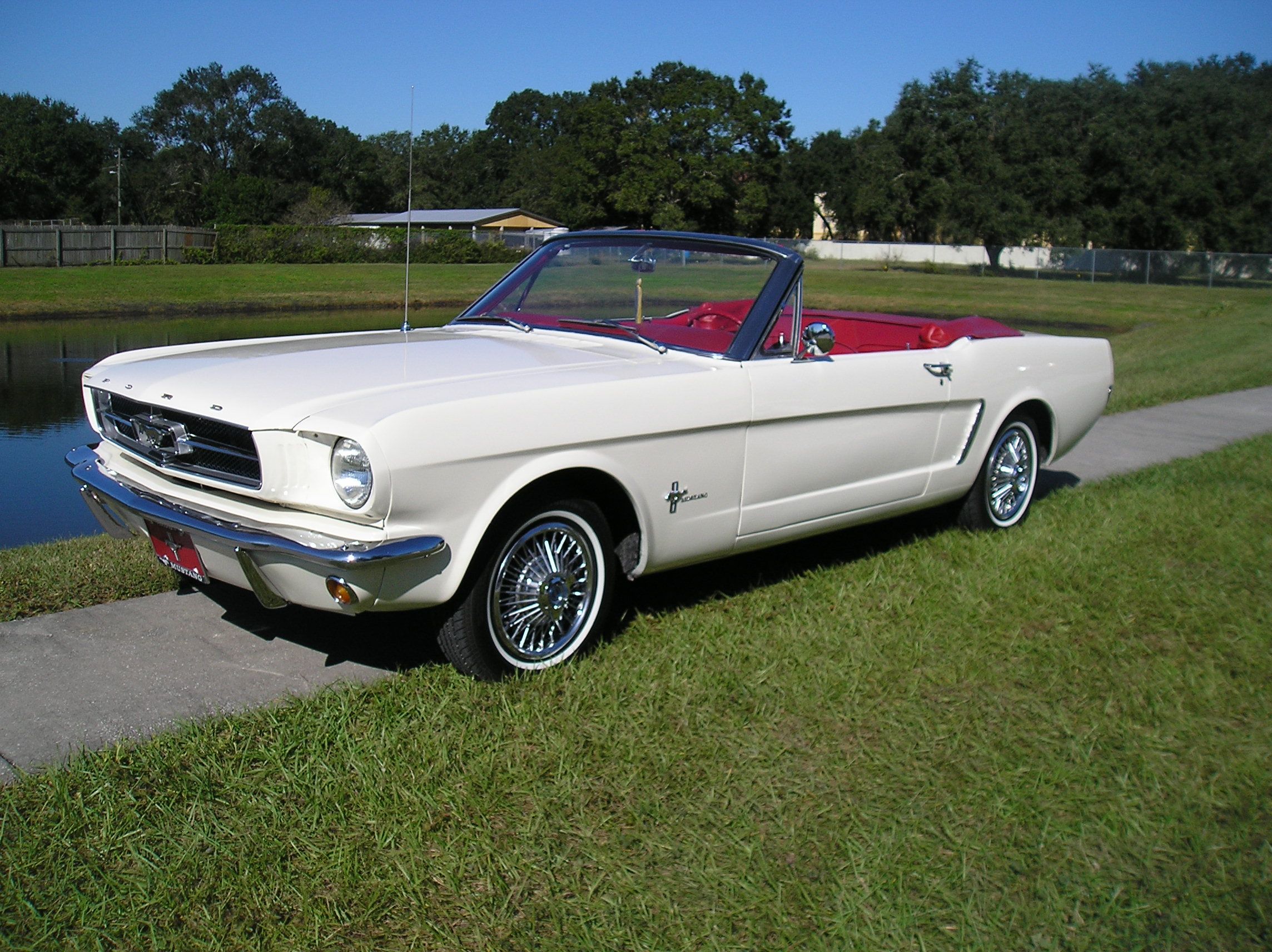 First, a description of the car. It’s a 1964 1/2. White with a black convertible rag top. Red leather seats. Pretty much every teenager’s dream as the coolest car. I know it was mine.
 Then, behind me, blue and red lights come on. My heart pounds. Oh crap.
 For more information, here’s the Wikipedia link to the Mustang and, for those who have never seen American Graffiti, it’s a classic movie worth the time it takes to watch.
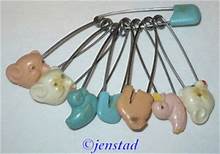 The safety pin was an especially great invention for mothers everywhere to keep the baby’s diaper pinned without stabbing the child. Making a large pin with a cute animal as the protective head has been a popular adaptation for decades.
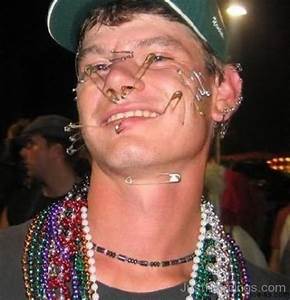 When Punk Rock became a thing in the late 70’s and early 80’s the practice of using a safety pin as a decorative piercing became popular with the musicians and their followers.
