Plus a bit of history about this delicious treat
June 10th
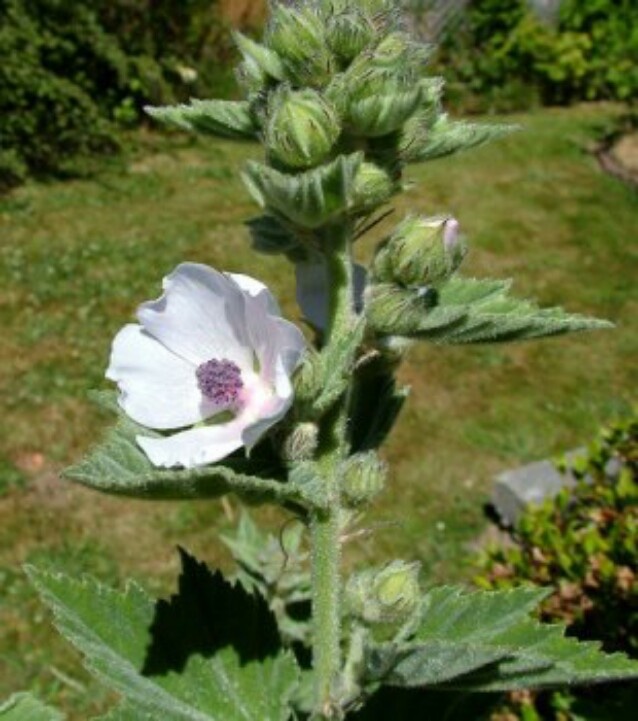
If you have ever wondered how the marshmallow got its name, just read a bit further as we explore this tasty treat, most associated with being roasted during summer nights around a campfire with friends and family.
The fluffy round white confection made of sugar, water, gelatin, and a coating of cornstarch, is nothing at all like the original marshmallow. For our purposes we will call the original a marsh-mallow, as it is a plant which is native to Europe, North Africa, and Asia. As the name indicates it grows in wetlands and the roots proved to be an effective medicinal for treating coughs and sore throats.
According to the Infallible Wikipedia, there is evidence that the plant was used by ancient Egyptians some 4000 years ago. Now that’s staying power!
The entry tells us:
“Whether used for candy or medicine, the manufacture of marsh-mallows was limited to a small scale. In the early to mid-19th century, the marsh-mallow had made its way to France, where confectioners augmented the plant’s traditional medicinal value. Owners of small confectionary stores would whip the sap from the mallow root into a fluffy candy mold. This candy, called Pâte de Guimauve, was a spongy-soft dessert made from whipping dried marsh-mallow roots with sugar, water, and egg whites. It was sold in bar form as a lozenge.
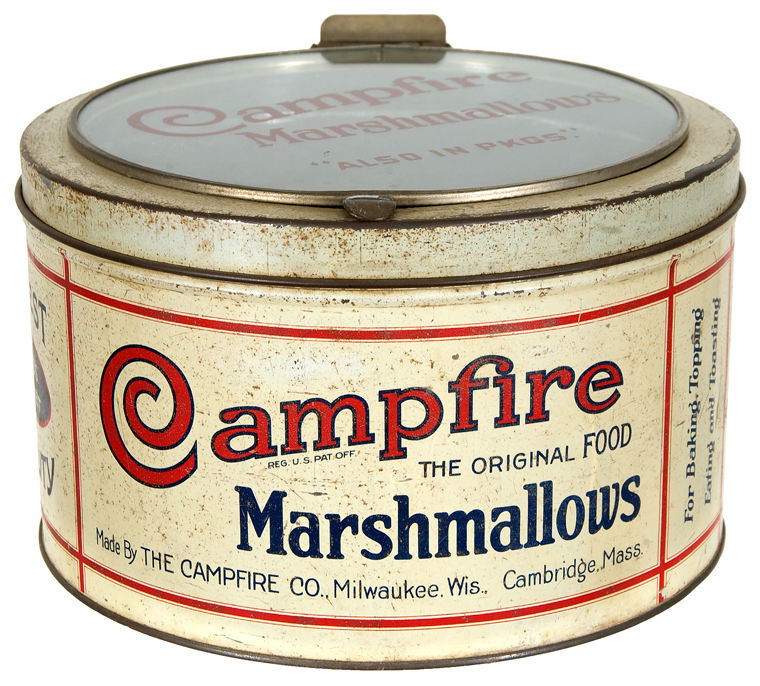
Drying and preparation of the marsh-mallow took one to two days before the final product was produced. In the late 19th century, candy makers started looking for a new process and discovered the starch mogul system, in which trays of modified corn starch had a mold firmly pushed down in them to create cavities within the starch. The cavities were then filled with the whipped marsh-mallow sap mixture and allowed to cool or harden. At the same time, candy makers began to replace the mallow root with gelatin, which created a stable form of marshmallow.”
Eventually, the modified marshmallow – the one which did not contain any of the plant – made its way across the ocean. It was in 1956 when an entrepreneur by name of Alex Doumak invented an extrusion device where the ingredients were sent through a tube and long ropes of marshmallows came out the other end. From there, they were cut in to the fluffy white rounds known as marshmallows.
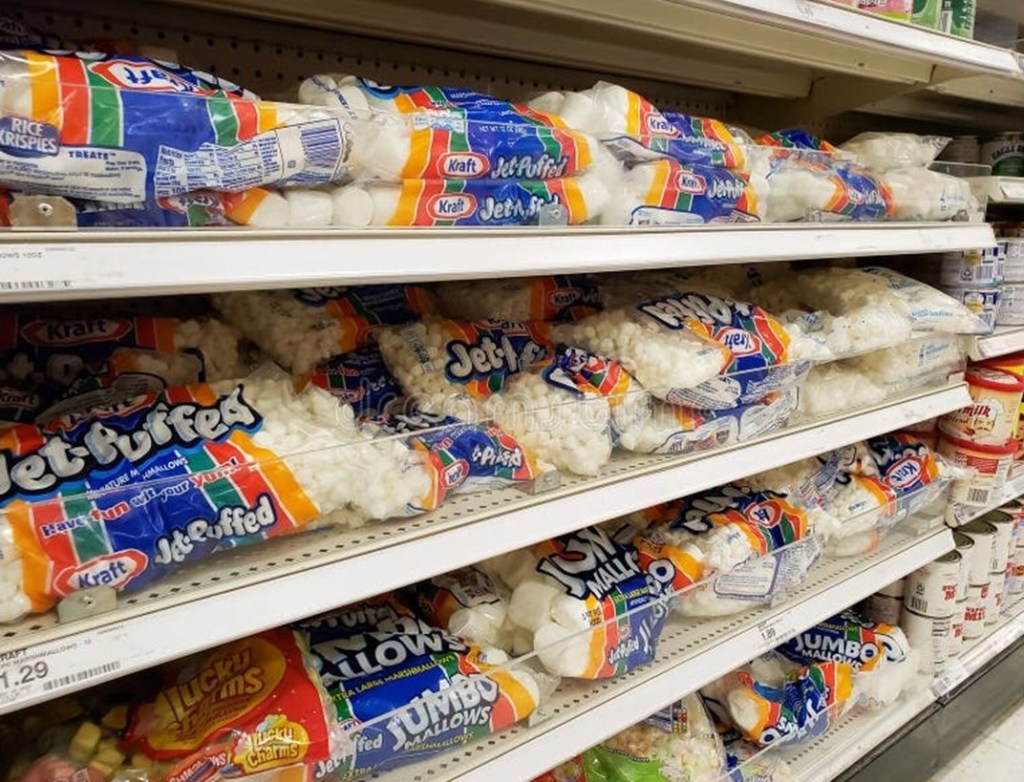
The Infallible Wikipedia tried to figure out when, exactly, the roasting of marshmallows over a campfire began, but the origins are iffy. They were able to find a reference to it in a New Jersey newspaper from 1892. I imagine it probably started by accident when someone accidentally browned one and thought “Hey, this tastes really good.” Thus, the tradition of roasting marshmallows began.
There are any number of variations on how to use marshmallows: cooks have used them as toppings on Jello, added at the last minute to Thanksgiving sweet potatoes, floating on a steamy mug of hot chocolate, or taking the roasted campfire varieties and sandwiching a couple between two graham cracker squares and a hunk of chocolate.
Marshmallows also find their way into a variety of children’s craft projects such as gingerbread houses and winter snowmen.
I am, however, a traditionalist. While I will have a s’more at a beach or camp fire, I find that I prefer a perfectly toasted marshmallow eaten in a very specific manner.
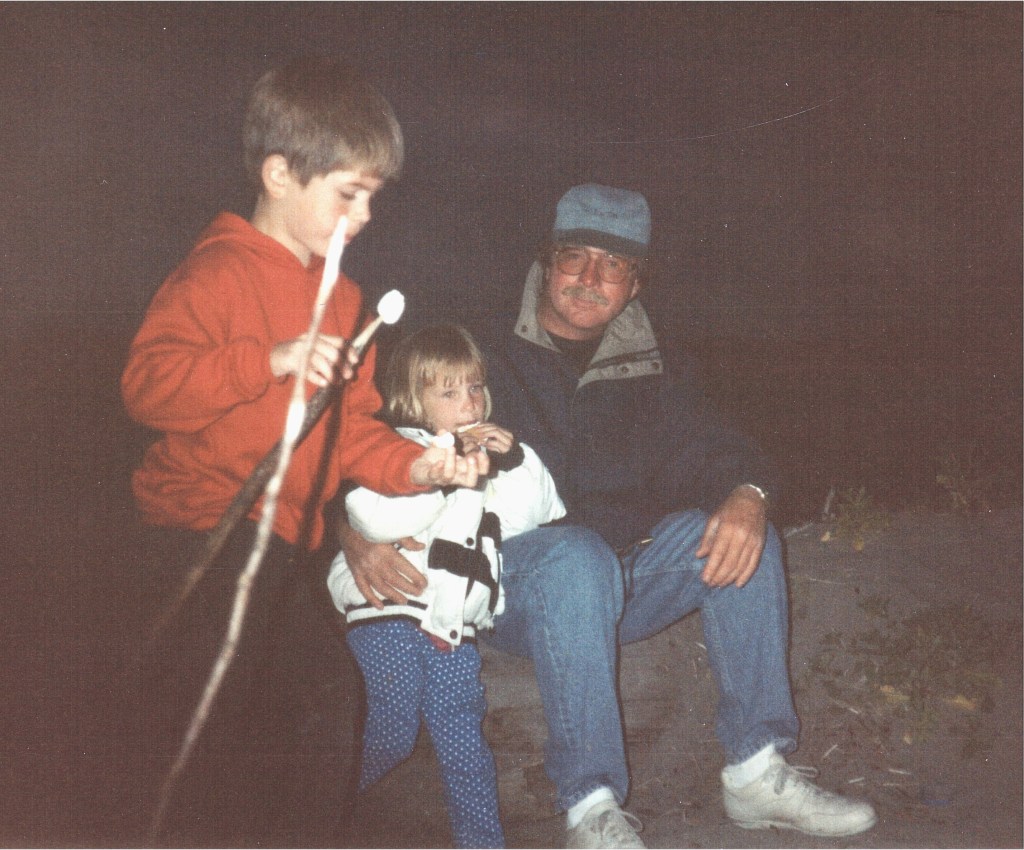
Here’s the recipe:
Start a campfire. Let it burn hot for about 45 minutes until coals accumulate at the base. Let the flames die down enough that you can sit about a foot away from the fire. Using a stick you have found, whittle the narrower end into a point with a pocket knife until the white wood shows and the bark is removed (make sure to pick a non-toxic wood!).
Sit on a log, camp chair, or old blanket. Open a bag of 1 inch diameter marshmallows, remove one from the bag, and press it firmly onto the pointed end of the whittled stick.
Study the coals to determine the perfect spot to cook the marshmallow. Turn it so one side is about two to three inches from the hot coals. Hold it next to the coals until the skin starts to turn gold then rotate your stick a quarter turn and toast the second side. Repeat until all sides have been roasted.
Remove the marshmallow and evaluate. If there are white spots, return it to the coal area and give it a couple of seconds to brown.
Finally, tip the head of the marshmallow toward your coals and cook the top until it puffs up and is golden brown.
If you happen to lose control of the cooking process and, heaven forbid, your marshmallow erupts in flame, remove immediately and wave in the air, and then offer it to the lazy person who doesn’t want to cook their own.
Repeat.
When you finally have the perfectly roasted marshmallow, it is time to pull the roasted outer layer up and off the stick, and eat just that thin layer. Once eaten, it is back to the fire to roast the gooey middle and then eat it too.
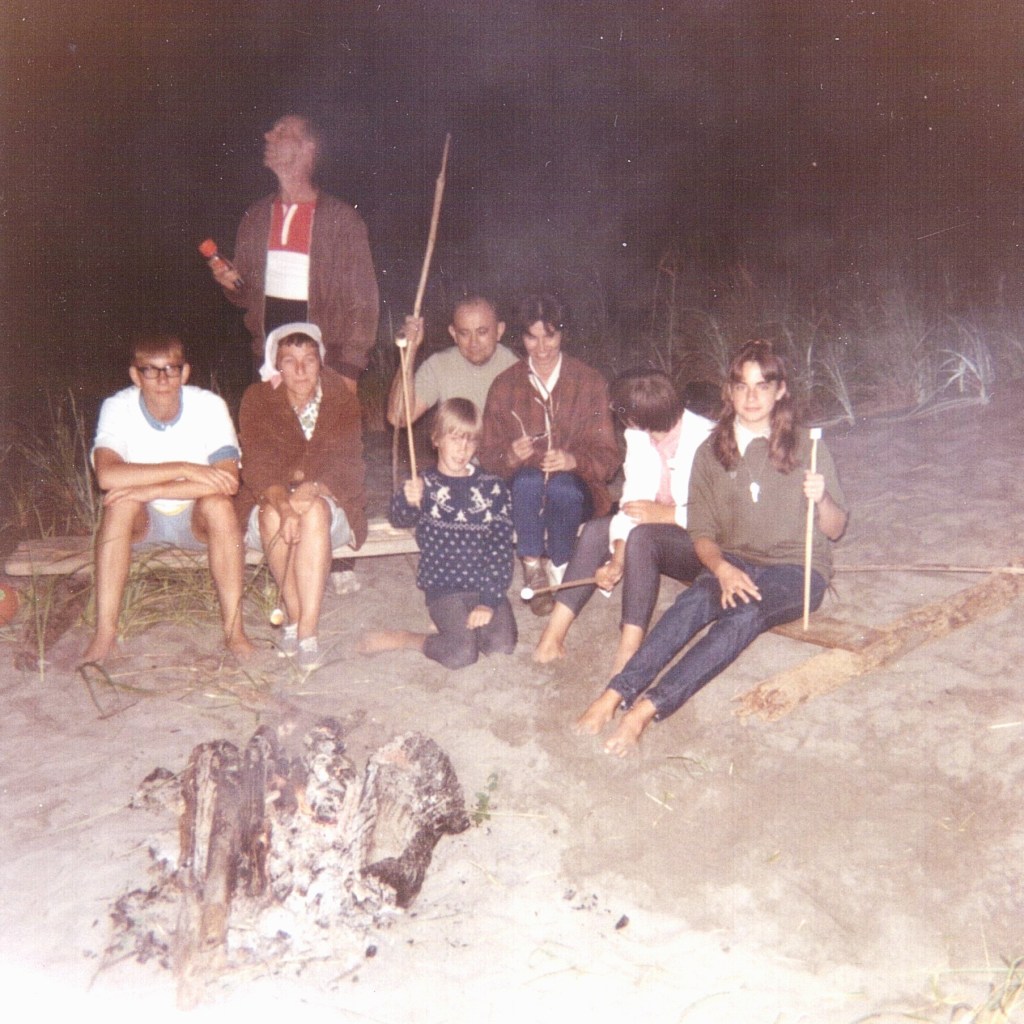
It’s a funny thing, when I started thinking about this topic, I could not remember a time when roasting marshmallows was not a part of my family’s annual vacation to Long Beach, Washington, for two weeks each summer.
So long as it wasn’t raining, after dinner was finished and everyone was dressed appropriately, we would walk down past the dunes and onto the beach for our nightly fire. In my minds eye I can see my mom in her pedal-pushers, head scarf, jacket, and keds, walking ahead of me (in a single line as the path was narrow), the bag of marshmallows in one hand and a half dozen roasting sticks in the other. My dad would lead the way with newspaper, matches, and a shovel, ready to start the fire.
We kids were assigned the task of searching for pieces of wood to serve as kindling and, if luck was on our side, we’d also retrieve the occasional larger pieces left behind by some other campfire builder from a previous night.
Soon my dad had the fire going and the adults would tend it while the kids built sandcastles or played hide and seek in the nearby dunes.
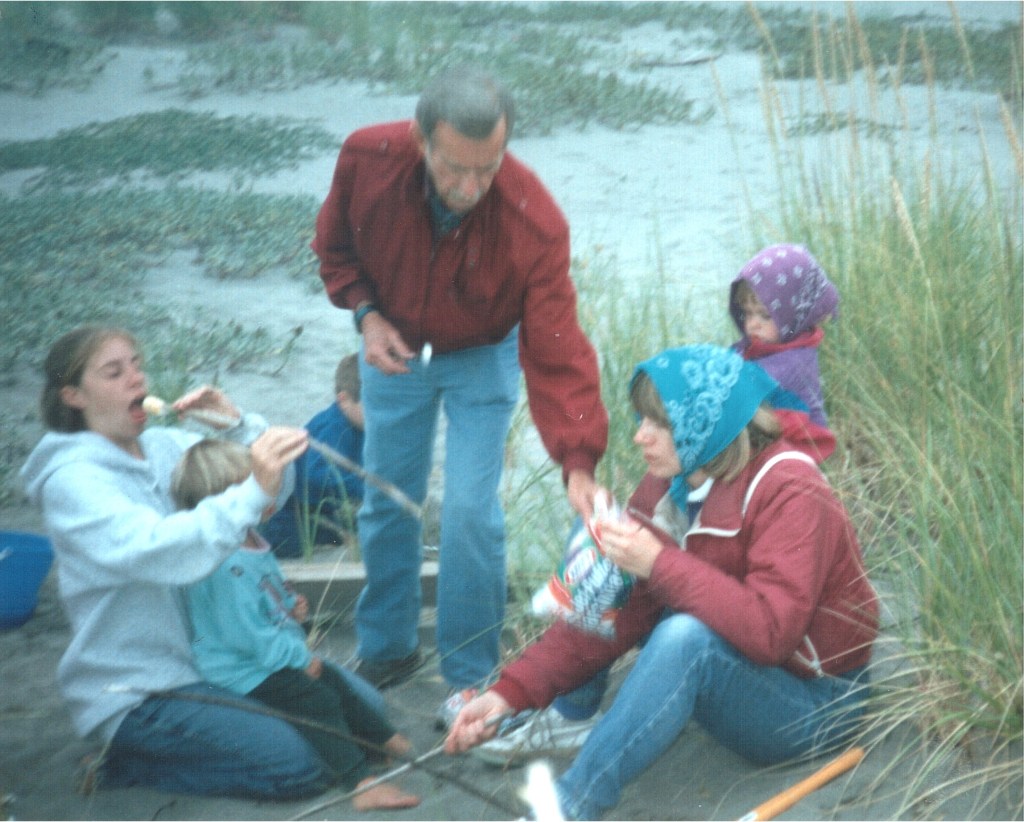
Just as the sky got dusky (in Washington state the sun sets as late as 9:14 p.m. in mid-June making for longer light filled evenings) it was time. We’d all assemble around the fire, jockeying for the best ‘spot’ and my mom would push a marshmallow onto the end of our sticks.
After we had our fill and the sky was fully dark, the uncooked marshmallows would be safely stored in their bag, and then my dad would shovel sand onto the remnants of the beach fire. Soon we reversed our earlier trip, following the beam of the flashlight my dad now held as he led the family back through the night to the rented cabin.
It was the simplest of traditions, but also the best. For the price of a bag of marshmallows everyone was entertained for the evening. No cell phones. No TV. Just two glorious weeks of fun at the beach capped off each night by roasting marshmallows around a fire. It doesn’t get much better than that.















 barbaradevore.com