Tag Archive | Seattle

Confessions of a former Tax Season widow

April 15th

April 15th is, in the United States, the day Federal Income tax is due from all citizens.

Federal income tax began in 1913, when the 16th amendment to the US Constitution was ratified by Congress and two thirds of the states. It all seems so simple. But of course, it is not. This is the opening paragraph of the veeerrry lengthy Infallible Wikipedia article:

“The United States federal government and most state governments impose an income tax. They are determined by applying a tax rate, which may increase as income increases, to taxable income, which is the total income less allowable deductions. Income is broadly defined. Individuals and corporations are directly taxable, and estates and trusts may be taxable on undistributed income. Partnerships are not taxed (with some exceptions in the case of federal income taxation), but their partners are taxed on their shares of partnership income. Residents and citizens are taxed on worldwide income, while nonresidents are taxed only on income within the jurisdiction. Several types of credits reduce tax, and some types of credits may exceed tax before credits. Most business expenses are deductible. Individuals may deduct certain personal expenses, including home mortgage interest, state taxes, contributions to charity, and some other items. Some deductions are subject to limits, and an Alternative Minimum Tax (AMT) applies at the federal and some state levels.”
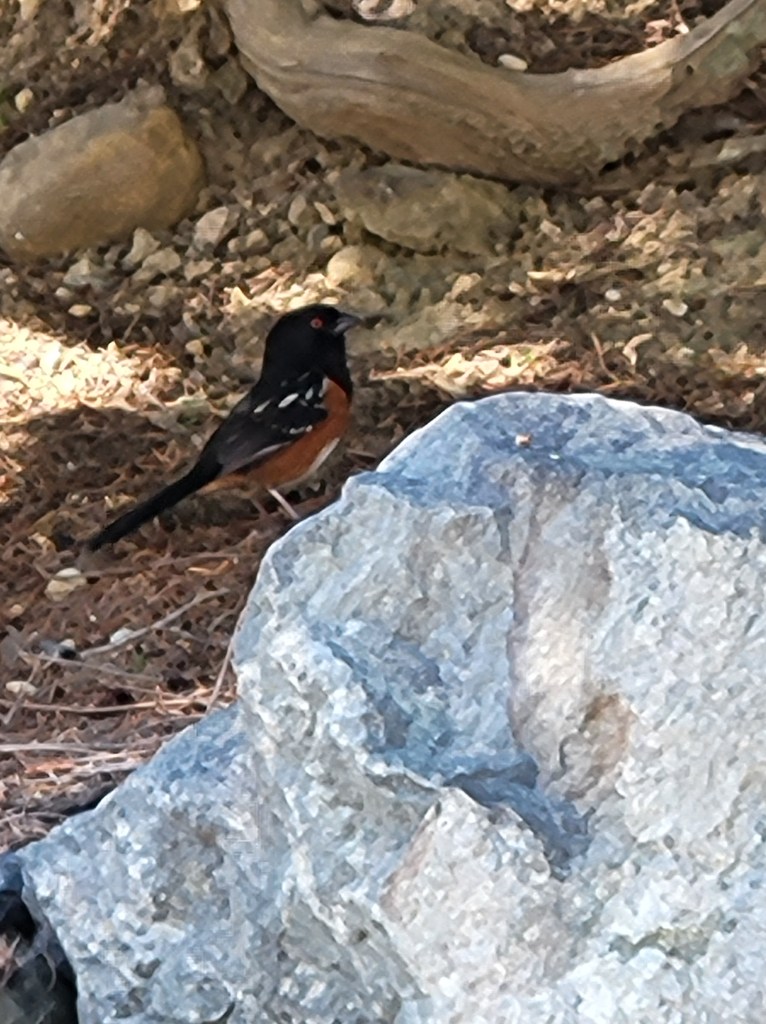
More interesting than taxes… a spotted towhee in the rockery I see from my office window.

Got that? Me either. In fact, my eyes glazed over just reading that and I decided that the spotted towhee I spotted in the rockery across the road is much more interesting.

But, as Ben Franklin once famously wrote, the only things certain in life are “death and taxes.”

So, dear readers, if your thing is dissecting the tax code and taking a deep dive into the history of marginal tax rates, or whether or not a progressive tax is even constitutional, knock yourselves out.

I, fortunately, am married to someone who has a four-year degree in accounting. He understands numbers. He understands how finance and taxes work. And for the first couple years we were married, I was an April 15th tax accountant widow.

For those who don’t know what that is, I shall enlighten you. For most Certified Public Accountants (CPA’s) the year is broken up into two parts. There’s tax season and then everything else.

For everything else that means handling mostly business-y type things – quarterly taxes and financial statements. More things that make my eyes glaze over and rollback in my head.

When it’s these types of things, the CPA can expect to get into the office at a reasonable 8 to 9 a.m. and leave at a reasonable 5 to 6 p.m. You know, normal-ish business hours.
But then January happens. When the new year arrives, so do all the various documents from employers which the US Government requires be sent out. These trigger tax season. W-2’s and 1099’s must be sent to employees and independent contractors no later than January 31st. Every year. No exceptions.

On February 1st, if you are married to a practicing CPA, kiss your social life goodbye because weekends become non-existent. Holidays such as Valentine’s Day and President’s Day? Well, you might get them off but plan to snuggle up with your blanket and favorite Hallmark movie or go skiing by yourself because your CPA spouse will be working.

This goes on, of course, until midnight on April 15th since that’s the moment ALL taxes (and extensions if your taxes aren’t yet done) must be postmarked or electronically submitted to the IRS.

But sort of like getting over a bad cold or the flu, recovering from tax season takes some time. By early May, your CPA spouse is probably back to semi-normal hours. Thank goodness the IRS set the taxes due date in April. That way – at least in the northern part of the U.S. – you are not missing out on nice weather.

When I mentioned to the hubby that I would be featuring the Income Tax for today’s Tuesday Newsday he immediately told me about his ‘liberation’ day.

It was fairly early in our marriage, and I never knew about this experience for him until last week. Since graduating from college in 1978, he had worked as a CPA for two different firms in greater Seattle. He worked at Christensen, Schafer, and Husmo (C, S & H), in Burien for a couple of years but made a change to Don Sparling and Co. to gain much needed auditing experience. Everything was great at Sparling until the owner’s nasty divorce derailed the business. The hubby lost his job but, in the spring of 1981, was rehired by C, S & H as they had recently gotten a new client who needed an auditor: Nintendo of America. Experience the husband had recently gained.

In the late spring of 1982 – after being their CPA for a year – Nintendo hired the hubby as their first Controller and he left the world of being a tax accountant.

On April 15, 1983 – a Friday – the high temperature in Seattle was 65 degrees and sunny with a bit of breeze. The perfect sort of day to do a little yard work. Since he was home from work while it was still daylight, he was outside doing yard work (I was probably inside making dinner) when he stopped for a moment and remembered that it was Tax Day. And that he was not going to be burning the midnight oil and felt an incredible sense of relief.

For the rest of his career, he has put his CPA training and math brain to good use whether as a company controller, a consultant, or – currently – with his volunteer work.

As for me, my eyes still glaze over when taxes, marginal rates, and exemptions start being discussed. I do my best to hide it but with little success. It’s probably best for me – and everyone else – that I stick to writing and leave the accounting to the professionals.

For the record, I did send this to the hubby for a bit of fact checking and he liked what I wrote but reminded me – and all of you – of the following: “Very entertaining! If you file for an automatic extension, you have an additional six months to file your return, but you still have to pay your estimated taxes by April 15th.”

So be sure to send the IRS your money TODAY by midnight and I hope everyone has a very happy tax day!

One link with links to the links to the links:

https://en.wikipedia.org/wiki/Income_tax_in_the_United_States

Billy Joel: The Iconic Journey of a Storyteller

The Piano Man

April 8

This song only ever reached number 25 on the Billboard Charts. Yet its one of the most memorable songs of the 1970’s and marked the beginning of one artist’s career which has spanned 50 years.

The song? The iconic “Piano Man.” The artist? Billy Joel.

It was in April of 1974 when “Piano Man” peaked on the charts. It could not even be described as a ‘one-hit wonder’ based on its ranking. By any measure, it should have faded away and been forgotten. Billy Joel, however, possessed the needed ingredients which have defined his long running career: grit, determination, and talent.

Undaunted by the middling success of “Piano Man” he continued to write songs and produce records. Both “Piano Man” and “Captain Jack” – his most successful early 1970’s releases – were an anathema to the music of that era. It was a time when soft rock and bubblegum dominated the pop category. I’m pretty sure no one was quite sure where this storyteller who saw and sang about the seamier side of life fit in.

“The Stranger” album, released in the fall of 1977, changed the public perception of Joel. I attribute it first and foremost to the song “Just the Way You Are.”  Written for his then wife Elizabeth Weber (married in 1974, divorced in 1983), I think it encapsulates a more optimistic look at life and, perhaps, that Joel was in a much happier place at that time as he had hit his stride with his career.

The American public responded. From the Infallible Wikipedia:

“Spending six weeks at No. 2 on the US Billboard 200 chart, The Stranger was Joel’s critical and commercial breakthrough. Four singles were released in the US, all of which became Top 40 hits on the Billboard Hot 100 chart: ‘Just the Way You Are’ (No. 3), ‘Movin’ Out (Anthony’s Song)’, ‘She’s Always a Woman’ (both No. 17), and ‘Only the Good Die Young’ (No. 24). Other songs, such as ‘Scenes from an Italian Restaurant’ and ‘Vienna’, have become staples of his career and are frequently performed in his live shows. The album won two awards at the 21st Annual Grammy Awards in 1979: Record of the Year and Song of the Year for ‘Just the Way You Are’. It remains his best-selling non-compilation album to date and surpassed Simon & Garfunkel’s Bridge over Troubled Water (1970) to become Columbia’s best-selling album release, with more than 10 million units sold worldwide. Rolling Stone magazine ranked the album number 70 on its 2003 list of the ‘500 Greatest Albums of All Time’, repositioned to number 169 in a 2020 revision. In 2008, The Stranger was inducted into the Grammy Hall of Fame.”

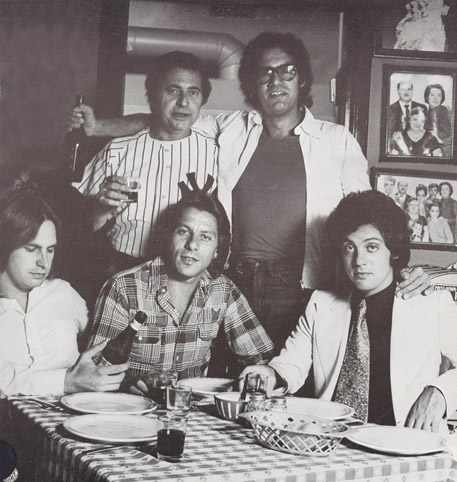
Billy Joel – seated far right – with members of his band at Guidos Italtian Restaurant. This photo was the back cover of the album, The Stranger.

As readers of my blog know, I greatly admire those who can tell a story through song. Joel has done this so very well. Perhaps my favorite of his ‘storytelling’ songs is “Scene’s from an Italian Restaurant.” When I listen to that song, I can visualize a couple of old friends – probably in their early 30’s – meeting up and soon their conversation is reliving the ‘good old days’ with such lyrics as:

Cold beer, hot lights
My sweet romantic teenage nights
.

My favorite part of the song has to be when he starts singing about prom king and queen, Eddie and Brenda, who were once the most popular kids in school. In a few short verses we learn about their marriage, their troubles, their divorce and that:

Brenda and Eddie had it already by the summer of ’75
From the high to the low to the end of the show
For the rest of their lives.

Storytelling at its finest.

It was in May 1984 when I attended my first rock concert. Yes, by then I was in my 20’s. My mother did not approve of rock concerts or anything else which might pollute young and impressionable minds so as a teenager going to such an event was forbidden.

I could have gone to a concert sooner, being that I had been an adult for several years. But after the hubby and I were married in 1980 we didn’t have the resources for such frivolities. Instead, we bought our first house in the spring of 1981 and then lived on rice and beans for the next few years, both of us going to jobs during the day, and fixing the house during the evenings and weekends. Our social life was the hubby playing on recreational soccer team; getting together with friends and family at our home our theirs, and going camping.

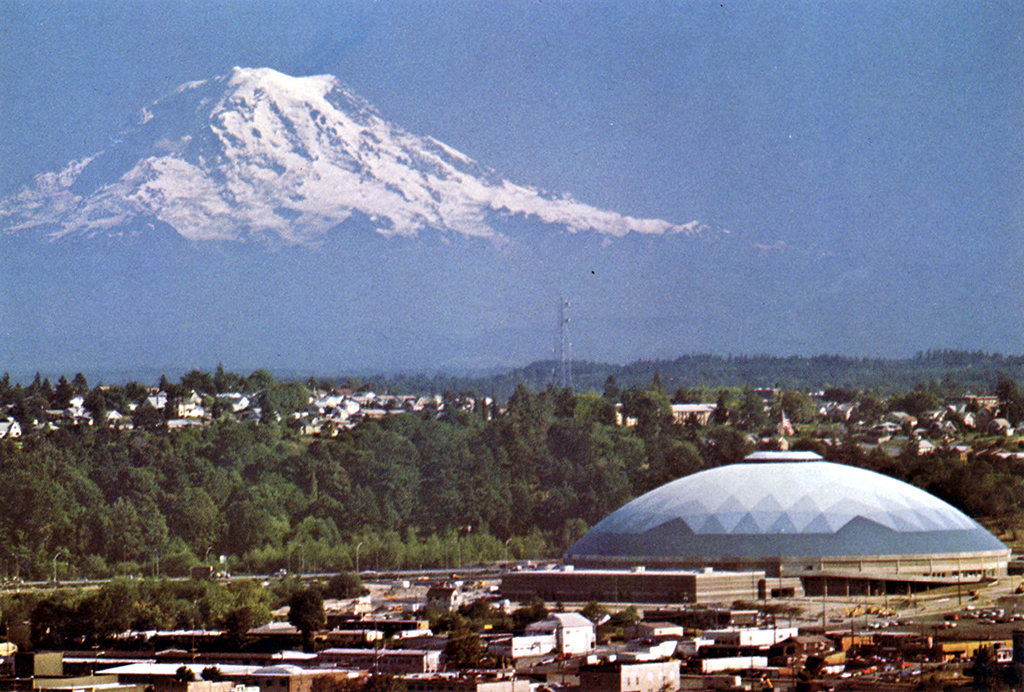
The Tacoma dome circa 1983-84

I can’t say for sure what inspired buying tickets for Billy Joel except that we both liked his music, me probably more than the hubby.

We drove from West Seattle to the Tacoma on Tuesday, May 8th, and joined thousands of our closest friends at the less than one year old Tacoma Dome (Billy Joel was the 9th artist to play there!). When the lights dimmed the arena went silent. In the dark we could see a grand piano slowly turning to the front of the stage, a lone performer sitting at the keyboard.

And then a single chord from the piano in the dark, instantly recognizable as the opening salvo of Joel’s then hit song “Allentown.” The arena erupted in applause. A solo spotlight appeared and shone down on Joel and, in that moment, he captured the room.

For the next couple of hours, we were treated to an energetic concert of old favorites and up and coming hits. It was a magical night and a great first concert.

I felt it was a privilege to have experienced Billy Joel perform live.

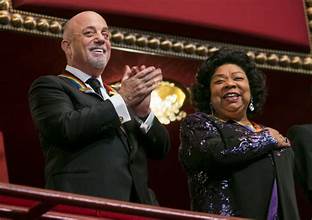
Joel was feted with the Kennedy Center honors in 2013. Pictured here with fellow honoree opera singer Martina Arroyo

Thank you, Billy Joel, for capturing the essence of the American experience through your incredible words and music.

There are soooo many links and so much more information I was not able to share in my self-imposed limited space. So here you go for some of the highlights including links to my three most favorite songs from Joel:

https://en.wikipedia.org/wiki/Billy_Joel

https://en.wikipedia.org/wiki/Piano_Man_(Billy_Joel_album)

https://en.wikipedia.org/wiki/The_Stranger_(album)

https://youtu.be/gxEPV4kolz0?si=TsMKJR-FE_lsLB4B (Piano Man)

https://youtu.be/GkuJJsApACc?si=J8-DxfhF7-e9ELU2 (Just The Way You Are)

https://youtu.be/izzM9LXqP-U?si=xlCLpepQV7n9nV7N (Scenes From an Italian Restaurant)

The Sigma Kappa Connection

The actual place which inspired the fictional Gamma Alpha Beta Sorority

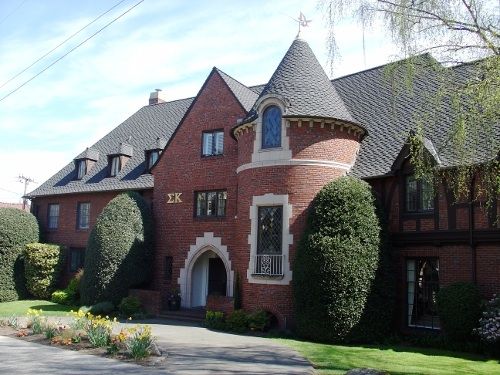
The Sigma Kappa sorority house at the University of Washington is on the National Historic Site.

The Sigma Kappa sorority house at the University of Washington is an enchanted place. The grandeur begins outside the front of the house with its classy brick façade and a stunning mix of Victorian and Tudor architecture. Truly notable is the three-story high round turret.

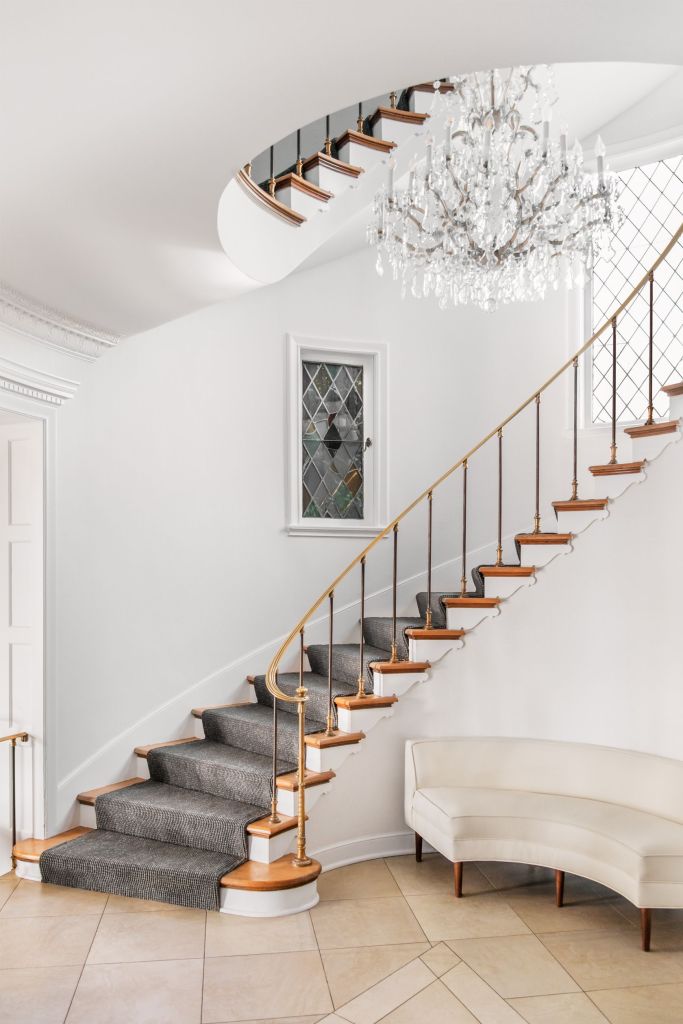
Once inside, the turret does not disappoint with its centerpiece being a wide and sweeping circular staircase which invites all eyes upward towards a magnificent crystal chandelier.

For a starry-eyed child, that staircase invited you into a place of fantasy and daydreams; up the stairs one would climb and promenade down them as if a princess, creating stories in one’s head.

Photo of the staircase as found on Pinterest

My first visit to this magical place was likely in the early summer of 1963. My grandmother, Alma DeVore, had taken a job as the housemother and, with the students gone for the summer, invited my family to come visit her at her new job.

I have no idea how many days we stayed, or if we even slept at the house. My older by two years sister says we stayed nearby at our uncle’s house. I was five at the time and I remember little about the visit to Seattle and the Woodland Park Zoo and more about the Sigma Kappa house.

There was a skybridge which connected the formal living areas to the dining hall and kitchen. In the basement were all sorts of mysterious rooms including one painted bright purple which we were told was the chapter room. Around every nook there was another cranny.

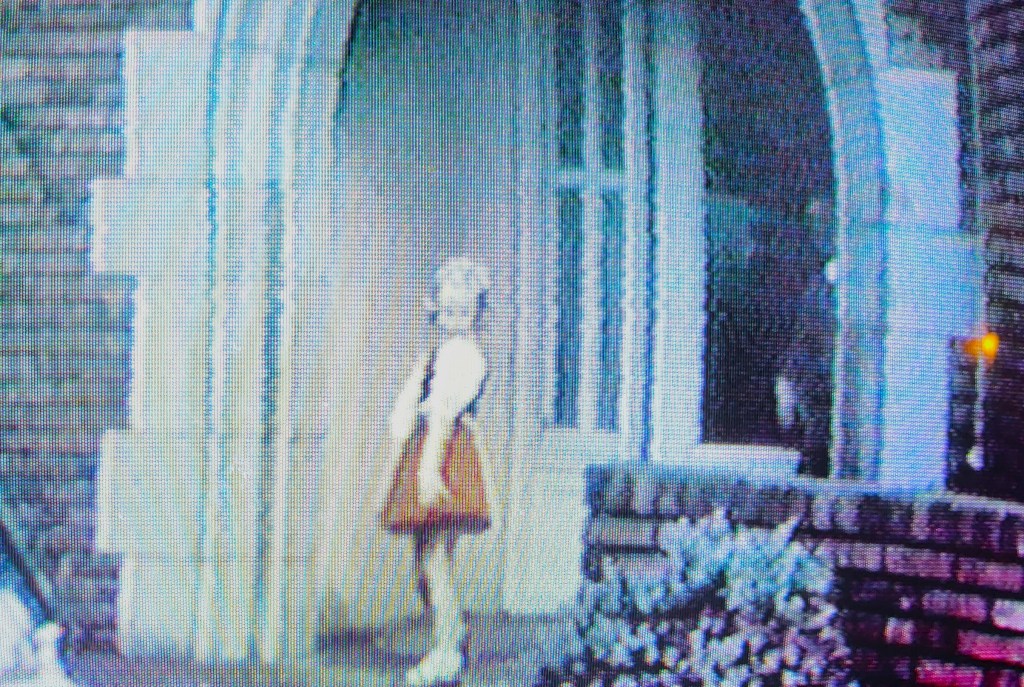
The author captured on a grainy video from 16 mm home movies 1963

Hallways were lined with closed doors to, undoubtedly, the private rooms of the members. At the very top level was a long sleeping porch with parallel rows of bunk beds where all the members slept. There was a back staircase leading to new and interesting spaces. It was the ultimate place to play hide and seek as you could scurry up one set of stairs and down another and through different corridors.

Through photos and documents which she had kept – and are now in my genealogy collection – I’ve determined that my grandmother must have arrived as the housemother beginning in January of 1963.

In 1946, the opportunities for women to earn a living were limited. On September 17th of that year she found herself a widow. Here she was, 46 years old, and with – at most – a high school education; she had no marketable skills beyond having raised three children: my uncle Lyle, my dad, Vince, and their younger sister, Arlene; and managing her own household.

Fortunately for her, she lived in Walla Walla, Washington at the time and was hired as the housemother for the Tau Kappa Epsilon (TKE) fraternity.

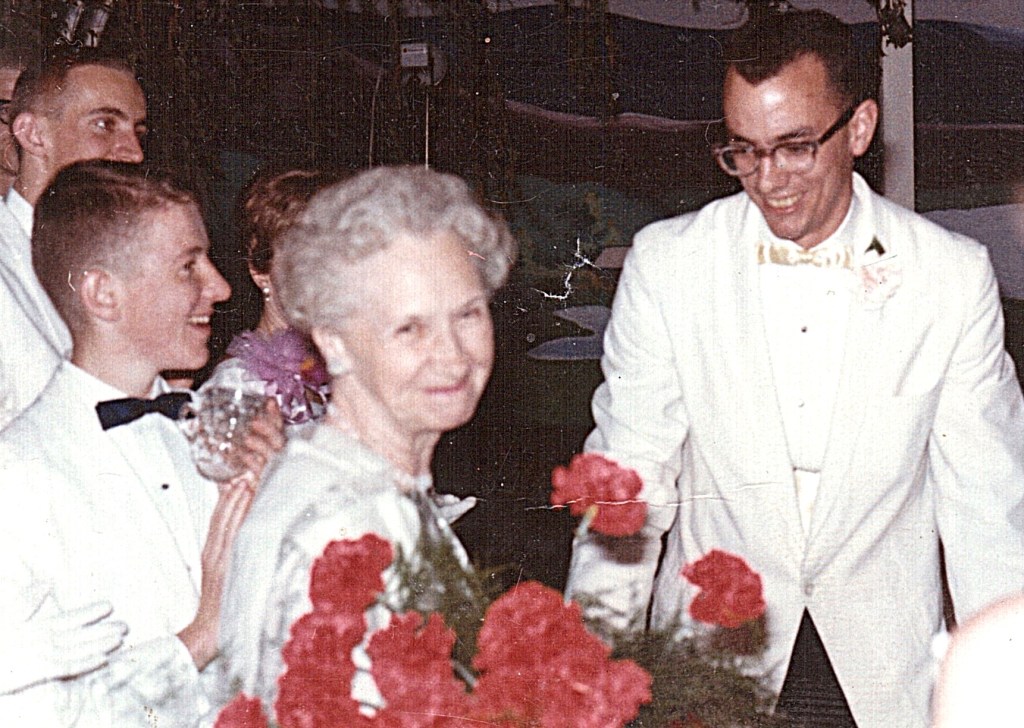
My grandmother with the TKE fraternity members at Whitman College in late 1962 at her Farewell party.

The TKE years were good ones for her from what I’ve been told. She enjoyed the young men who were members and there was a camaraderie with the other housemothers. I can’t say for sure why, exactly, she left Whitman and took the job at the Sigma Kappa house except that it brought her closer to my Uncle Lyle and his family who moved to the Ravenna neighborhood in Seattle in the mid-1950’s. Although my parents lived in Walla Walla after both graduating from Whitman and by oldest brother having been born there, my family had left the community shortly after his birth as my dad had been transferred to Moscow, Idaho with his job at National Cash Register.

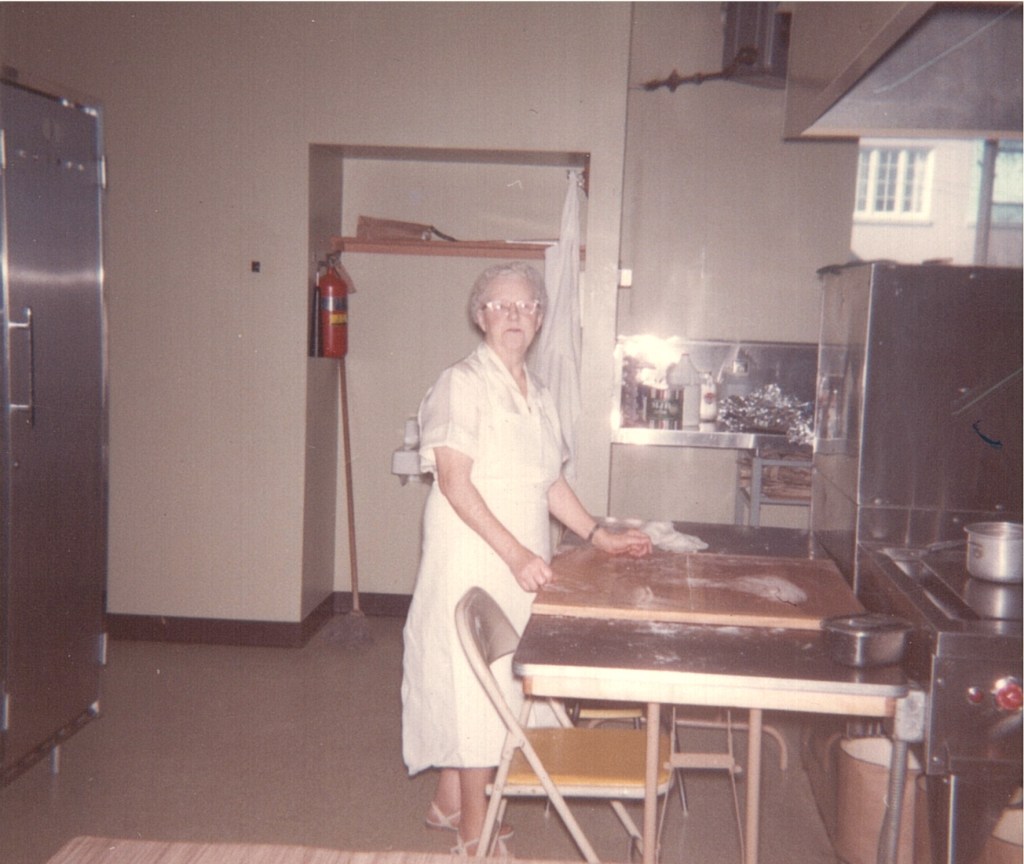
Cook Anna Blomgren in the Sigma Kappa kitchen 1965
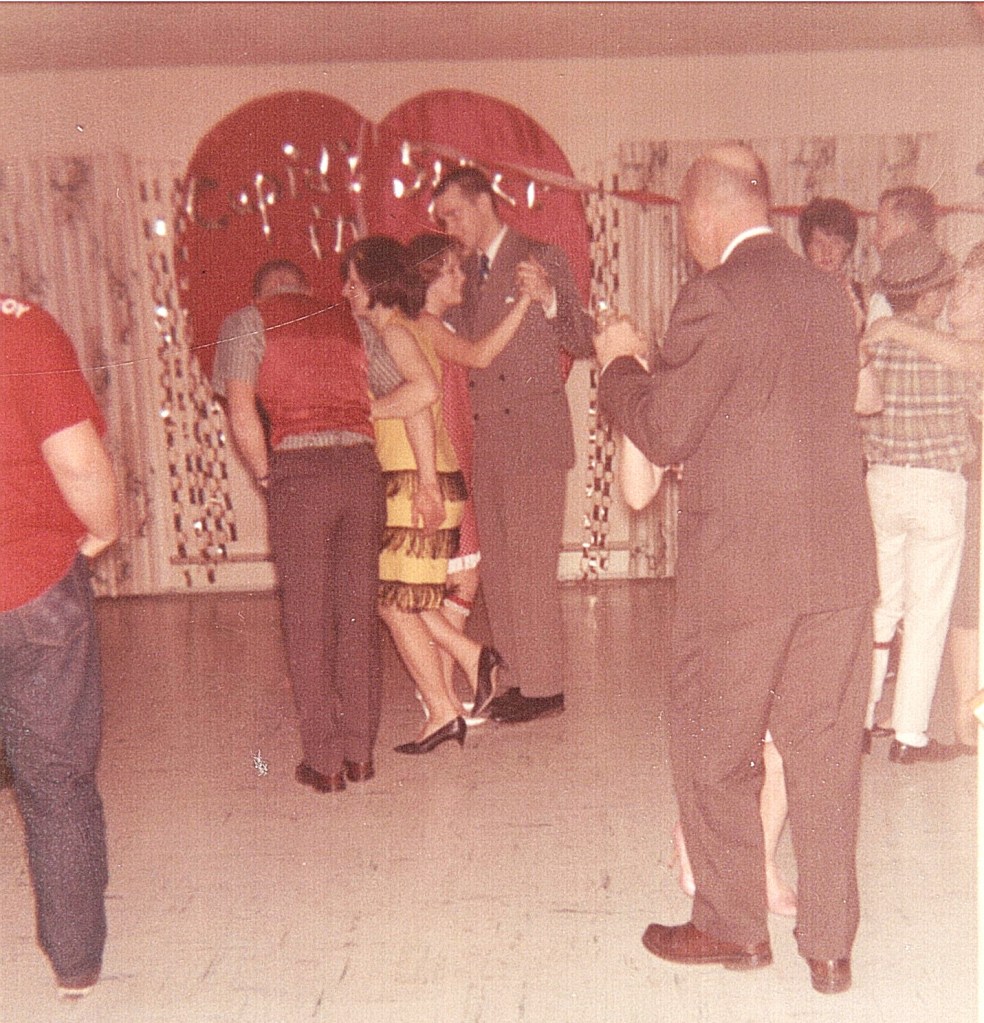
Valentine’s Day ‘Gay 90’s’ shared dance with the Zeta Tau Alpha sorority February 1966

The only other time I know for sure we visited her there is in March 1965. That winter, in Yakima, Washington, where I grew up, the entire town is abuzz. Competing in the State AA Basketball playoffs were our crosstown rivals: D.D. Eisenhower (Ike) and A.C. Davis high schools.

The University of Washington was, I suspect, the best possible choice to be closer to one of her children and family and be able to support herself.

My dad, who had left National Cash Register 1961, returned to college to get a degree in Education, now taught Washington State History to ninth graders. He loved teaching and was invested, particularly, in the local sports community. At the end of the Region 4 semi-final round on March 13th, Ike lost to Davis who was now poised to play at the Seattle Center Coliseum the next Friday.

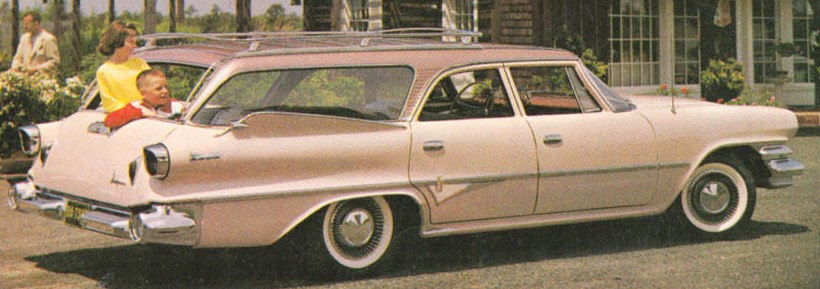
Although neither of my brothers went with us – my oldest brother attended Ike and would not have anything to do with Davis – my Dad was undeterred and my sister and me – now ages 9 and 7 – were loaded in the 1960 pink Dodge station wagon, and drove with our parents to Seattle on Friday, March 19th.

While I don’t recall a lot of the details, I do know that it was the UW’s Spring break, so the house was empty of sorority girls. And I got to live out every fantasy I had about that house. I was in heaven.

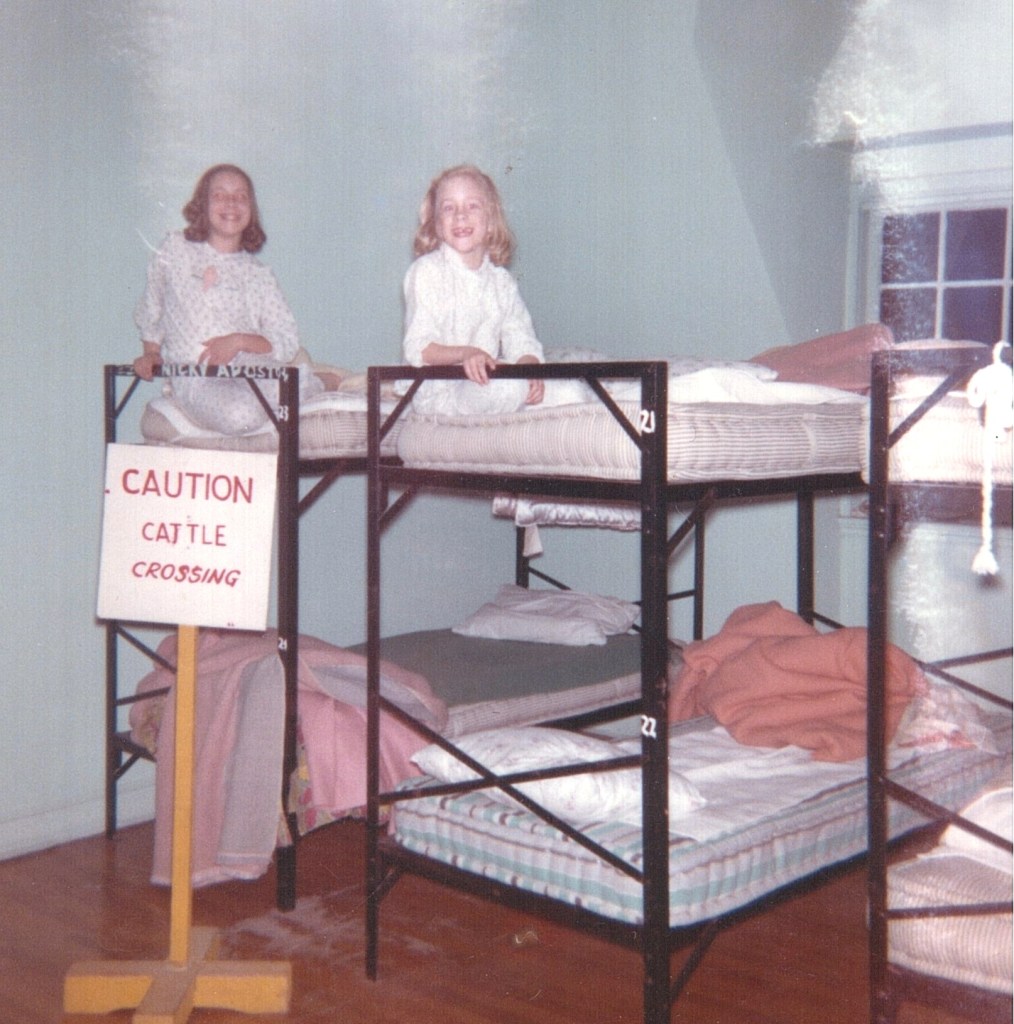
My older sister (left) and me on the Sigma Kappa sleeping porch March 19, 1965.

That evening, while our parents went to the basketball games, my sister and I stayed with our grandmother and even got to sleep on the sleeping porch!

Davis won and would be in the championship game the next evening! Once again, we hung out with grandma while my parents went to the game, my dad thrilled when Davis beat Roosevelt 66-49 for the 1965 AA state basketball championship.

Sometime late that evening, our parents arrived back at the Sigma Kappa House, and put my sister and me to ‘bed’ in the back of the Dodge station wagon. We traveled home that way, snuggled in sleeping bags with our heads on pillows that let us look up at the sky while we drove through the dark mid-March night.

My last memory of that trip is of looking up at the snow falling that night on Snoqualmie Pass, swirling in mesmerizing chaos, with the thick flakes illuminated by car headlights shining through the window behind our heads.

Not the DeVore family car, but ours WAS this same pink color and, apparently, those children also rode without seat belts in the back of the wagon.

My grandmother, born March 15, 1900, seems to have retired at the end of the 1966 academic year. Some 15 years earlier she had bought a house in Spokane. She had it converted to a duplex which she rented out for all those years when she was a housemother! In going through her papers, it was apparent that, despite not having a college degree, she was a determined woman who did not wallow in her grief, but pulled on her work boots to insure her own future. She retired to Spokane and lived in the left half of the duplex, renting the right half out until her much too early death in January 1970.

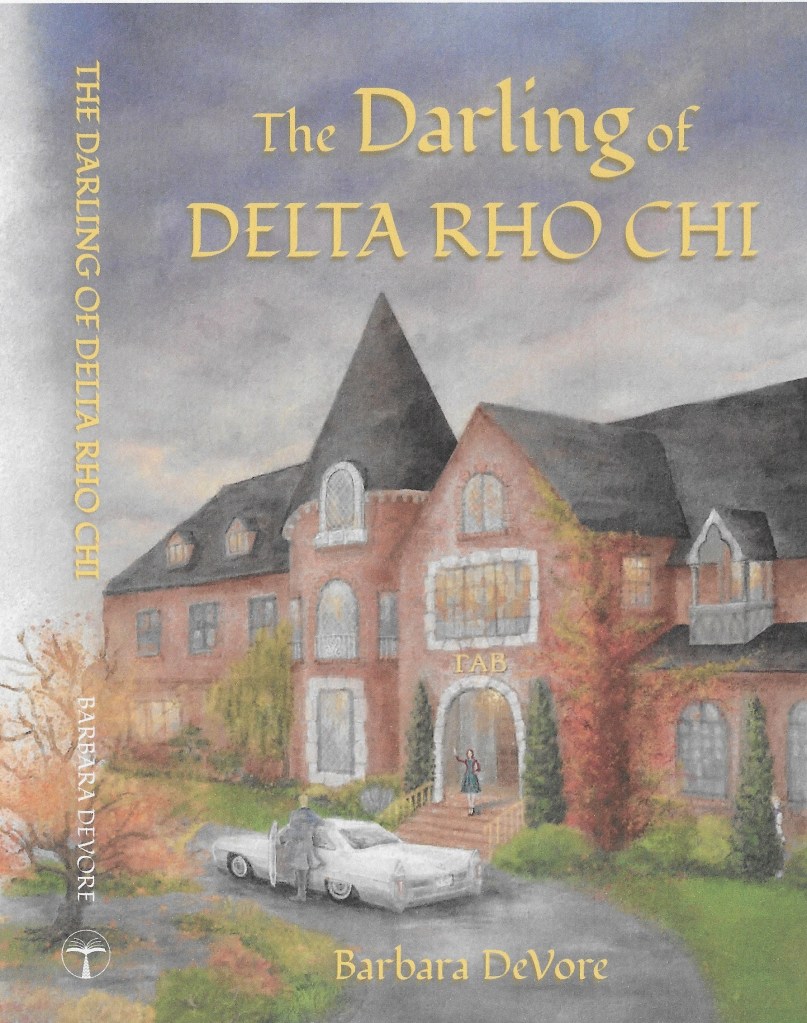
I have never gone back to the Sigma Kappa house. I think if I did it would seem smaller and less grand than my memories. Instead, it has morphed into the Gamma Alpha Beta sorority, as much a ‘character’ in ‘The Darling of Delta Rho Chi’ as Elise, Riley, Jack, and Virginia.

A few links:

Designation as a National Historic Site:

Have to have one from the Infallible Wikipedia https://en.wikipedia.org/wiki/Sigma_Kappa

A link to the official chapter page: http://washington.sigmakappa.org/

Program from the 1965 State AA basketball championship: https://issuu.com/tacomasportsmuseum/docs/2018.29.02

Article from the Yakima Herald Republic:

What If…

…is the essence of every story an author writes.

October 22, 2024

Whenever I set out to write a novel, I always start with the words ‘What If?” I cannot speak for other authors, only myself, but I can imagine a couple of other authors who might have done just that.

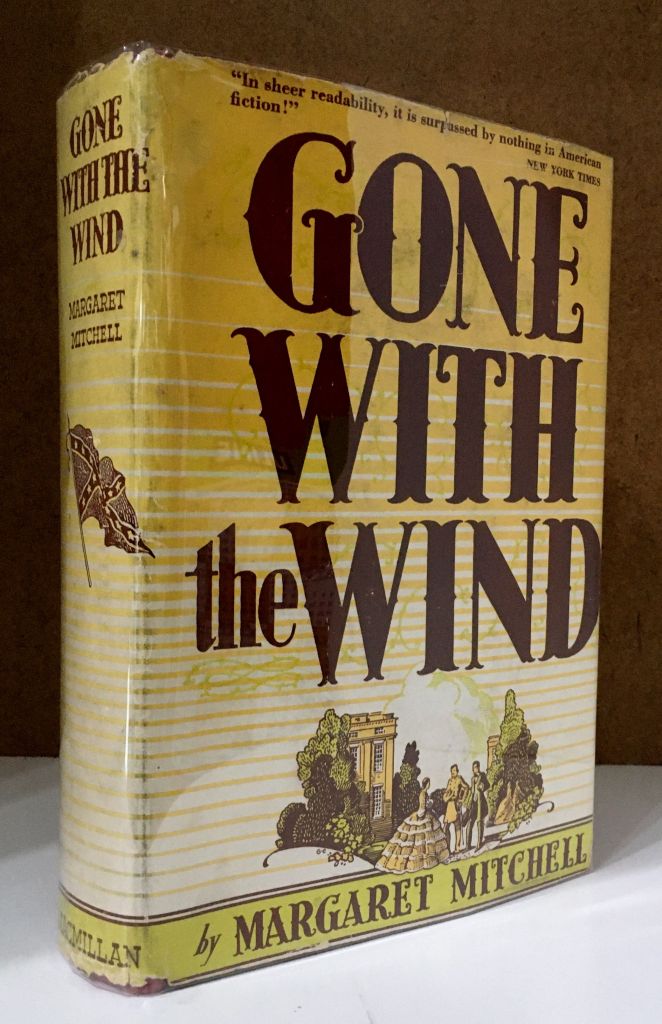
For example, “What if a woman, whose home is nearly destroyed by an invading army, uses her feminine wiles to seduce a rogue of a man who she thinks can save her?” That just might have been the question Margaret Mitchell asked when she wrote Gone With The Wind.

Or, try this one, “What if a young orphan is invited to attend a school because he possesses skills and abilities he doesn’t realize he has? And then he enters a world where wonderful and frightening things happen to him?”  This would be a very broad overview of Harry Potter’s world.

Over ten years ago, I posited the following ‘What If?”

‘What if’ a widow were to become a housemother for a sorority in the 1960’s?’

Since this really happened to my grandmother, Alma Beatrice DeVore, it wasn’t a big stretch to imagine that scenario. But beyond the fact that this was my grandmother’s career from her late forties and into her early sixties, the similarities to the world I’ve built for the Gamma Alpha Beta’s and the Delta Rho Chi’s ends there.

In ‘The Darling of Delta Rho Chi’ we meet Elise Ellingson (in tribute to my grandmother whose maiden name was Ellingson!), a 37 year old widow who finds the job of housemother daunting. Not only is Elise a widow, but she’s never been a mother and is ill-equipped to provide guidance and counsel to the young sorority women given to her care. Enter 18-year-old Riley Paxton, a handful of a girl whose behavior forces her father, Jack, to arrive on the scene to rescue his daughter from the rigid and dictatorial housemother.

None of that happened to my grandmother, who as far as I know, never got romantically involved with a parent nor did she have such a difficult charge in her house. All similarities to real life ended when I started to type the first lines of the story.

Writing a full length novel is one thing. Seeing it through multiple edits, deciding on a publisher, rewrites, perfecting the copy for the back cover, finding someone to bring your vision of the cover art to life, obsessing over the minutiae of a very brief pitch to grab potential readers’ interest on Amazon, and on and on and on, takes a level of dedication you only understand once you’ve done it.

Which brings me to this day. I am thrilled to report that ‘The Darling of Delta Rho Chi’ – the first of a four book series about the men and women who belong to the fictional Greek society world at the University of Washington – is a mere weeks away from birth!

Look for a link very soon on my blog. Who knows, with any luck, the books and the author just end up on the Infallible Wikipedia one day.

Dan Fogelberg

A Troubadour for the Ages

August 13, 2024

A Tuesday Newsday Classic

The year was 1979 when this artist entered the American consciousness with a song destined to become a wedding favorite. No doubt he never intended for that to be the case but said of the song, which he wrote while vacationing in Maui, that he was “”lounging in a hammock one night and looking up at the stars. It just seems this song was drifting around the universe, saw me, and decided I’d give it a good home.”

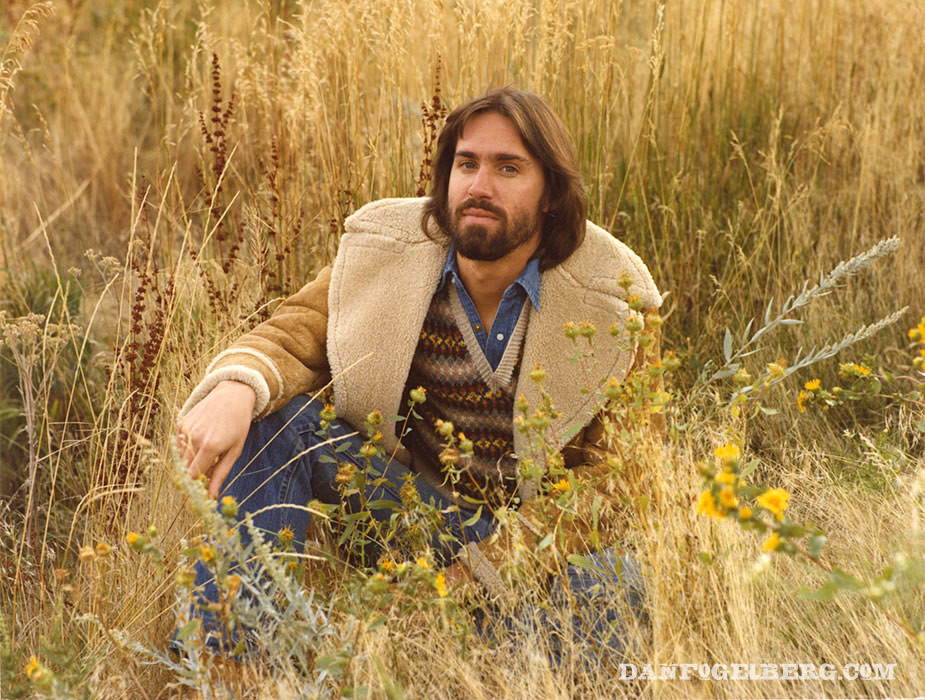
Dan Fogelberg late 1970’s early 1980’s

The song was Longer. The artist Dan Fogelberg, who was born on August 13, 1951.

Although Fogelberg had another hit song, Part of the Plan in 1974, it was the song Longer which was his most commercially successful song. It peaked at number 2 on the Billboard Hot 100 in March 1980 and created a fan base of twenty-something young women.

This was due to a number of factors: first, he was an incredible songwriter. His true gift was as a storyteller who could set his tales to music.  He encapsulated human emotion into concise, memorable lyrics which managed to tug at one’s heartstrings and, often, produced ennui. His voice possessed qualities which carried the listener to another place and time, evoking sentiment and meaning with his rich vocals. And, because so many of his songs were written from personal experience they were believable and relate-able.

In a short time period after Longer – which did top out at number 1 on the Adult Contemporary charts – a series of memorable hits followed.

According the Infallible Wikipedia:

“The Innocent Age, released in October 1981, was Fogelberg’s critical and commercial peak. The double album included four of his biggest hits: “Same Old Lang Syne”, “Hard to Say”, “Leader of the Band”, and “Run for the Roses”. He drew inspiration for The Innocent Age from Thomas Wolfe’s novel Of Time and the River. A 1982 greatest hits album contained two new songs, both of which were released as singles: “Missing You” and “Make Love Stay.” In 1984, he released the album Windows and Walls, containing the singles “The Language of Love” and “Believe in Me.”

While Dan Fogelberg was not a flashy performer, his concerts capitalized on the very qualities I listed above. I was privileged to see him perform live twice. The first time was in 1994 for an acoustic concert at the Paramount in Seattle. It was just Dan and the instruments he played, primarily guitar and piano. He connected with the audience and was passionate about his music but also about his commitment to environmental causes.

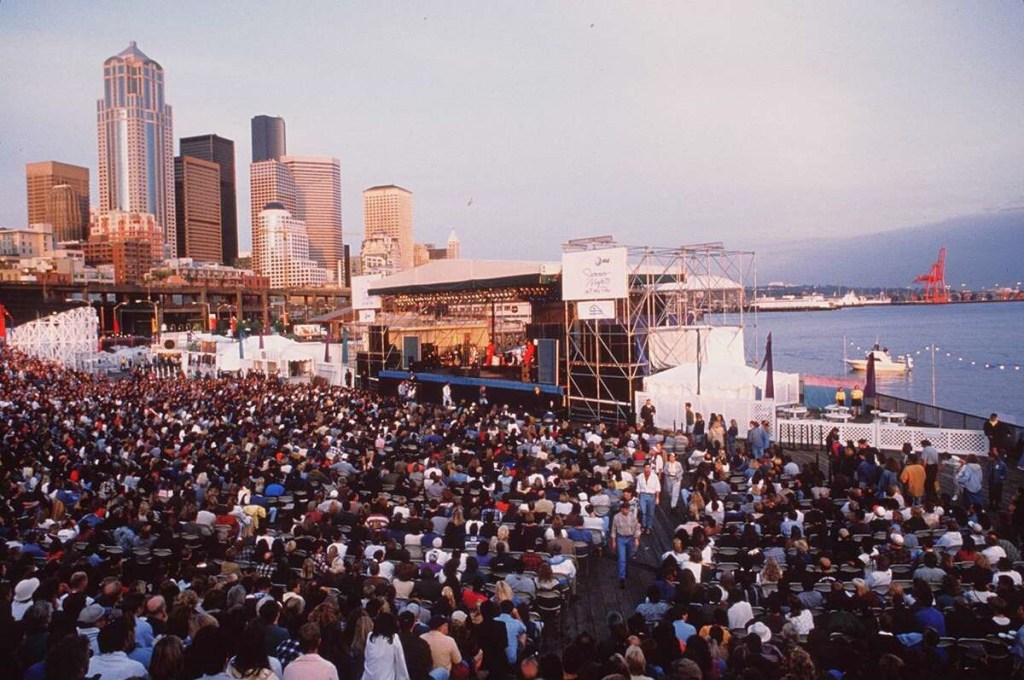
Seattle P-I archive photo of Summer Nights at the Pier in Seattle. Circa 2002

The second time was at a Summer Nights at the Pier concert in the early 2000’s. I’m not entirely sure which year it was as he played there in 2000, 2001, and 2002 from what I’ve been able to research.

What I do know is that the hubby and I experienced a magical Seattle evening on Elliott Bay enjoying Dan Fogelberg as he shared his music.

Sadly, he was diagnosed with advanced prostate cancer in May 2004 and died on December 16, 2007.

But what gifts he shared with the world! He released 16 studio albums and 21 singles. His greatest success was on the Adult Contemporary charts. Of the 21 singles, four went to number one and a total of 12 were top ten hits.

As one of my favorite ‘hitchhikers’ he often kept me company in my frequent treks back and forth across the mountains to care for my parents. There are so many great songs that it’s difficult to pick just one. So I’ll pick two instead.

The first one is easy as it was the song of his I fell in love with and that would be Longer. Despite having friends who suggested that having it sung at our wedding would be too predictable (it charted in March 1980 – I was married in August that year), my sis-in-law did a beautiful rendition and the song will forever have a tender spot in my heart.

The second one is also from his Innocent Age album. It was never released as a single (although it was the B-side of Run For The Roses) and, I would guess, most people have never heard it. It is, however, a gorgeous song which showcases his talent. The song is titled The Sand and the Foam and here’s a YouTube link. No flashy video. Just pure, unadulterated music by my favorite artist.

And a couple of links:

https://en.wikipedia.org/wiki/Dan_Fogelberg

https://www.danfogelberg.com/

The Kingdome

Years to build… 17 seconds to implode…

March 26, 2024

The era of professional football in the United States was ascendant in the 1950’s and into the early 1960’s. Pretty much every major city in the United States wanted to get in on the action.
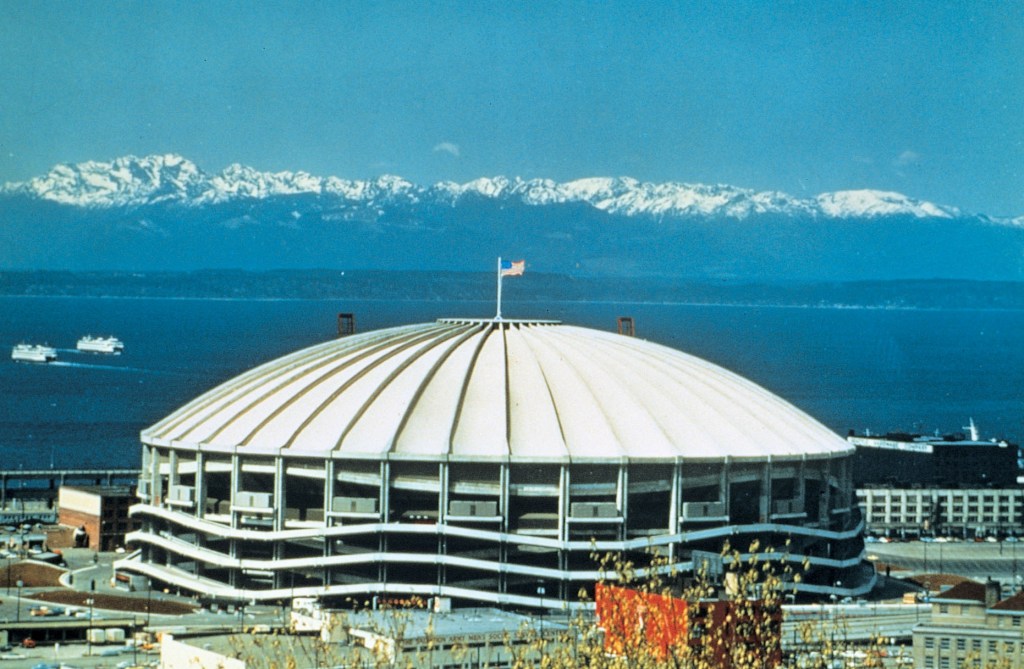
On the day of the Mariner’s last game in the building 1999.

But for many cities, weather was a limiting factor. After all, playing in a foot of snow, blistering heat, or constant rain, was not ideal for the players or the fans. In the 1950’s the dream of indoor stadiums took hold. It was in Houston, in the early 1960’s, when the first such venue – the Astrodome – became a reality. Others followed.

Many in Washington State longed to have a pro-football franchise and believed the rainy climate on the west side of the Cascade Mountains called for an indoor stadium. Thus began the quest to build what would eventually be named “The Kingdome.”

It was in 1959 when the idea was first proposed but it took until 1976 for the vision to become a reality. The Infallible Wikipedia tells us:

“The idea of constructing a covered stadium for a major league football or baseball team was first proposed to Seattle officials in 1959. Voters rejected separate measures to approve public funding for such a stadium in 1960 and 1966, but the outcome was different in 1968; King County voters approved the issue of $40 million in municipal bonds to construct the stadium.

Jim Zorn and Steve Largent in the early days of the Seahawks franchise

Construction began in 1972 and the stadium opened in 1976 as the home of the Sounders and Seahawks. The Mariners moved in the following year, and the SuperSonics moved in the year after that, only to move back to the Seattle Center Coliseum in 1985.”

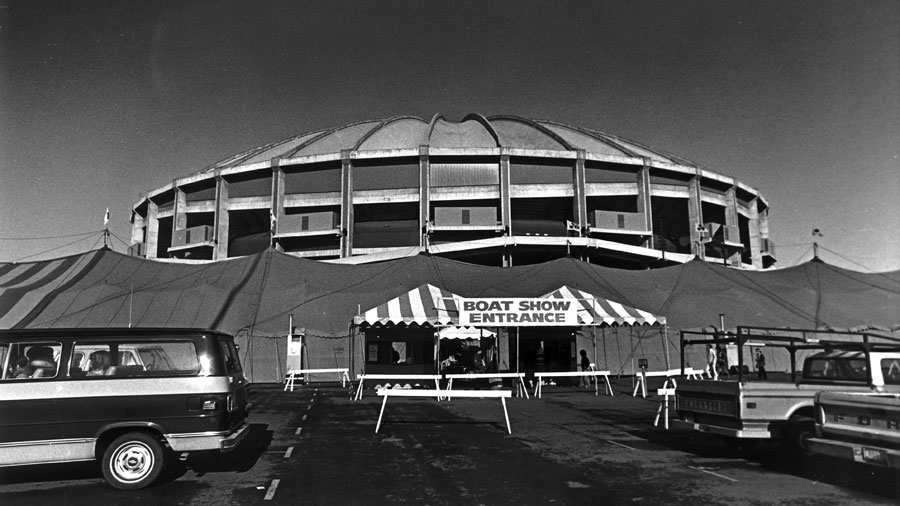
The Kingdome, named as such due to its location in King County, Washington, served the community as a venue not only for the Seahawks and other sports teams, but also as an event center to host large events such as the Seattle Home Show and the Seattle Boat Show as well as many rock concerts over the years.

“In the Seahawks’ heyday, the Kingdome was known as one of the loudest stadiums in the league. Opposing teams were known to practice with jet engine sounds blaring at full blast to prepare for the painfully high decibel levels typical of Seahawks games. It was where Seahawks fans, who were long called “the 12th Man” and led the Seahawks to retire the number 12 in honor of them in 1984, made their reputation as one of the most ravenous fan bases in the NFL, a reputation that has carried over to what is now Lumen Field. The Kingdome’s reputation contributed to the NFL’s 1989 vote in favor of enacting a rule penalizing home teams for excessive crowd noise.”

A view of the Kingdome during one of the Boat Shows

But, if there was one word to describe the Kingdome it would be ‘utilitarian.’ How else to explain the huge gray cement mushroom which lacked any aesthetic appeal? But it did the job and also became infamous among the indoor venues for the noise levels. Also from the Infallible Wikipedia:

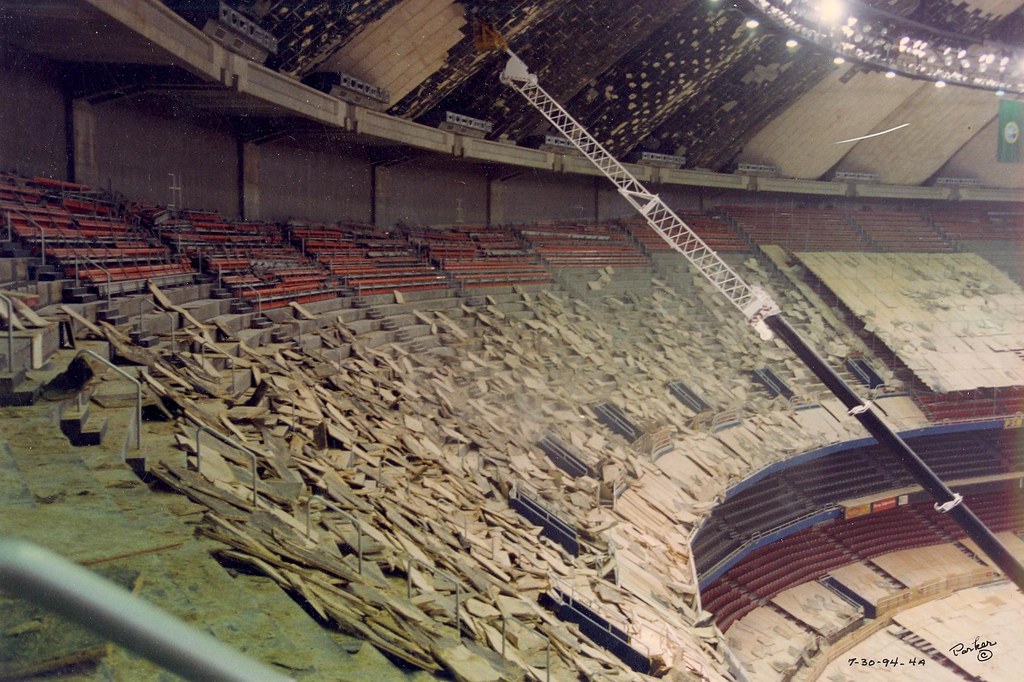
By the 1990’s, the first iteration of domed stadiums had outlived their appeal and useful life. The Kingdome’s roof – problematic from the beginning – had a partial roof collapse in July 1994, and the venue was closed for repairs for nearly four months. But the problems did not end there, threats by then owner, Ken Behring, to move the team out of Seattle – and the Mariners insistence on a new baseball venue – eventually led to the decision to replace the Kingdome.

It was on Sunday, March 26, 2000, when the Kingdome was finally reduced to a pile of rubble, paving the way for the construction of the next generation of a football stadium in Seattle.

The interior of the Kingdome in 1994 during removal of the ceiling tiles.

It was a clear and pleasant day and, of course, all the local TV stations had been covering the story for months as everything from inside the building was removed leaving, at last, the concrete shell. For weeks – who knows maybe it was months – holes were drilled in the walls and a serpentine of detonating cord was laid. Eventually dynamite was inserted into the holes and it was all connected up in anticipation of the implosion which would take down the concrete beast.

At the time, my family was living on the eastside of Lake Sammamish, about 13 miles – as the crow flies – from the Kingdome. We gathered around the TV and watched live as the first sticks of dynamite on the roof sent streaks of sparks down the spines and the chain reaction encircled the building. It was over in a matter of seconds as clouds of dust obliterated the area. Me, the hubby, and our two kids – then ages 10 and 7 – once the main event was over, rushed out to our west facing deck and a few seconds later the sound waves of the Kingdome’s demise reached us.

A recap of King5’s coverage and a bit of history of the Kingdome. We were likely watching this channel that morning.

It was a surreal experience.

In some ways I miss the Kingdome and all it represented. It was Seattle – and Washington States’ – message to the world that we were ready to play with the big boys. The construction of the Kingdome represented a heady era in Seattle as we welcomed the Seahawk celebrities of the era: Jim Zorn, Steve Largent, and Sherman Smith to name a few. We were hometown proud of the Nordstrom family for owning the team and you could find no more loyal fans anywhere.

It was, truly, a bittersweet day when the Kingdome came down. It’s been gone for 24 years now but for those of us who lived in King County in that era, it won’t ever be forgotten.

https://en.wikipedia.org/wiki/Kingdome

https://youtu.be/Yt2ekbkDVv4?si=MPgKbrFeS3BCkCtZ – Issued on the 20th anniversary from the Seahawks is this recap of the implosion

https://www.concertarchives.org/venues/kingdome

https://en.wikipedia.org/wiki/Astrodome

https://www.historylink.org/File/2164

Tacoma Narrows Bridge

The rise and fall of Galloping Gertie

November 7, 2023

A Tuesday Newsday Classic

Galloping Gertie just before the collapse on November 7, 1940

Last week we explored the world of horseracing and author Dick Francis. This week we will be discussing galloping. But unlike how a horse gallops, this galloping took place on November 7, 1940 and has since become a text-book example of what NOT to do when building a bridge.

It was on this date when the Tacoma Narrows Bridge collapsed and sank. It was dubbed ‘Galloping Gertie’ as even the most gentle of breezes would cause the roadway to sway. I can only imagine the feeling of unease one had when driving over the structure.

For a local newsman it proved terrifying. From the Infallible Wikipedia:

“Leonard Coatsworth, a Tacoma News Tribune editor, was the last person to drive on the bridge:

‘Around me I could hear concrete cracking. I started back to the car to get the dog, but was thrown before I could reach it. The car itself began to slide from side to side on the roadway. I decided the bridge was breaking up and my only hope was to get back to shore.

‘On hands and knees most of the time, I crawled 500 yards or more to the towers… My breath was coming in gasps; my knees were raw and bleeding, my hands bruised and swollen from gripping the concrete curb… Toward the last, I risked rising to my feet and running a few yards at a time… Safely back at the toll plaza, I saw the bridge in its final collapse and saw my car plunge into the Narrows.’”

The bridge had opened only four months earlier! In reading about everything that went wrong the biggest mistake seemed to have been that in a desire to save money on what was perceived as a bridge which would be lightly used, the design was flawed from the beginning.

Ultimately they determined the bridge failure was due to ‘aeroelastic flutter’. Unless, of course, you are an engineer the term means little. The film of the event for us laypeople, however, reveals a structure bucking like an unbroken stallion during its first ride.

The Hood Canal bridge after it sank in February 1979

Although I was not around in 1940, I was attending college in Tacoma on February 13, 1979 when another bridge met the same fate as Galloping Gertie. It was on this day when I truly grasped the power of a Pacific Northwest windstorm. During the night prior to its sinking, sustained winds of 85 mph buffeted the Hood Canal floating bridge. They estimated gusts up to 120 mph (called a ‘hurricane’ most any place else as any sustained wind over 72 mph is classified as such) had occurred. The structure was swamped and at 7 a.m. that dark, windy and rainy morning, the bridge sank.

Fast forward to November of 1990 and yet a third Washington state bridge met a similar doom. We watched in fascinated horror live TV news on the morning of November 25th as the floating bridge – being resurfaced to continue carrying traffic while a new span was constructed – which connected Mercer Island to Seattle was inundated. As my husband no doubt said at the time: “surf’s up!”

In the 30 plus years I’ve lived in Western Washington there are a couple rules you can count on me following. First, I will do anything I can to avoid driving in a windstorm. I’ll drive in rain, snow, sleet, and dark of night but the wind stops me. I’m not talking about a bit of wind but sustained winds over 40 mph.

The I-90 bridge between Mercer Island and Seattle as it sank in November 1990

 Second, I will move to the northeast corner of any structure, especially one with nearby cedar trees. The worst PNW winds almost always blow from the southwest; if a tree is going to come down it will fall from that direction. Plus, cedar trees have very shallow roots and, unless there’s a cluster of them with an intertwined root system, tend to be the trees which come down during the storms. When we lived in Kirkland, my family knew that a heavy wind meant ‘going to the mattresses’ and sleeping on the floor of the living room as far from the trees as possible.

November is definitely the start of windstorm ‘season’ so remember to batten your hatches when the wind blows…and you just might want to avoid driving on bridges.

As always some interesting links PLUS a video from the Washington State History museum which tells the entire Galloping Gertie story.

https://en.wikipedia.org/wiki/Tacoma_Narrows_Bridge_(1940)

https://en.wikipedia.org/wiki/Pacific_Northwest_windstorm

http://www.wsdot.wa.gov/TNBhistory/Connections/connections3.htm

Old Spaghetti Factory

A Family Favorite for over 50 years

January 10, 2023

The original Old Spaghetti Factory in Portland, Oregon. From Oregonlive.com

For our family, going to this restaurant was always an event. Perhaps it was due to the unique location. Or perhaps the unusual décor. Or maybe it was because you were encouraged to weigh yourself BEFORE and AFTER your meal.

Whatever that combination, a visit to the Old Spaghetti Factory (OSF) was fun and memorable. The very first OSF opened on January 10, 1970 in Portland, Oregon.

The Infallible Wikipedia tells us:

“The chain was founded in Portland, Oregon, on January 10, 1969, by Guss Dussin. (snip)

Many of the chain’s restaurants are located inside renovated warehouses, train stations, and historic locations. The restaurant decor traditionally features antiques, including chandeliers, brass headboards and footboards as bench backs for booths. Each restaurant’s most prominent feature is a streetcar in the middle of the restaurant with seating inside.”

Not satisfied with the IW description, I took a gander at the OSF official webpage and gleaned additional information.

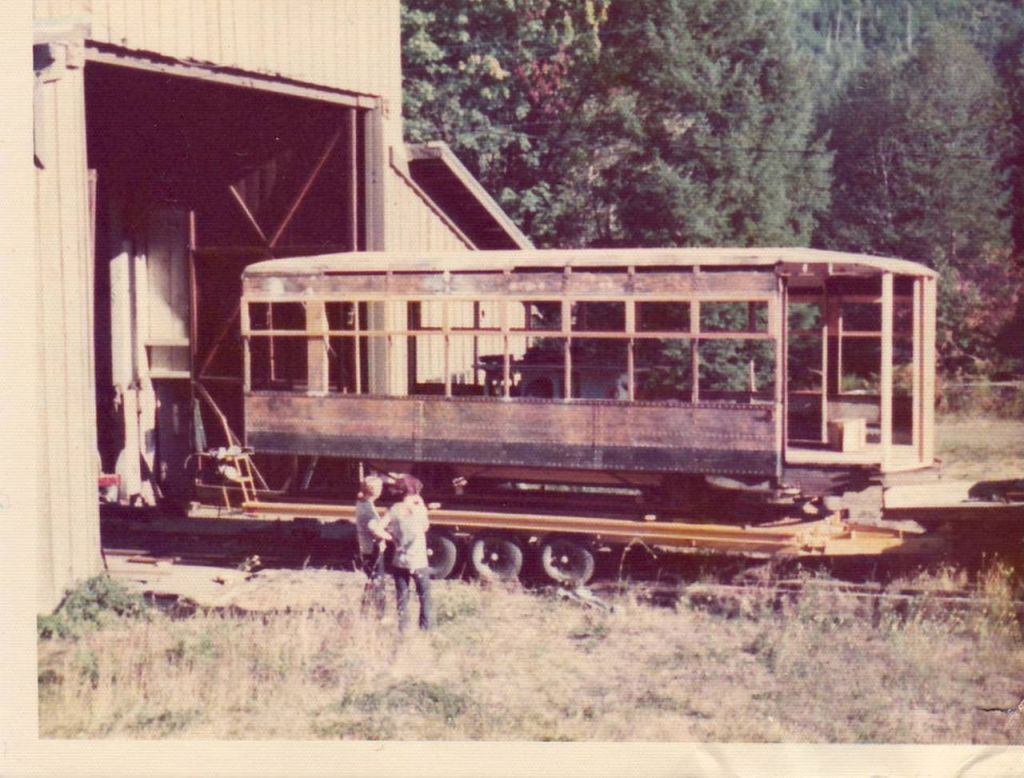
It cost $4,000 to renovate the first Trolley car. Photo from Oregonlive.com

Of course they talked about the original location in Portland, but the snippet I liked best was this:

“The original Old Spaghetti Factory trolley car was found in a field near Reed College in Portland, OR. We refurbished the car and began using it as a unique dining area for guests at our first location. The trolley car has since become a fixture in our locations across the U.S. When our flagship restaurant relocated to its current Portland location, the original car moved with us, of course.”

I cannot specifically recall my first visit to a Spaghetti Factory. All I do know is that it was sometime in the late 1970’s and it was at either the Seattle or Tacoma location.

In researching this article I did learn something which I thought was a bit sad. Neither of those two original locations still exists as OSF restaurants. It was the Seattle location, at the corner of Elliott Avenue and Clay, across from the waterfront, which became the family favorite.

Ah, to be 20 and able to eat as much as you want… from the Anniversary dinner with our kids in 2010.

When my kids were little and a special dinner out was being planned, Spaghetti Factory was often the requested destination. Birthday dinners were celebrated there. Heck, the hubby and I even had an anniversary dinner (with the kids!) there one year.

Once or twice we even sat in the coveted trolley car. But where we sat didn’t matter. The Seattle OSF reeked with ambiance no matter where in the building you were seated.

Due to the popularity of the restaurant, we developed a strategy: arrive as close to when they opened – 4 p.m. – as possible to avoid having to wait too long for a table. Another strategy was to have the driver – usually the hubby – drop us off at the front door. I would get our name on the list and manage the kids while he went in search of often hard to find parking.

The daughter checking out the infamous scale. 2010

But none of that mattered when the warm bread arrived at the table with the two different vats of butter: garlic and plain. By the time our son was around 10, he started ordering the extra large helping of spaghetti with browned butter and myzithra cheese. And would polish off every last morsel. When an older teen his sister’s half eaten spaghetti would usually find its way to his plate to finish.

Despite being full from all those carbs, however, when the spumoni ice cream arrived there would be negotiations as to who got the one with the largest amount of pistachio.

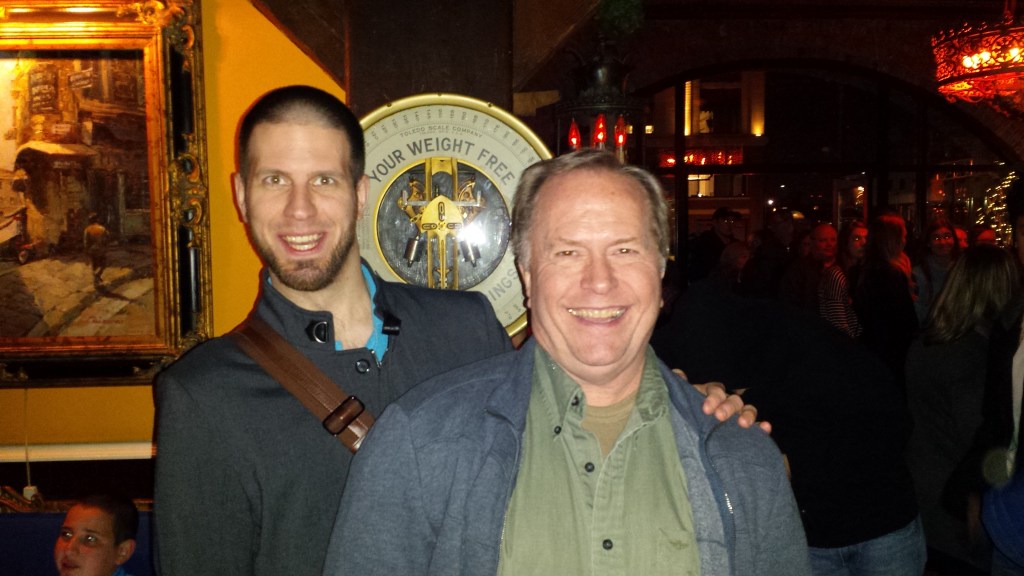
It was not unusual to record a couple of gained pounds on the old fashioned scale in the lobby.

The hubby and me December 21, 2016 – our last time at the OSF in downtown Seattle.
The guys were brave enough to step on the scale in 2016, but not me!

Then the unthinkable occurred in 2016: the Seattle OSF was closing its doors, the building and land (where the parking lot was located) had been sold and the new owners had a different vision for the valuable real estate.

The three of us – hubby, son, and me – hatched a plan to visit one last time. And, as always, we employed a strategy for best results: arrive by five, drop off the mom, go find parking. On December 21, 2016, our trio – along with hundreds of our closest friends – enjoyed one final dinner at the original Old Spaghetti Factory in Seattle. We ate too much bread and too much Spaghetti. We savored one final dish of spumoni ice cream. I refused to weigh myself instead opting to simply enjoy a favorite family tradition.

Yes, we’ve been to the Lynnwood, Washington location and, well, it just isn’t the same. But who knows, maybe the next time our son comes to visit we will make the trek ‘for old times’ sake and to create new memories. And also because he still loves, loves, loves, spaghetti with browned butter and myzithra cheese thanks to the Old Spaghetti Factory.

A few links:

https://en.wikipedia.org/wiki/The_Old_Spaghetti_Factory

https://www.osf.com/about/history/

https://www.oregonlive.com/life-and-culture/g66l-2019/01/f34b9efac39205/portlands-old-spaghetti-factory-turns-50-a-look-back-at-decades-of-delicious-memories.html

https://www.seattletimes.com/life/food-drink/saying-goodbye-to-seattles-old-spaghetti-factory/

Ancestor Hunting

Did I really marry my cousin?

July 19, 2022

Who am I? Where did I come from?

These two age old questions are ones which humans often start asking at a young age.

In the home where I grew up, I became aware – at about age 10 – of an old photo album. Inside the very heavy, olive green velvet book were fragile pages of black and white photos of people who, my mother told me, were my ancestors.

The first family photo album I ever saw. It was full of photos of my great grandmother’s family. Sadly, she did not label many photos so it was up to me to try and figure out who the people were.

It was an odd thought to think that these people – dressed in old fashioned clothes and hairstyles– were related; people of a different place and time.

Thus was born, for me, a lifelong interest in genealogy and a quest to answer those two questions: Who am I? Where did I come from?

When at college at the University of Puget Sound, I took a month long intense study class (the session was called Winterim) in January of 1979 where the focus was only genealogy. With that excellent professor to guide us, class participants traveled to the National Archives at Sand Point in Seattle and pored over microfiche census records, perused the available book collections at the Seattle Public Library, and learned to craft letters to governmental agencies for information. And, of course, got a master’s class as to how to research and document one’s genealogy.

At that time there was no way to access digital databases because they did not exist. All research took excessive amounts of time and travel, often with limited results, and meticulous hand written records.

Then, in 1996, two Provo, Utah, residents changed the world for genealogists everywhere. The Infallible Wikipedia tells us:

“Paul Brent Allen and Dan Taggart, two Brigham Young University graduates, founded Infobases and began offering Latter-day Saints (LDS) publications on floppy disks. In 1988, Allen had worked at Folio Corporation, founded by his brother Curt and his brother-in-law Brad Pelo.

The genealogy program my mother in law purchased.

Infobases’ first products were floppy disks and compact disks sold from the back seat of the founders’ car. In 1994, Infobases was named among Inc. magazine’s 500 fastest-growing companies. Their first offering on CD was the LDS Collectors Edition, released in April 1995, selling for $299.95, which was offered in an online version in August 1995. Ancestry officially went online with the launch of Ancestry.com in 1996.” (The Paul Allen named is not the same one who co-founded Microsoft)

Over the years, there have been numerous entertaining – at least to me – events which have occurred. Which is why this is likely to be a multi-week series of articles.

My mother-in-law spent decades researching her family lines and she, and my father in law, literally travelled in a Fifth wheel travel trailer for ten years all across the United States sightseeing and researching. She had purchased Allen and Taggart’s $300 product and used it daily.
Photo of my great grandmother Rosanna Bell King DeVore and her three sisters, about 1886, taken in Fairmont, Minnesota. The photo is in the album which I still have.

The topic of genealogy has always been one which she and I have enjoyed discussing, ad naseum. Her impressive collection easily involves 50 large notebooks filled with carefully researched documents found throughout the United States as well as many garnered from other researchers who had made the leap ‘across the pond’, so to speak.

One thing she has always been quite proud about is her connection to one family on the first sailing of the Mayflower and the many ancestors who settled in the northeast.

Back in 1996, when she was heavily into the research, I had discovered some of the early ‘on line data bases’ and would frequently go out to Rootsweb to see if any potential relatives had posted something new.

Although I cannot recall the specifics of the event, one day I happened upon a distant relative’s family tree and started clicking backwards. Doing this often provided names and dates for previously unknown ancestors, thus enabling me to expand my family tree.
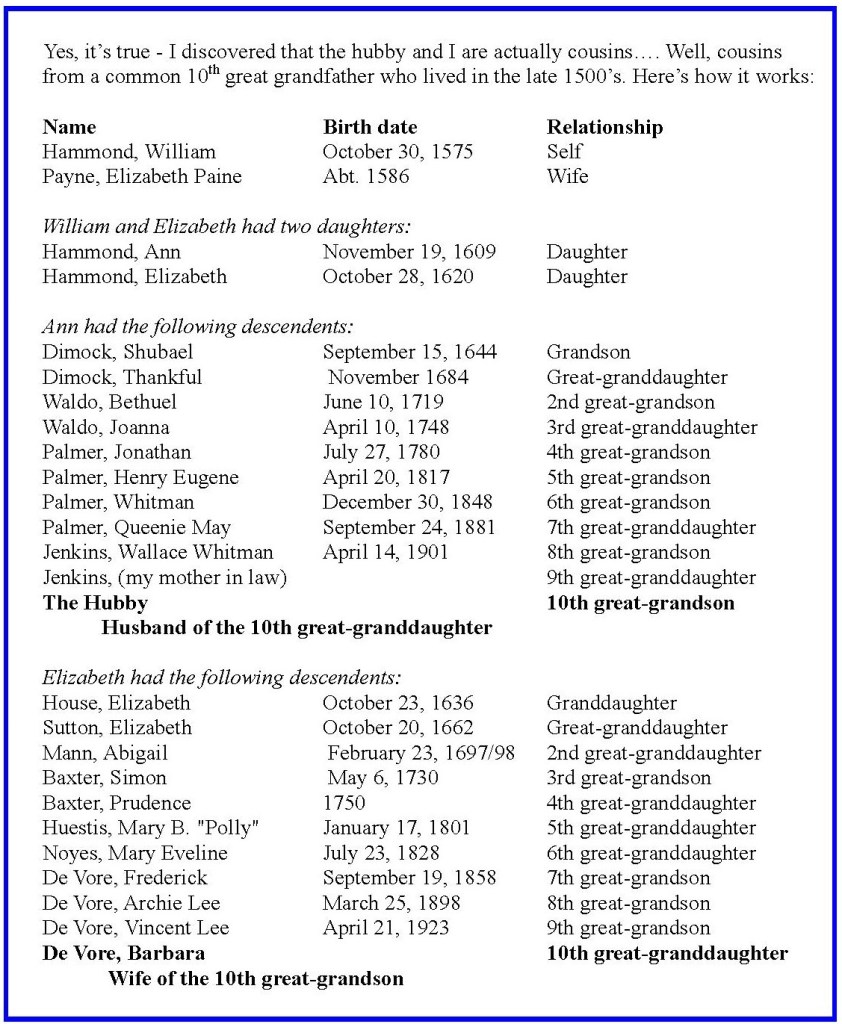
I was in my father’s line which had me back in Massachusetts. Not quite Mayflower connections, but darn close. It was a day when I ‘jumped the pond’ to England with my ancestor Elizabeth House… whose mother was one Elizabeth Hammond.

An ambitious King relative collected and compiled the family history back in the 1950’s. His work was essential to getting me started in my research.

Hammond? Where had I seen that name recently? Then it hit me. Hammond was one of the names from my mother-in-law’s family which I had seen earlier that day when discussing genealogy with her! Hmmm… I wondered.

As I had her paper ancestry trees on the desk next to me, I only had to turn a few pages and there was THE  connection. The one which proved that not only were my mother-in-law and I blood related but I had, in fact, married a cousin!

I think I let out a ‘whoop’ of some sort and then turned around to where my Mother-in-law happened to be sitting as she and my father-in-law were visiting, and announced that I’d found the holy grail of connections to prove, once and for all, that we were related.

Which meant, of course, that I had married my cousin (all legal since it was 10 generations back).

The chart I created in 1996 to document how the hubby and I were cousins

My poor daughter – only six that year – got the most confused look on her face when she learned that her Mom and Dad were related to each other which meant, and I quote, “Wait? How can I be related to myself?”

This caused all sorts of amusement for the family and I love to tell people that I’m married to my cousin if only to see the reaction I get.

As for my daughter’s question, the answer is that all of us are likely related to ourselves at some point. It kinda blows the mind, doesn’t it?

I must end, however, with the caveat all genealogists give. It is possible, that somewhere along the way there is an attribution for a person which will turn out to be wrong. Alas, none of us can go talk to the people involved to verify the information. All we can do is look for connections and, nowadays, to see if we have shared DNA to others claiming the same ancestors. But that IS a story for another week.

A link to https://www.ancestry.com/

https://en.wikipedia.org/wiki/Ancestry.com

Celebrating National Lava Lamp Day: A 1960s Icon

April 5th

Perhaps one of the most iconic images of the 1960’s, the Lava Lamp was patented on April 4, 1963. Two years later April 5th was declared as National Lava Lamp day.

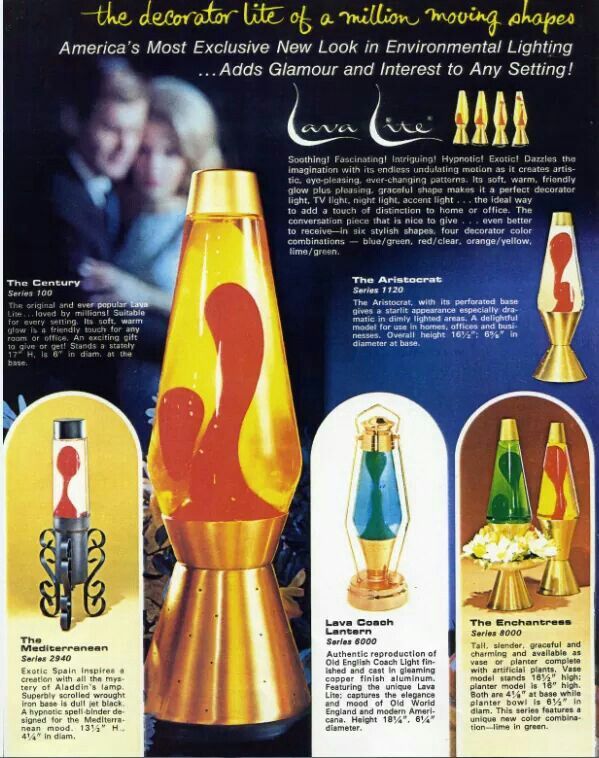
1960’s ad for lava lamps

Much beloved by baby boomer teens, the lamp – unlike plaid bell bottoms, Nehru jackets, and Twiggy’s haircut – has found new fans in subsequent generations.

The Lava Lamp got its beginnings in the early 1960’s. From the Infallible Wikipedia we learn:

“British entrepreneur Edward Craven Walker had the idea for the lava lamp in 1963 after watching a homemade egg timer, made from a cocktail shaker filled with liquids, as it bubbled on a stovetop in a pub. He hired British inventor David George Smith to develop the device and the chemical formula it required. Smith is credited as the inventor on the original U.S. Patent 3,387,396 for a ‘Display Device’ filed and assigned to Craven-Walker’s company in 1965, and subsequently issued in 1968. Craven Walker’s company, Crestworth, was based in Poole, Dorset, United Kingdom. He named the lamp ‘Astro’ and had variations such as the ‘Astro Mini’ and the ‘Astro Coach’ lantern.” 

For most of us, the details of who invented it are – likely – not of a great deal of interest. But my geeky side IS curious as to the technology behind the lamps. It turns out that it is the combination of two different materials that, when exposed to heat, cause the instantly recognizable function of the lava lamp.

Lava Lamp inventor

The material used to make the colored ‘lava’ originally consisted of mineral oil, paraffin wax, and carbon tetrachloride. This was suspended in water. The difference in how the wax/oil and the water heated is what caused the wax/oil to do what it does. Also from the Infallible Wikipedia:

“Common wax has a density much lower than that of water and would float on top at any temperature. However, carbon tetrachloride is denser than water (also nonflammable and miscible with wax) and is added to the wax to make its density at room temperature slightly higher than that of the water. When heated, the wax mixture becomes less dense than the water, because it expands more than water when both are heated. It also becomes fluid, causing blobs of it to ascend to the top of the lamp. There, they cool, increasing their density relative to that of the water, and descend.  A metallic wire coil in the bottle’s base breaks the cooled blobs’ surface tension, allowing them to recombine.”

Over the years, the wax ingredients have been replaced since one of the early ingredients proved to have toxicity which caused challenges if the glass jar was broken. 

But enough of the geeky details. For those who wish to learn more there is a link below.

I cannot recall the first time I saw a lava lamp. But I do know when I first lived in a place with one. When I moved into the hubby’s apartment after our marriage I became the defacto half owner of a lava lamp. Now, in a custody battle for the lamp I would have, no doubt, lost, since he owned it before we got married. Thankfully that custody battle has been avoided!

But over the years, the lava lamp has gone from being on display in our living room to being in our bedroom to living on a shelf in my office. But that was only until our eldest child discovered the lamp and it soon took up residence in his room. And then another one arrived to live in his room.

Here was this kid, born in the 1990’s, totally enthralled with a throwback product of the 60’s. The lava lamps moved with him to Tennessee, California, and then back to Washington state. He lived for several years in Seattle but then moved out of the city in the fall of 2019. And the lava lamps arrived back in our house. Granted they were in his room, but that meant I could visit them pretty much anytime I wanted.

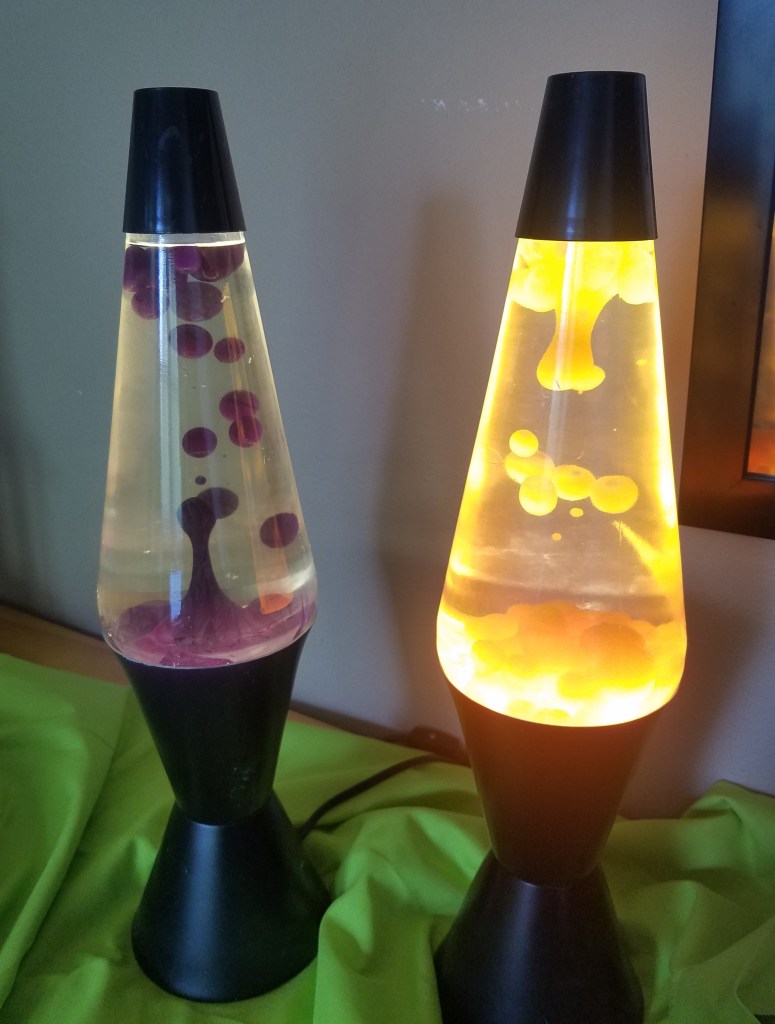
Our two lava lamps in phase 1

Like me, I think my son was mesmerized by the various phases the lava light goes through when it’s turned on.

Phase 1: the blob sits at the bottom of the lamp, glowing red, blue, yellow (the most common blob colors) for a time.

Phase 2: a tiny little tendril will erupt from the blob and snake its way upward like a plant sprout in springtime, only much faster. 

Late phase 2/early phase 3

Phase 3: more tendrils erupt and then, suddenly, the entire blob seems to explode like a cumulus nimbus cloud in spring, billowing up and out, filling the lamp.

Tiny lava blobs dance in the lamp/phase 5

Phase 4: the heat of the water approaches boiling and the wax mixture starts to form the ‘blobs’ for which the lava lamp got its name.

Phase 5: the numerous and various sized blobs, slowly at first, engage in a mesmerizing dance bouncing off one another, moving around through the lighted water lamp.

Phase 6: the blobs combine with one another, the large absorbing the smaller, until all that’s left is one huge blob. This phase continues until the lamp is turned off and the blob then settles in the base of the jar to cool down.

Phase 6 – large blobs

Each of these phases is interesting in its own way. My favorite, by far, is phase three. In fact, if given the chance, I will wait until the billowing wax looks like clouds… and turn the lamp off. 

My son, as far as I can tell, loves the lava lamp when it’s in phase 5, the multi-blob state. During the time he was living with us and the two lamps resided in his room, I would often go in to visit with him and the lava lamps would be illuminated.

Two years ago he took off for Mexico and, subsequently, decided to move there. Because of the logistics of getting household goods into Mexico was a challenge, the lava lamps had to be left behind. 

I decided to relocate one of the Lava Lamps. Sometimes on dark winter mornings when I am up before sunrise, I will turn on the red lava lamp which now resides on an entryway table across from where I will take up residence to play my daily Wordle and other games. I tend to turn it off after the tendrils, phase 2 and part of phase 3, as that is MY favorite.

https://en.wikipedia.org/wiki/Lava_lamp