Groundbreaking book by Charlotte Bronte
August 24, 2021
It was on August 24, 1847, when Charlotte Brontë finished her manuscript Jane Eyre. Less than two months later, the novel was published.
For those writers, like myself, who aspire to having our works in print, the pace with which she saw success and the subsequent praise for her novel, inspires.
Victorian England serves as the backdrop for Jane Eyre. From page one the reader sees a harsh world where one’s circumstances dictate where life will take them. The first person protagonist, orphan Jane, learns these lessons early due to poor treatment at the hands of her cousins and aunt. She is sent off to a boarding school where additional cruel handling awaits her; it’s a central tenet of the novel.
The book was considered groundbreaking as to its style and themes. Unlike most literature of the day, Jane Eyre delves into the deeper thoughts of the heroine. The Infallible Wikipedia tells us:
“The novel revolutionised prose fiction by being the first to focus on its protagonist’s moral and spiritual development through an intimate first-person narrative, where actions and events are coloured by a psychological intensity. Charlotte Brontë has been called the ‘first historian of the private consciousness,’ and the literary ancestor of writers like Proust and Joyce.
The book contains elements of social criticism with a strong sense of Christian morality at its core, and it is considered by many to be ahead of its time because of Jane’s individualistic character and how the novel approaches the topics of class, sexuality, religion, and feminism. It, along with Jane Austen’s Pride and Prejudice, is one of the most famous romance novels of all time.”
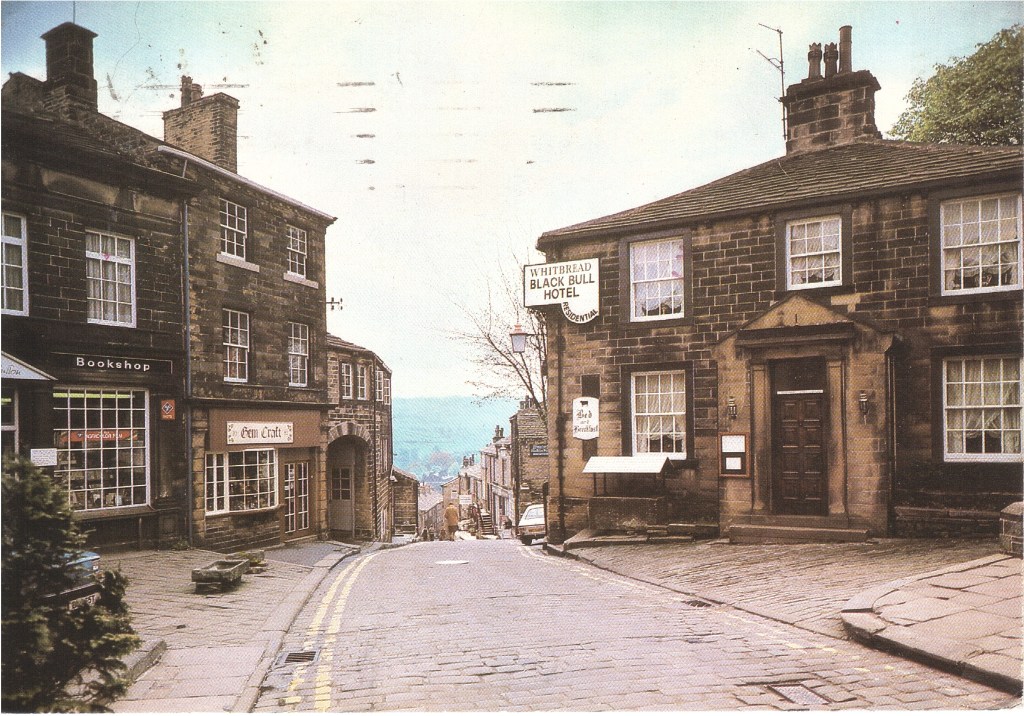
Jane Eyre – along with Wuthering Heights by Charlotte’s sister Emily Brontë, – was among a handful of novels which inspired my interest in the romance genre. At the time I first read the books, I did not truly understand how these two sisters had to overcome societal gender prejudices to live a very non-traditional life. Jane Eyre was initially published under the pen name of Currer Bell to provide legitimacy to the novel since female writers were unheard of at that time.
Also from the Infallible Wikipedia:
“Brontë’s first manuscript, ‘The Professor’, did not secure a publisher, although she was heartened by an encouraging response from Smith, Elder & Co. of Cornhill, who expressed an interest in any longer works Currer Bell might wish to send. Brontë responded by finishing and sending a second manuscript in August 1847. Six weeks later, Jane Eyre was published. It tells the story of a plain governess, Jane, who, after difficulties in her early life, falls in love with her employer, Mr Rochester. They marry, but only after Rochester’s insane first wife, of whom Jane initially has no knowledge, dies in a dramatic house fire. The book’s style was innovative, combining Romanticism, naturalism with gothic melodrama, and broke new ground in being written from an intensely evoked first-person female perspective. Brontë believed art was most convincing when based on personal experience; in Jane Eyre she transformed the experience into a novel with universal appeal.
Jane Eyre had immediate commercial success and initially received favourable reviews. G. H. Lewes wrote that it was ‘an utterance from the depths of a struggling, suffering, much-enduring spirit’, and declared that it consisted of ‘suspiria de profundis! (sighs from the depths). Speculation about the identity and gender of the mysterious Currer Bell heightened with the publication of Wuthering Heights by Ellis Bell (Emily) and Agnes Grey by Acton Bell (Anne). Accompanying the speculation was a change in the critical reaction to Brontë’s work, as accusations were made that the writing was ‘coarse’, a judgement more readily made once it was suspected that Currer Bell was a woman. However, sales of Jane Eyre continued to be strong and may even have increased as a result of the novel developing a reputation as an ‘improper’ book.”
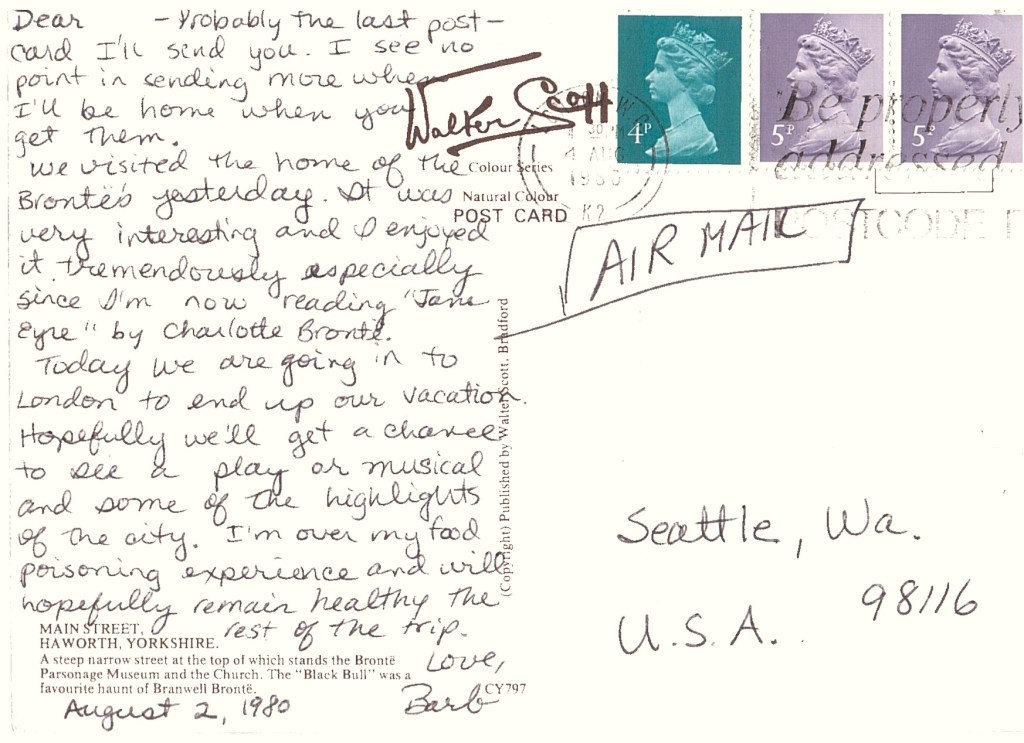
In the summer of 1980, while on a trip to Europe with my parents and sisters, we stopped into a bookstore in a town a bit south of London. My mother, particularly, was a huge fan of Victorian and Edwardian novels and loved nothing better than time spent perusing the stacks in a library or bookstore.
It was there, this particular July day, where I found a used copy of Jane Eyre. What a great choice of a book to read while touring the English countryside.
Soon I was lost in its pages, absorbed by Jane’s story. And soon my father – behind the wheel of the car we had rented – began chastising me for having my nose in a book rather than looking out the window.
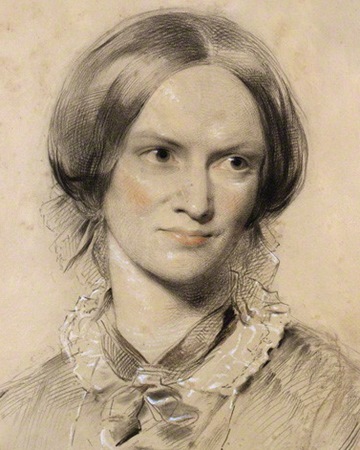
For me, reading the book while traveling in Bronte’s homeland was the ultimate experience. One can only imagine what a place might look like unless they have been in that location. By the time we visited Haworth, Yorkshire, I knew what a moor looked and smelled like. I could see Jane struggling across them, sleeping among the crags, enduring the rain. I could envision the town, the church, and the geography.
To glance up from the pages and then out the window of the car stimulated my imagination in ways which induced the images to remain long after my return home.
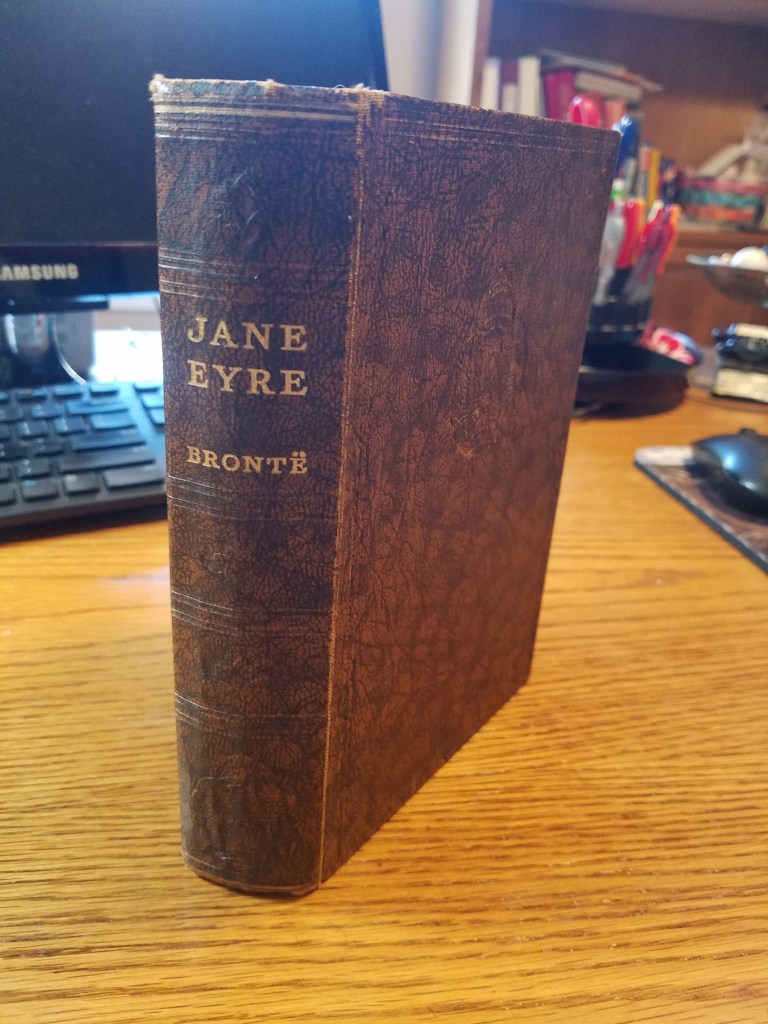
I often see the book on the shelf in my office, a reminder of that trip so many years prior. Bound in a mottled brown and black leather, the volume at the time seemed contemporary to Bronte’s own life.
When I showed the book to my son our curiosity emerged as to the date of the printing. The only hint was ‘Printed and Bound in Great Britain by Greycaine Limited, Watford, Herts.’ A Google search revealed that the book was likely produced sometime between 1927 and 1936. Even so, its cover, pages, and typestyle bespeaks of a different era.
I’m certain for Charlotte Bronte her fiction was borne of personal experience as to how the world was in her time. As a contemporary fiction writer, my own prose is reflective of my own time. Perhaps some future reader will be able to glimpse, if only for a short time, what the world of today looked like.
The links:
https://en.wikipedia.org/wiki/Jane_Eyre
https://en.wikipedia.org/wiki/Charlotte_Bront%C3%AB
From the Facebook post: Emily – Wuthering Heights; Charlotte – Jane Eyre; Anne – Agnes Grey.
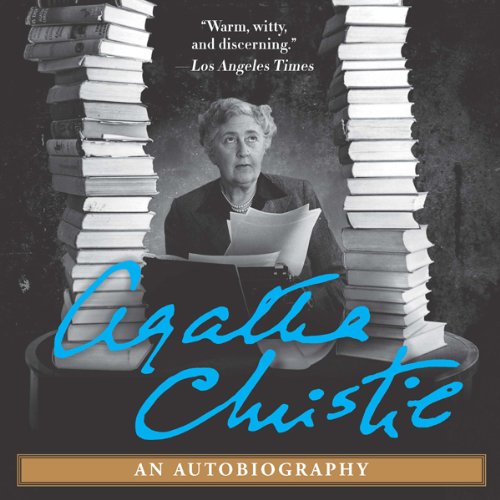






 Shakespeare, perhaps more than any person who has ever lived, was the most prolific of authors. He published 37 plays and 154 sonnets and today, 503 years after his death, his plays are still being performed and his written works analyzed and contemplated. Talk about staying power!
 I would add to the ‘book’ as new adventures occurred, writing them down over the weekend, then bringing the updated story to school for the ‘real’ Deborah and Cynthia to read. In time some of the ‘boys’ and other peripheral characters – perhaps recognizing themselves in the story – also started to read the book. It was passed around like an annual at graduation for everyone to peruse.

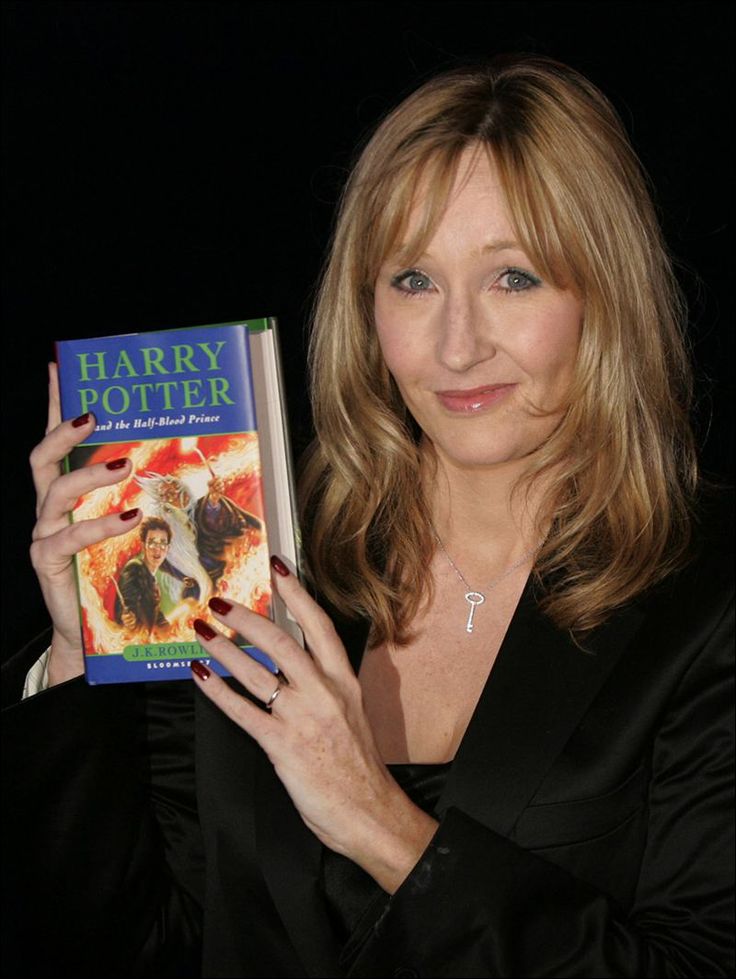 “Born in Yate, Gloucestershire, England, Rowling was working as a researcher and bilingual secretary for Amnesty International when she conceived the idea for the Harry Potter series while on a delayed train from Manchester to London in 1990. (snip)
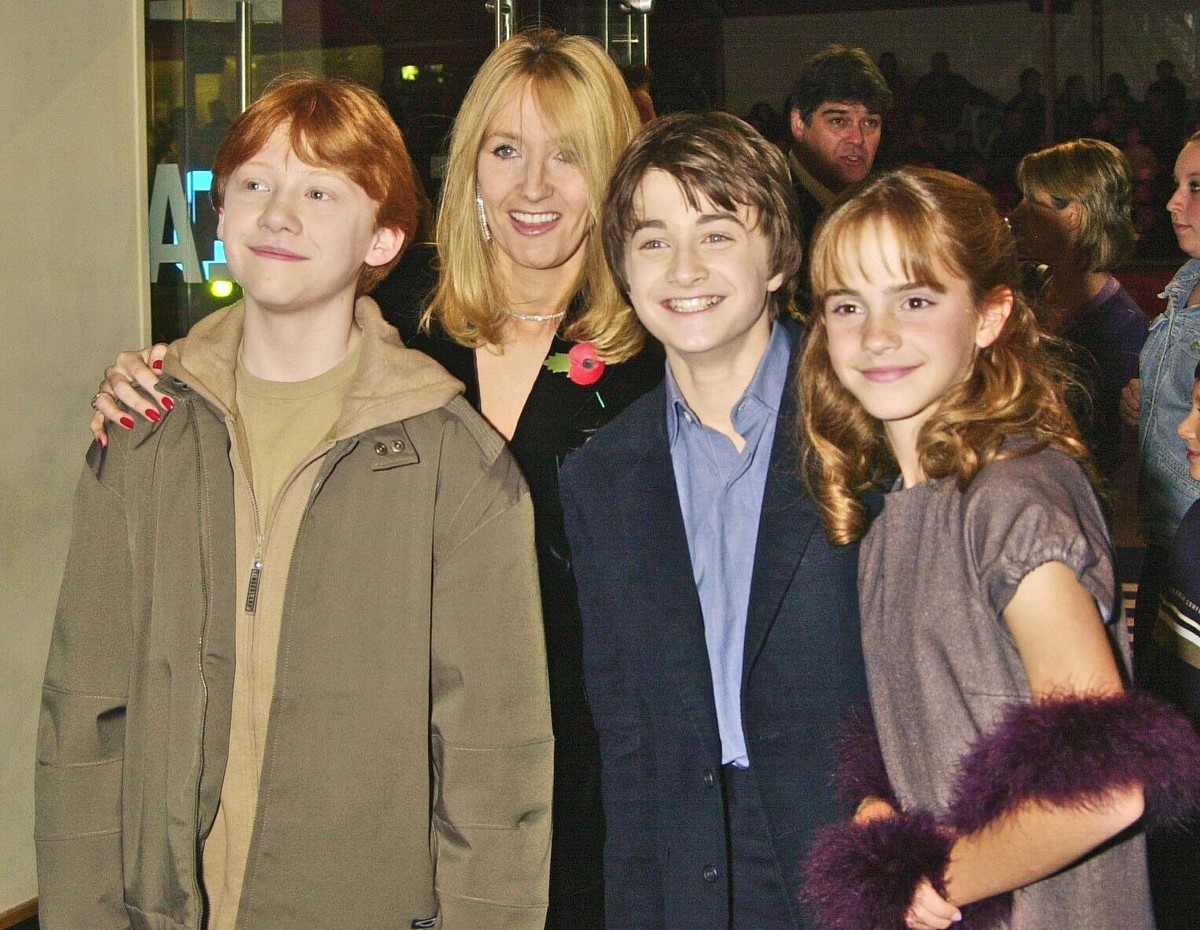 In June 1997, Bloomsbury published Philosopher’s Stone with an initial print run of 1,000 copies, 500 of which were distributed to libraries. Today, such copies are valued between £16,000 ($21,000 US) and £25,000 ($32,000 US). Five months later, the book won its first award, a Nestlé Smarties Book Prize. In February, the novel won the British Book Award for Children’s Book of the Year, and later, the Children’s Book Award. In early 1998, an auction was held in the United States for the rights to publish the novel, and was won by Scholastic Inc., for US $105,000. Rowling said that she ‘nearly died’ when she heard the news. In October 1998, Scholastic published Philosopher’s Stone in the US under the title of Harry Potter and the Sorcerer’s Stone, a change Rowling says she now regrets and would have fought if she had been in a better position at the time.”
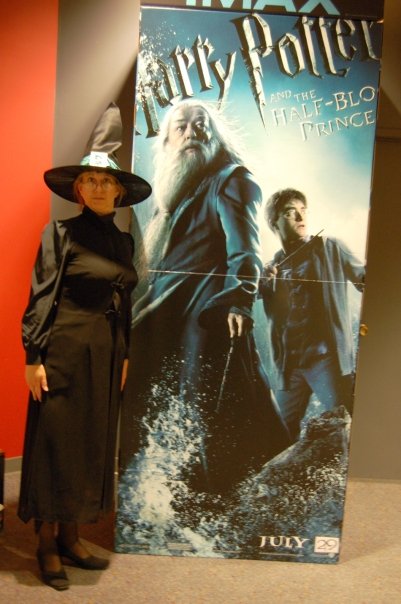 Of course adding movies to the mix only served to enhance the experience. I think the high water mark for me was when, in 2009, Harry Potter and the Half Blood Prince came to the IMAX. I was working with the Rainbow Girls then and we took a group to see the movie. Imagine the girls’ surprise when I arrive for the event dressed up… just like the character Professor McGonagall. I made quite the stir when I walked into the theatre and one patron yelled at me from up above “Good to see you McGonagall!” Guess my costume worked.
 uly 3. His nationally syndicated column ran from 1983 to 2005. Additionally, he’s written numerous books which highlight some of the more ridiculous aspects of modern American life.
 In the course of incubating my own small human I had time to read the book. There was lots of humorous stuff between the pages and I laughed at much of it. At the time I thought he was exaggerating. It wasn’t until AFTER my son was born that I came to appreciate the truth in his whimsical look at parenthood and maybe, just maybe, he WASN’T making it up.
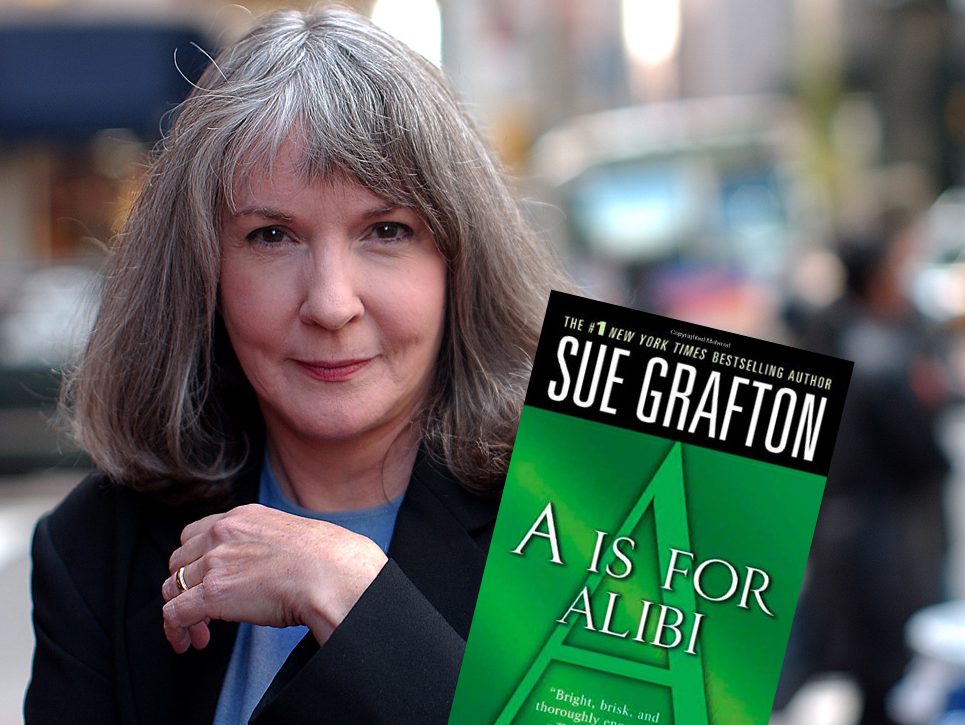 Sadly, she died December 28, 2017 and, according to her daughter, the final book will never be completed and the series ends with Y is for Yesterday.
 The Alphabet Mystery series begins in 1982 with A is for Alibi. Also from Wikipedia:
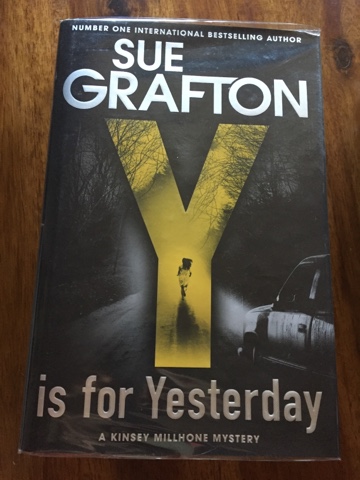 Writer’s write and, despite the lack of a publisher, it’s what we are compelled to do. Sue Grafton was also compelled to write so a toast to her memory on her birthday and the gift Dishe left behind with those 25 alphabet books.
 It took the author only six weeks to complete the novella which was published on December 19, 1843. All 6,000 of the original copies sold out in less than six days and the book, arguably, is one of the most famous literary works in history.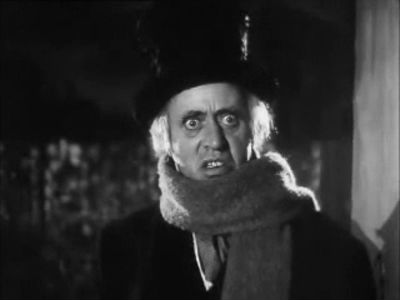

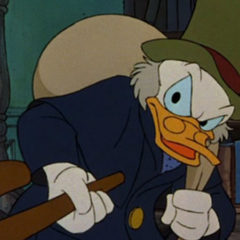
 So, instead of a rehash, today’s topic involves one of my favorite authors. Born October 31, 1920, he wrote more than 40 novels in his lifetime. He did not begin his novel writing career until he was 40 years old. All of his books centered around the world of horseracing. That author: Dick Francis.
 My favorite book of his is titled “Straight” and tells the story of a man who inherits his brother’s life when the latter dies in a freak accident. Francis was one of my mother’s favorite authors also. So beloved, in fact, that she collected all of his books which, perhaps, I will inherit one day.
 to get through the event. The store manager brought him one glassful while I was there.
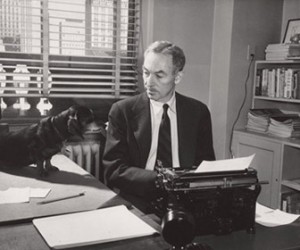 It is rare to find a writer whose impact on both children and adults is so pronounced but E.B. White – who was born on July 11, 1899 – was such a writer.
 The book is one of the most widely read books by elementary aged children. Somewhere in a dusty box in my parent’s basement is a copy of this wonderful book. A book which I read over and over again, falling in love with a pig named Wilbur and his friend, the spider Charlotte.
 barbaradevore.com