Everyone’s sung it at least once!
March 4
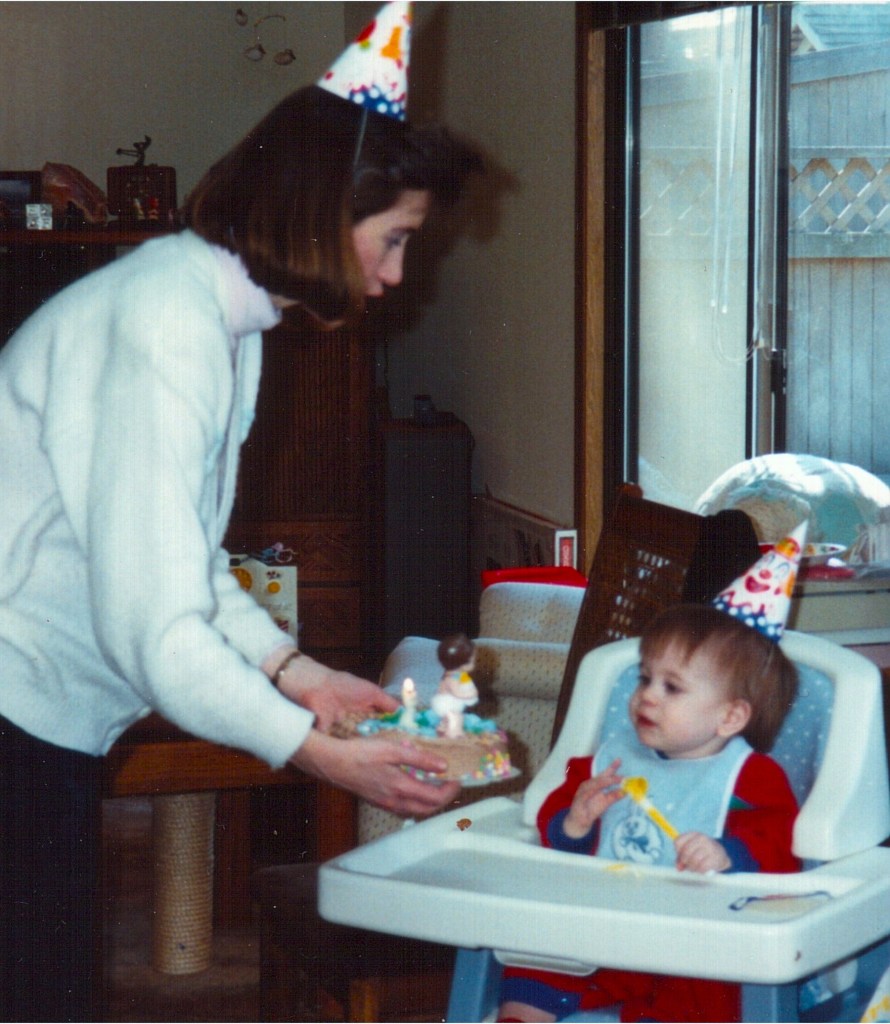
This song, arguably the most popular one ever written, never reached number one the Billboard Hot 100 and was never nominated for a Grammy Award. In fact, no one is 100 percent certain as to the origin of the tune or the lyrics. Yet today pretty much every American aged 5 and over has sung it many, many times and it remains a cultural icon.
The song? “Happy Birthday To You.”
It was on March 4, 1924, when the song was published in a songbook by Claydon Sunny (Clayton F. Summy Publications) at the behest of Jessica Hill, the younger sister of kindergarten teachers Patty and Mildred Hill.
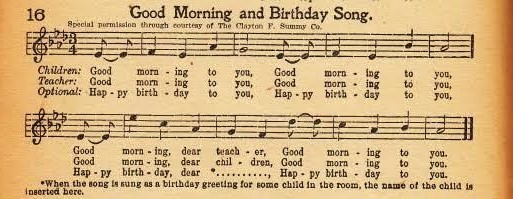
The song has its origins in the late 1800’s when the two sisters composed an easy to learn song for their classroom titled “Good Morning To You.” It is speculated that the sisters put the song together based on several other children’s song melodies, popular at the time.
The lyrics were thus: “Good morning to you, good morning to you, good morning, dear children, good morning to all.”
So far, so good as it was just a couple of Louisville, Kentucky, kindergarten teachers using a cheery song to greet young children each day.
In 1893 the sisters, with their pioneering ideas on early childhood education, published the song in a book titled “Song Stories For Kindergarten.” No one can say for sure ‘when’ the birthday lyrics were substituted but there is evidence that they were first published in 1912. It was, however, Claydon Sunny’s publication which set the song up for copyright challenges which persisted for decades.
As you might expect, the Infallible Wikipedia fills in the details:
“The Summy Company registered a copyright in 1935, crediting authors Preston Ware Orem and Mrs. R. R. Forman. In 1988, Warner/Chappell Music purchased the company owning the copyright for US$25 million, with the value of ‘Happy Birthday’ estimated at US$5 million. Warner claimed that the United States copyright would not expire until 2030 and that unauthorized public performances of the song were illegal unless royalties were paid. In February 2010, the royalty for a single use was US$700. By one estimate, the song is the highest-earning single song in history. In the European Union, the copyright for the song expired on January 1, 2017.
The American copyright status of ‘Happy Birthday to You’ began to draw more attention with the passage of the Copyright Term Extension Act in 1998. The Supreme Court upheld the Act in Eldred v. Ashcroft in 2003, and Associate Justice Stephen Breyer specifically mentioned ‘Happy Birthday to You’ in his dissenting opinion. American law professor Robert Brauneis extensively researched the song and concluded in 2010 ‘it is almost certainly no longer under copyright.’ Good Morning to You Productions sued Warner/Chappell for falsely claiming copyright to the song in 2013. In September 2015, a federal judge declared that the Warner/Chappell copyright claim was invalid, ruling that the copyright registration applied only to a specific piano arrangement of the song and not to its lyrics and melody. In 2016, Warner/Chappell settled for $14 million, and the court declared that ‘Happy Birthday to You’ was in the public domain.”
Like pretty much everyone reading this, I cannot recall a time when I did NOT know this song. When my family inherited my grandmother’s piano – I was 7 or 8 – and I first sat down to experiment, this was likely the first tune I was able to pick out with the keys.
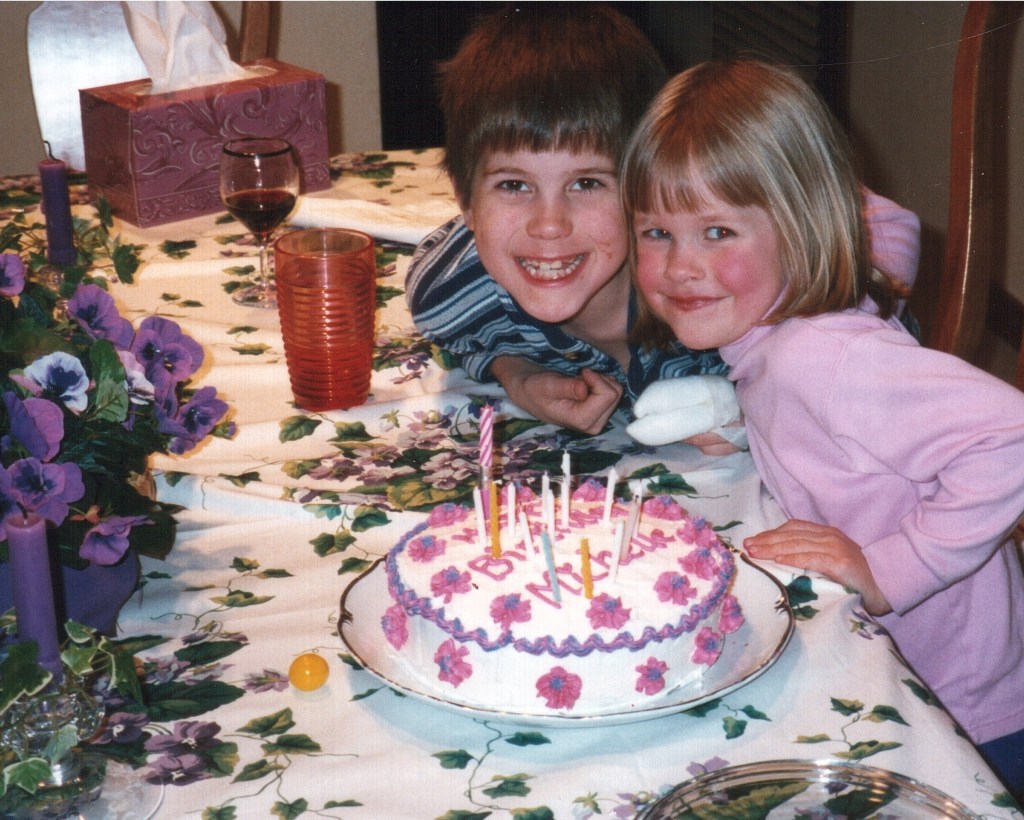
Some of my earliest memories are of my mother bringing out a birthday cake for one of her four children, candles ablaze, and her leading everyone in singing ‘Happy Birthday To You.” She would enter the dining room from the kitchen, bearing her signature chocolate cake covered in white frosting, with “Happy Birthday” written in either blue or green icing. This was followed by the birthday child blowing out the candles and making a secret wish.
The now 101-year long tradition (or longer) of singing happy birthday has been carried on for generations and, as soon as its discovered that it’s someone’s special day, a group of people will nearly always sing the song.

As I was researching for this article, I wandered off into the weeds, perusing various YouTube videos of people singing/playing ‘Happy Birthday.’ And then I saw it. A nine-minute video of pianist Victor Borge having fun with the song in the style of about 10 different classic composers. The link:
https://www.youtube.com/embed/hkkHz8xq7lE?si=UBogXMHjmkPc4qZk
This was familiar, I thought. And then I recalled I had experienced Victor Borge perform at the Capitol Theatre in Yakima when I was a teenager. Sure enough, on March 31, 1973 – together with my parents and my sister – we attended his concert. According to what I wrote in my diary “It was a very good show. I enjoyed it.” Not exactly an expansive review but I was 15 and, perhaps, did not appreciate that moment in time. To this day, however, I can see him on that stage, regaling the audience with his comedic take on classical music. I am positive he performed ‘Happy Birthday’ similarly to what is shown in the attached video. Enjoy!

Yet, when I think about “Happy Birthday To You” I am amazed at the cultural reach of such a simple tune and lyrics with humble beginnings.
So, there you have it. No more copyright infringements or companies claiming the song belongs to them. You are free to sing “Happy Birthday to You” anywhere and everywhere without having to worry about paying royalties or getting sued. Ultimately, the song has returned to its roots, as a simple and positive way to give glad tidings and, perhaps, brighten someone’ day if only for a few minutes. Just the way I imagine Patty and Mildred Hill would have wanted it.
A few links:
https://en.wikipedia.org/wiki/Happy_Birthday_to_You
https://en.wikipedia.org/wiki/Victor_Borge
https://en.wikipedia.org/wiki/Capitol_Theatre_(Yakima,_Washington)




 barbaradevore.com