Is Utopia possible?
September 26, 2023
A Tuesday Newsday Classic Updated
It was the stuff of science fiction when, on September 26, 1991, four women and four men entered the project known as Biosphere II.
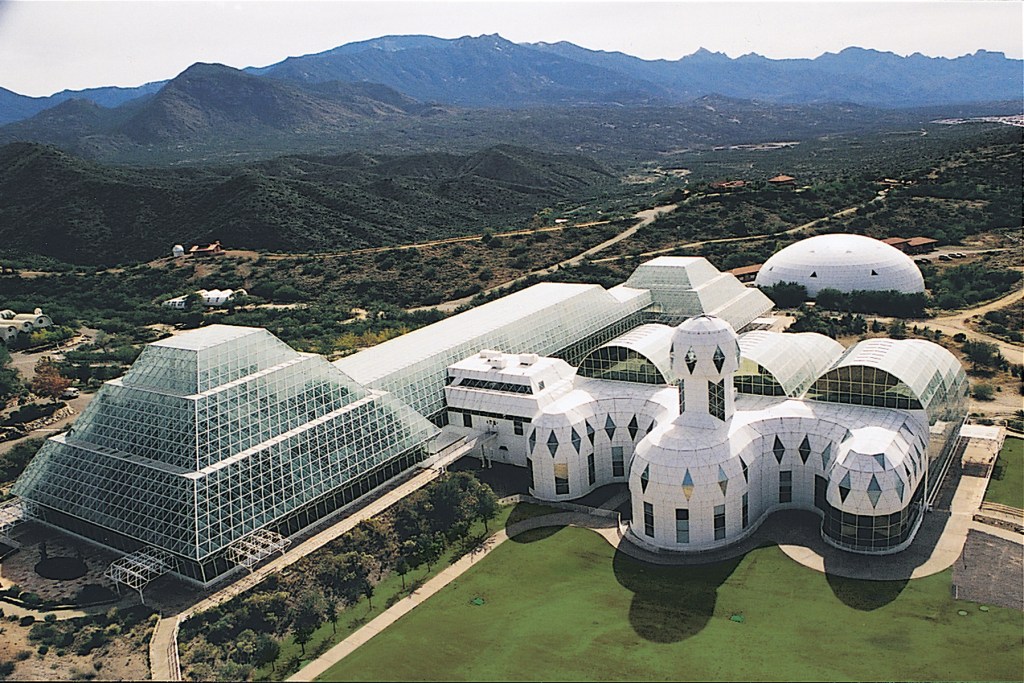
Located in the Arizona desert forty-one miles northeast of Tucson, the facility was developed in hopes of learning how colonization on other planets might work. The idea was that these eight scientists would live within the biosphere complex for two years, would grow their own food, and manage all aspects of their world without help or interference from outside sources.
Inside Biosphere II were five distinct ecosystems. From the Infallible Wikipedia:
“Its five biome areas were a 1,900 square meter rainforest, an 850 square meter ocean with a coral reef, a 450 square meter mangrove wetlands, a 1,300 square meter savannah grassland, a 1,400 square meter fog desert, a 2,500 square meter agricultural system, a human habitat, and a below-ground infrastructure. Heating and cooling water circulated through independent piping systems and passive solar input through the glass space frame panels covering most of the facility, and electrical power was supplied into Biosphere 2 from an onsite natural gas energy center.”
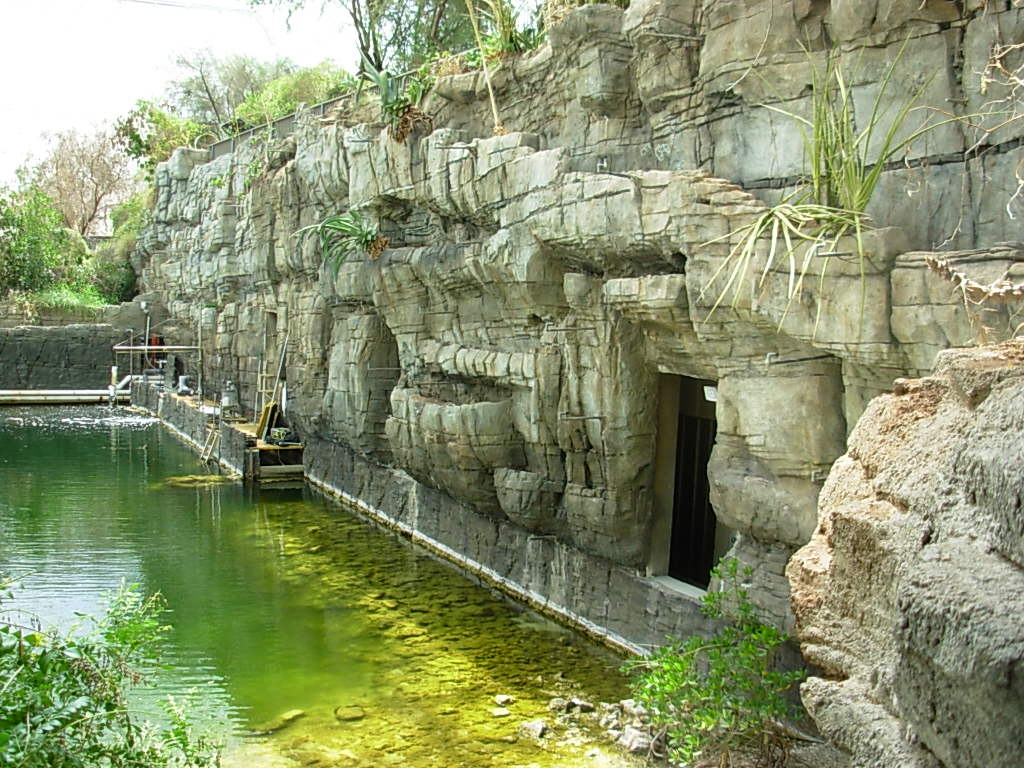
For those of us not trained in meters, I did the approximate calculations. Rainforest= 6,000 square feet. Ocean=2,800 square feet. Mangrove=1476 square feet. Savannah = 4300 square feet. Fog Dessert=4600 square feet. Agricultural =8200 square feet. That adds up to 27,376 square feet or over five square miles.
As one can imagine, the project was beset with problems including not enough oxygen, dietary issues and – when one of the biospherians became ill and was removed from the project for a time – if outside intervention was justified. When the first experiment ended two years later, on September 26, 1993, plans were already underway for another set of scientists to participate in a second project:
“Biosphere 2 was only used twice for its original intended purposes as a closed-system experiment: once from 1991 to 1993, and the second time from March to September 1994. Both attempts, though heavily publicized, ran into problems including low amounts of food and oxygen, die-offs of many animals and plants included in the experiment, squabbling among the resident scientists, and management issues.”
Personally, I find it difficult to envision what it would be like to exist for two years in only five square miles and with the same 7 people as your daily companions. Kind of like the reality TV show Survivor but longer and you can’t get rid of annoying people. From a writer’s perspective, however, I think this is a fascinating premise for a science fiction book (with romantic elements perhaps?). Has someone researched and written such a book? I wondered. Indeed they have. The Terranauts, by TC Boyle, was published in October 2016 (hardback) with the paperback version was released on October 3 2017. The critics on Goodreads have not been kind: https://www.goodreads.com/book/show/28925208-the-terranauts.
Update 2023:

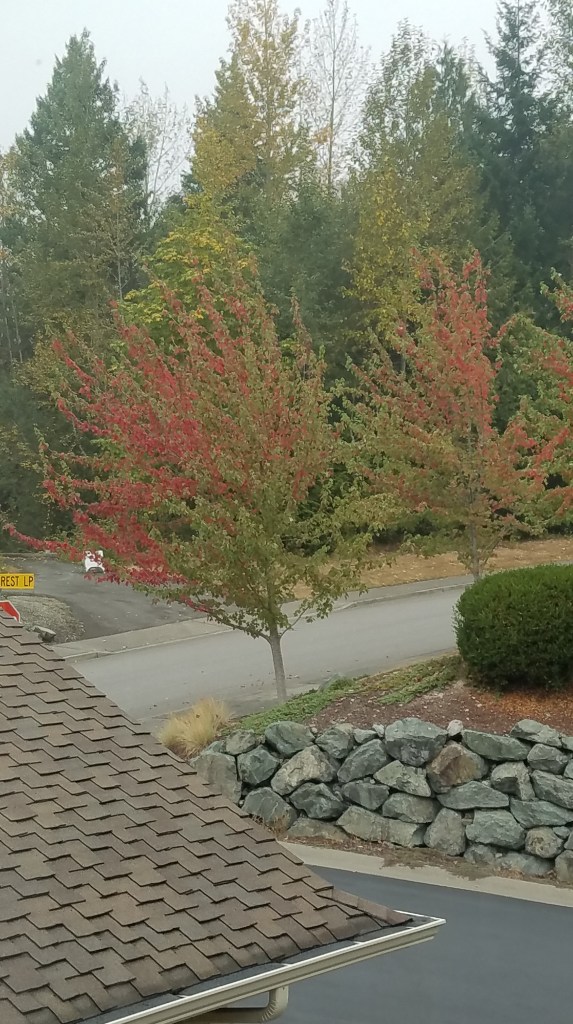

I considered writing about a completely new topic this week but somehow my musings seem to dovetail with Biosphere II. For those who have been following my blog for awhile you likely know that I am not a fan of autumn. I suspect I suffer from at least a little Seasonal Affected Disorder (SAD) and I struggle this time of year with the reduced hours of daylight and the drops in temperature.


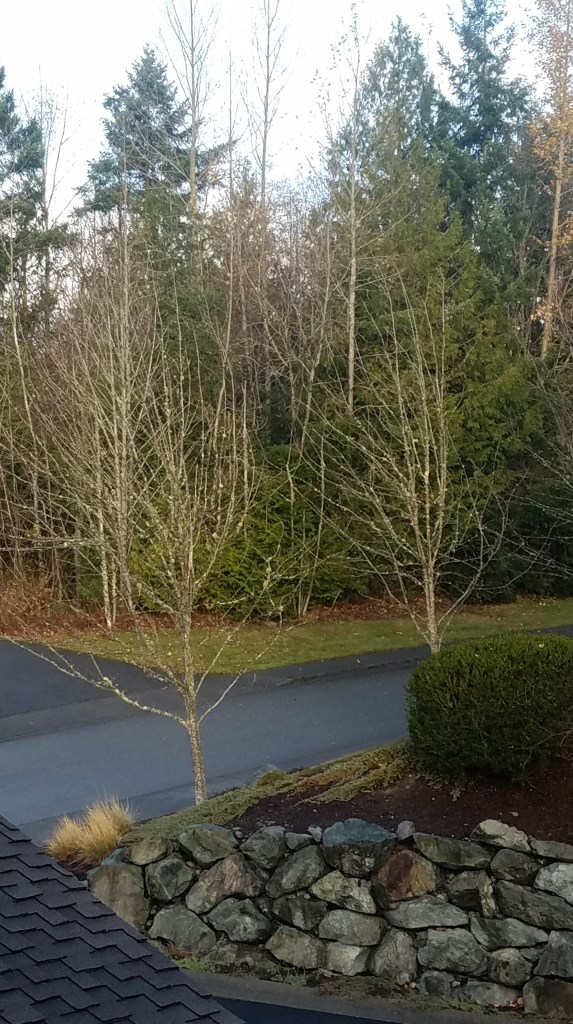
Living where I do, just north of the 48th parallel, I am acutely aware of the changing of the seasons. As I am writing this the wind is blowing and it has been threatening rain with another front moving in this afternoon. In other words, a prototypical fall day. While most of the leaves have not yet turned color or started to make their exit from the tree branches, I know the day is coming. I miss summer already.
But I wonder if I were to live in a controlled environment like Biosphere 2, would I like that? What if the seasons never changed? What if every day the weather was exactly like the day before and tomorrow would be the same as today?

When visiting a high school friend in Fairbanks, Alaska, in March 2017, I considered what it would be like to live there. The world was white with snow and ice and had been since October. In fact, the earliest snowfall ever in Fairbanks was August 29, 1922, and the typical date of the first measurable snow is tomorrow, September 27th. And did I mention that they get about 65 inches of the white stuff each year? While I was there I discovered that I could not go outside without wrapping a scarf around my face as it was physically painful to have my skin exposed to the cold. It was the coldest I had ever been in my life. I came away from that trip in awe of her ability to live and thrive in Fairbanks. I am not, I concluded, sturdy enough for that climate.
So, over the next several weeks I will come to terms with reality: summer in the Pacific Northwest is over and it is time once again for turtlenecks, sweaters, and jackets. And in spite of my whining about the shorter days with less sunlight and the inclement weather, I do think it’s better than living in a controlled environment day after day.
And that’s the great thing about Biosphere I – also known as ‘Earth’. It’s always changing and visually interesting and a grand place to live. Biosphere II or III or V or X will never be able to equal the original.
The tree progression photos were taken from my office window on the following dates: September 9, 16, 30, October 19, 29, and November 19, 2020
 barbaradevore.com